Luanda Hosts “Research for Life” Conference to Advance Evidence-Based Health Policy in Angola
The city of Luanda has hosted the “Research for Life” conference, a three-day national gathering aimed at reinforcing the role of scientific research in shaping public policy and improving health outcomes across Angola.
Held from 28 to 30 April, the conference brought together government representatives, academic institutions, research centres, and international partners under the coordination of Research4Life, with support from the Private University of Angola (UPRA), Katyavala Bwila University, and the World Health Organization (WHO).
The event focused on strengthening collaboration between science and policy-making, particularly in the health sector, as Angola continues to prioritise evidence-based approaches to national development.
Speaking during the opening session, Dr Tomaz Valdez, WHO Health Policy and Systems Coordinator in Angola, stressed the importance of scientific evidence in improving health systems.
He said health is a fundamental human right that requires “decisions based on science, equity, and the effective use of knowledge” to ensure sustainable outcomes.
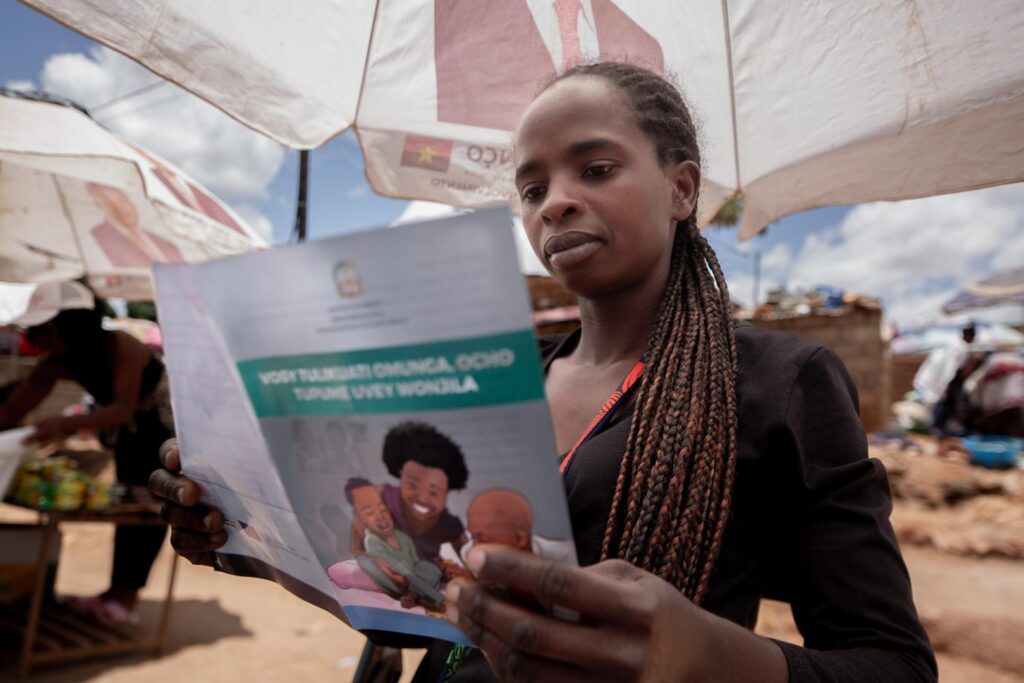
A key theme of the conference was improving access to scientific information through Research4Life, a global initiative that provides researchers, students and academics in low- and middle-income countries with free or low-cost access to peer-reviewed journals, books and databases. The programme is designed to reduce knowledge inequality and strengthen research capacity worldwide.
The national coordinator of Research4Life in Angola, represented by Katyavala Bwila University, highlighted the need for stronger institutional collaboration. The coordinator noted that advancing research in the country depends on sustainable access to knowledge and closer alignment between universities, research institutions and policy-makers.
Throughout the conference, participants discussed ways to better align scientific research with public needs, integrate evidence into decision-making processes, and strengthen institutional capacity to support more equitable and resilient health systems.
Attendees included representatives from the Ministry of Higher Education, Science, Technology and Innovation (MESCTI), the Foundation for Scientific and Technological Development (FUNDECIT), the National Centre for Scientific Research (CNIC), the National Institute for Health Research (INIS), and the Angolan Health Research Centre (CISA), alongside public and private universities and international partners.
Organisers said the conference reaffirmed a shared commitment to strengthening science, research, and evidence-based policy-making as essential pillars for improving health outcomes and supporting sustainable development in Angola.