Corruption, Bureaucracy, and Broken Commitments Overshadow U.S.–Zambia Partnership
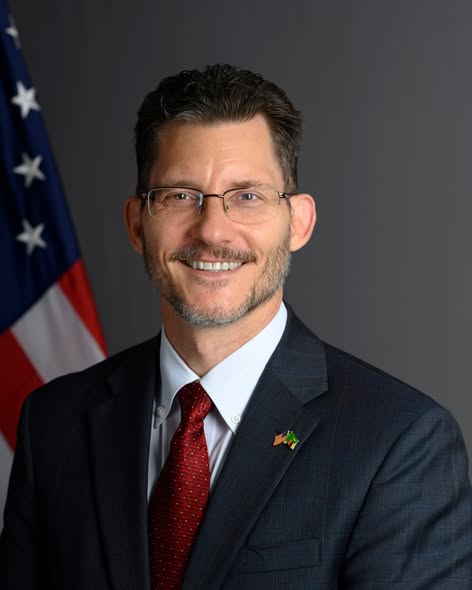
Outgoing United States Ambassador to Zambia, Michael Gonzales, has called for a fundamental shift in how the United States and Zambia manage their long-standing development partnership, warning that continued aid dependency and weak domestic investment could undermine long-term progress in key sectors, particularly health.
Speaking in a wide-ranging farewell address in Lusaka, Gonzales said future cooperation must be rooted in “mutual responsibility,” arguing that Zambia must take greater ownership of its development agenda alongside continued U.S. support.
He said the United States has prioritised Zambia’s development for decades, providing billions of dollars in health assistance since 2000. According to him, this support has contributed to significant public health achievements, including progress towards HIV epidemic control, reduced malaria mortality, and improved life expectancy.
However, he cautioned that these gains remain vulnerable due to what he described as persistent governance gaps and insufficient domestic financing.
“We cannot justify continuing to prioritise funding when the Zambian government does not deploy its own resources at the same level of urgency,” Gonzales said. “Hope is not a strategy.”
The ambassador argued that while external assistance has played a critical role in strengthening Zambia’s health system, long-term sustainability depends on stronger local systems, improved accountability, and consistent enforcement of laws.
He further noted that temporary disruptions in funding in recent years exposed structural weaknesses in the health sector, which he attributed to limited domestic investment and institutional inefficiencies.
Gonzales said the United States will continue supporting life-saving programmes, particularly HIV treatment and prevention services, and will not withdraw essential healthcare support. However, he stressed that aid must evolve into a more balanced partnership.
“We will not leave Zambians without access to critical healthcare,” he said. “But the future of this partnership must be built on mutual responsibility and real accountability.”
The ambassador also raised concerns about corruption risks, bureaucratic delays, and administrative inefficiencies, which he said discourage investment and undermine public trust in governance systems.
He added that some investors face regulatory bottlenecks and allegations of informal payments, which he said harm Zambia’s economic competitiveness.
Despite these concerns, Gonzales reaffirmed that the United States remains committed to supporting Zambia’s development and sovereignty, noting that recent bilateral engagements under President Hakainde Hichilema’s administration aimed to reset relations between the two countries.
He said Washington has continued to offer substantial grant support for health and economic development, while encouraging reforms to strengthen domestic institutions and reduce reliance on aid.
Beyond government-to-government relations, Gonzales highlighted what he described as deep and enduring ties between the two countries, including partnerships in education, faith communities, research, civil society, and cultural exchange.
“The bonds between our people are profound and enduring,” he said. “These will never fade.”
Reflecting on his tenure, Gonzales said he first visited Zambia in 1995 and described his personal connection to the country as long-standing. He expressed concern that Zambia’s development aspirations risk being delayed if reforms are not urgently prioritised.
He called on Zambians to reflect on the country’s future trajectory, urging greater national dialogue on development priorities and accountability.