Dr Musokotwane Proposes K26.3 Billion Supplementary Budget to Address Economic Pressures
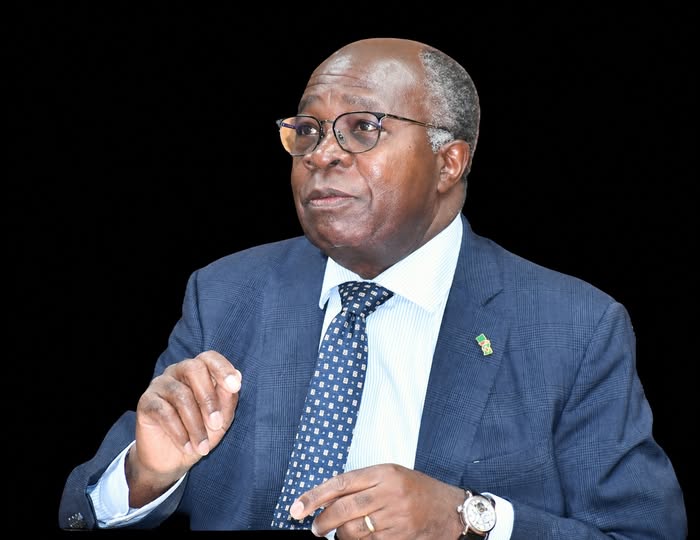
Finance and National Planning Minister Situmbeko Musokotwane has presented a K26.3 billion supplementary budget to Parliament, citing mounting fiscal pressures driven by higher maize procurement costs, public sector wage adjustments, and external shocks linked to the Middle East conflict.
Dr Musokotwane said the additional spending reflects Government’s need to respond to evolving economic realities since the 2025 Appropriation Act, while maintaining a balance between immediate relief and long-term growth.
A significant share of the budget has been directed towards agriculture, which will receive K7.4 billion to support maize purchases and clear arrears under the Farmer Input Support Programme (FISP). This allocation highlights Government’s continued focus on food security and rural economic stability.
Another K7.5 billion has been allocated to loans and investments, including funds for wage bill adjustments, dismantling domestic arrears owed to contractors and suppliers, and initial financing towards the Lobito Corridor project. Analysts interpret this as a dual strategy aimed at supporting consumption while restoring liquidity within the economy.
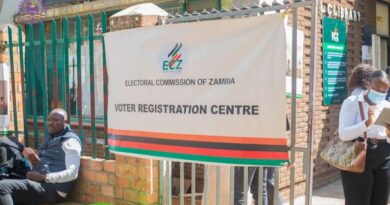
Social protection programmes will receive K1.3 billion, with expanded Social Cash Transfers and drought-response interventions expected to cushion vulnerable households. Meanwhile, K1.1 billion has been set aside for the Electoral Commission to accommodate increased constituencies and polling stations following recent constitutional changes.
The mining sector has also been allocated K1.1 billion to strengthen regulation and support geological surveys, signalling Government’s intention to enhance resource sector development.
On financing, the supplementary budget will be supported through a mix of external inflows, including funds from cooperating partners, an IMF disbursement, and support from the African Development Bank, alongside domestic borrowing and revenue mobilisation. Government also plans to reprioritise K10 billion in expenditure to ease fiscal pressure.
Dr Musokotwane noted that while the fiscal stance is expansionary in the short term, it remains anchored within Zambia’s broader debt restructuring and sustainability framework.
He added that 94 per cent of the country’s debt treatment process has been covered, with more than 60 per cent of bilateral agreements already concluded.
He cautioned, however, that global shocks continue to pose risks, highlighting the country’s vulnerability to external economic disruptions.
The supplementary budget, brought in line with constitutional provisions, aims to ensure that public spending remains responsive to emerging needs while supporting Zambia’s transition from economic stabilisation to growth.