Africa Eyes Self-Reliance in HIV Funding as Donor Support Declines
African leaders and global health partners have called for a fundamental shift in how HIV responses are financed, positioning health spending as a strategic economic investment rather than a cost burden.
The high-level dialogue, convened by the African-led HIV Control Working Group (HCWG) and hosted by the Centre for Infectious Disease Research in Zambia, took place on the sidelines of the United Nations Economic Commission for Africa Conference of Ministers in Tangiers.
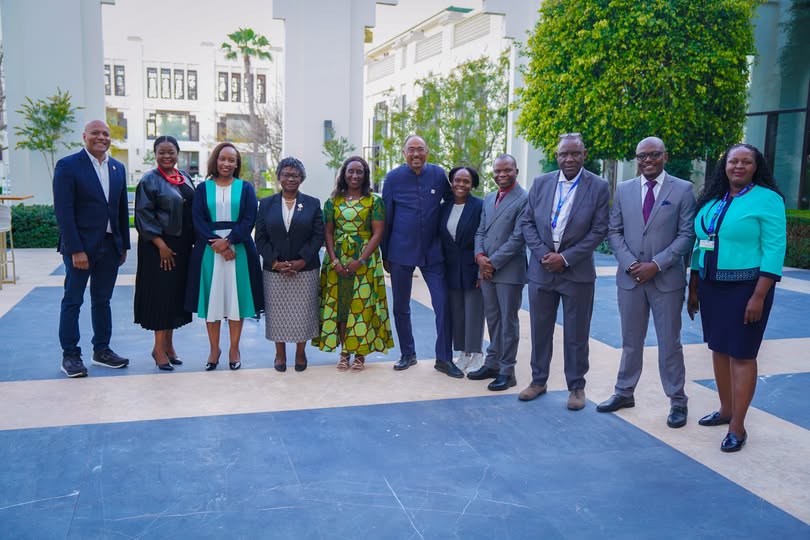
The meeting brought together senior officials from ministries of health and finance across Zambia, Malawi, Zimbabwe and other African countries, alongside regional and international partners, to explore sustainable financing solutions for HIV and broader health systems.
According to Dr Robb Sheneberger, Head of Secretariat at HCWG, the dialogue comes at a critical juncture as African countries navigate what he described as a “triple transition” declining external HIV funding, an evolving epidemic increasingly linked to chronic disease, and mounting macroeconomic pressures.
Participants agreed that the changing landscape requires a decisive shift towards domestic financing. They stressed that reliance on donor funding is no longer sustainable and called for increased mobilisation of local resources to support HIV programmes and health systems.
Evidence presented during the meeting highlighted that sustained investment in health delivers long-term economic benefits, including safeguarding productivity, reducing future public expenditure, and strengthening fiscal stability.
Delegates also underscored the importance of closer collaboration between ministries of health and finance, noting that integrated planning improves efficiency and ensures more sustainable outcomes.
Innovative financing mechanisms featured prominently in discussions, with experts pointing to blended finance models, insurance schemes, and regional financing approaches as viable pathways to unlock new resources while maintaining equity.
Practical examples shared included the use of investment cases to demonstrate economic returns on health spending, as well as growing private sector involvement in healthcare financing.
The meeting concluded with a strong call for increased investment in African-led platforms such as HCWG, which prioritise local leadership, including women’s participation, and promote institutional collaboration between key sectors.
Participants emphasised that long-term progress will depend not only on financing tools, but also on strong governance, political commitment, and a shift in narrative towards system-based investments.
The African-led HIV Control Working Group, supported by the Bill & Melinda Gates Foundation, brings together experts from across the continent to develop frameworks for sustained HIV control and to guide research and programme implementation tailored to African contexts.
Stakeholders reaffirmed their commitment to advancing African-owned solutions that align health priorities with economic development, in a bid to build resilient health systems capable of protecting both lives and livelihoods.