SADC Countries Team Up to Cut Medicine Prices by Up to 40% Through Collective Buying
The Southern African Development Community (SADC) Pooled Procurement Services (SPPS) Steering Committee has reaffirmed strong support for the operationalisation of a regional procurement system aimed at improving access to affordable medicines.
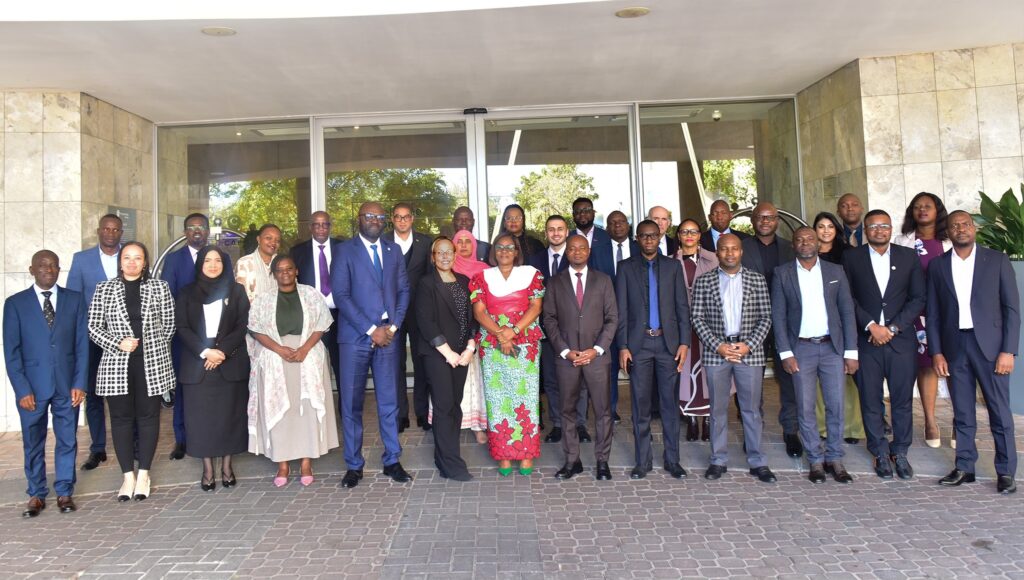
The commitment was made during the Committee’s ordinary meeting held in Sandton, Johannesburg, from 29 to 30 April 2026, where members reviewed progress on implementation and deliberated on key strategic issues, including group contracting, supplier mapping and regional manufacturing capacity.
The Steering Committee, comprising senior officials responsible for pharmaceutical procurement across SADC Member States, is overseeing the interim rollout of SPPS. Once the SPPS Charter is approved by the SADC Council of Ministers, the mechanism is expected to transition into a fully autonomous regional institution.
Central to the discussions was the introduction of group contracting, a multi-country procurement model that allows Member States to pool demand and negotiate collectively with suppliers. The approach is expected to reduce the cost of medicines by up to 40 per cent, while also strengthening regional supply chains and supporting local manufacturing.
The initiative is supported by the SADC Medicines Database, an ICT-enabled platform designed to streamline procurement processes, improve information sharing and promote evidence-based purchasing across the region.
Chairperson of the SPPS Steering Committee, Marione Schonfeldt, emphasised the importance of regional unity and cooperation in ensuring equitable access to healthcare.
She described the SPPS model as a critical intervention grounded in the principle that access to safe, effective and affordable medicines is a fundamental human right, adding that regional solidarity is essential to addressing persistent inequalities in healthcare access.
In his remarks, Lamboly Kumboneki from the SADC Secretariat highlighted the progress made since 2014 in advancing the initiative, noting that SPPS is positioning the region towards greater self-reliance in the procurement of essential medicines.
He said the initiative will not only improve health outcomes but also stimulate growth in the regional pharmaceutical industry.
However, Dr Kumboneki cautioned that challenges remain, including global geopolitical uncertainties and fluctuating support from development partners, stressing the need for sustained commitment from Member States.
The meeting also included discussions on licensing of manufacturers and suppliers, as well as a technical visit to the Gauteng Medical Supplies Depot to gain practical insights into procurement systems.
Participants were drawn from several Member States, including Zambia, South Africa, Angola and Zimbabwe, alongside representatives from development partners such as United Nations Population Fund and Deutsche Gesellschaft für Internationale Zusammenarbeit.
The SPPS initiative is aligned with the SADC Industrialisation Strategy and Roadmap 2015–2063 and is expected to play a key role in strengthening regional health systems, improving access to essential medicines and enhancing economic resilience across the bloc.