
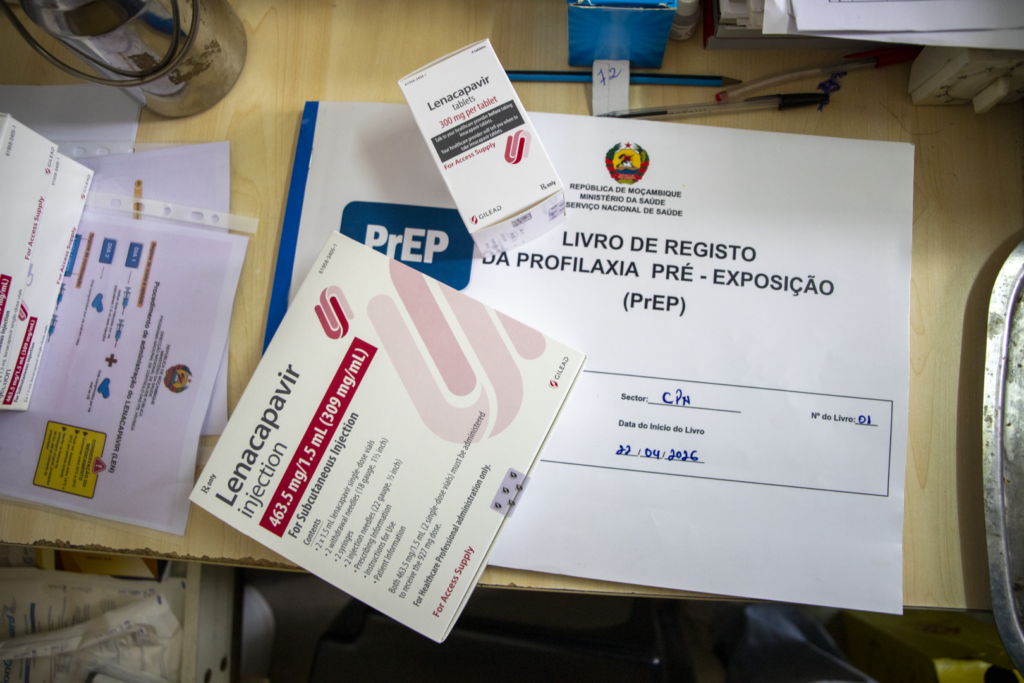
Mozambique Introduces Lenacapavir and New HIV Prevention Guidelines
Mozambique has introduced Lenacapavir, a long-acting injectable drug for HIV pre-exposure prophylaxis (PrEP), alongside new national biomedical prevention guidelines covering HIV, sexually transmitted infections (STIs), and viral hepatitis.
The launch ceremony, held at the Ndlavela Health Centre in Matola, was led by the Ministry of Health (MISAU) and brought together government officials, development partners, healthcare workers, civil society representatives, and community members.
Lenacapavir, administered twice a year, is expected to significantly strengthen HIV prevention efforts by improving adherence and expanding protection options, particularly among high-risk groups.
In its initial phase, the programme aims to reach at least 34,000 people and will be provided free of charge at selected public health facilities in Zambezia, Maputo City, and Maputo Province.
Mozambique’s Minister of Health, Dr Ussene Hilário Isse, described the introduction of the drug as a critical advancement in the national HIV response.
He noted that with an estimated 92,000 new infections annually and an adult prevalence rate of 12.5% among those aged 15 to 49, the country urgently requires innovative and scalable prevention tools.
“We need to accelerate effective and innovative solutions. Lenacapavir strengthens our response by expanding prevention options and improving adherence, especially among young people. Investing in health is investing in the country’s development,” he said.
The initiative places Mozambique among nine African countries adopting Lenacapavir as part of expanded HIV prevention strategies. Global Fund Executive Director Peter Sands highlighted its global significance, stating that the aim is to reach three million people worldwide by 2028.
“The introduction of Lenacapavir is one of the most powerful tools for ending the HIV epidemic,” he said.
Alongside the rollout of the drug, the Ministry of Health also launched the Guidelines for Combined Biomedical Prevention of HIV, STIs, and Viral Hepatitis. The framework provides practical guidance for health workers and programme managers to support integrated prevention services across the health system.
The World Health Organization (WHO), which provided technical support for both initiatives, welcomed the development as a major step in strengthening Mozambique’s public health response.
Dr Nélida Cabral, Acting WHO Representative in Mozambique, said the initiative positions the country as a leader in implementing long-acting PrEP in high-burden settings. “This represents a strategic opportunity to strengthen the national response to HIV and generate important evidence on innovative prevention approaches,” she said.
Health authorities in Maputo Province also underscored the urgency of scaling up prevention efforts, noting that an estimated 281,000 people are living with HIV in the province, with around 24 new infections recorded daily.