ZICA Welcomes IMF Exit, Raises Concern Over Fuel Tax Cuts
The Zambia Institute of Chartered Accountants (ZICA) has commended Government for sustaining economic reforms following the successful completion of Zambia’s programme with the International Monetary Fund (IMF), while urging continued fiscal prudence in light of recent fuel-related tax measures.
The IMF recently concluded the sixth and final review of Zambia’s 38-month Extended Credit Facility (ECF), marking the end of a US$1.7 billion programme launched in August 2022 to restore macroeconomic stability after the country’s debt crisis.
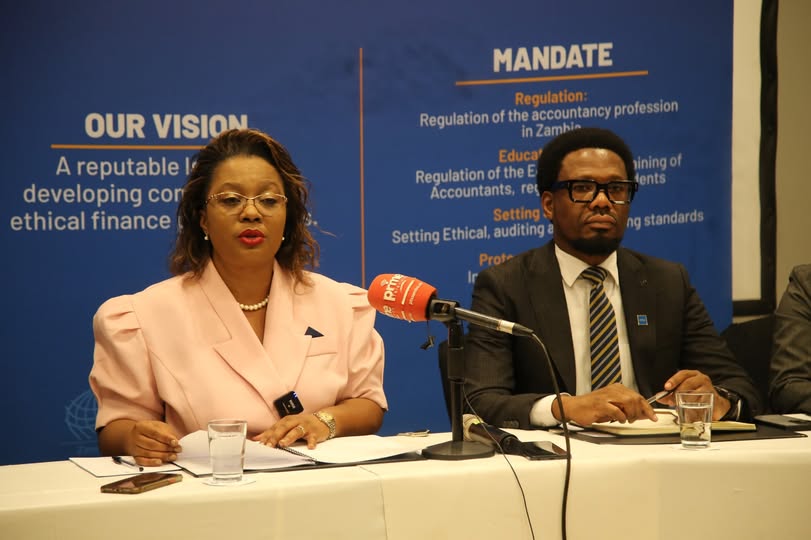
Speaking during a media briefing in Lusaka, ZICA President Yande Siame Mwenye said the completion of the programme represents a significant milestone in Zambia’s economic recovery, signalling strengthened fiscal discipline, progress in external debt restructuring, and improved policy credibility.
She noted that the final review unlocks approximately US$190 million, bringing total disbursements under the programme to the full approved amount.
“Zambia’s economic recovery has demonstrated resilience despite external shocks, including drought and global economic pressures. The completion of the programme is expected to boost investor confidence, improve access to international financing, and support exchange rate stability,” Mrs Mwenye said.
However, ZICA cautioned that the end of the programme should mark a transition from stabilisation to long-term growth and structural transformation, rather than a relaxation of reform efforts.
She added that although Government has opted not to extend the ECF, it is currently engaging the IMF on a possible successor arrangement to consolidate the gains achieved.
Meanwhile, the institute expressed concern over recent emergency fiscal measures introduced in response to rising global oil prices linked to geopolitical tensions. Following a Cabinet meeting convened by President Hakainde Hichilema on 31 March 2026, Government approved the zero-rating of Value Added Tax (VAT) and the suspension of excise duty on petrol and diesel imports for a three-month period.
While acknowledging that the measures are intended to cushion consumers, ZICA warned that they carry notable fiscal risks. Mrs Mwenye said that although petrol prices have been stabilised, rising costs of diesel and kerosene continue to place pressure on households, businesses, and supply chains, particularly affecting vulnerable groups.
She further cautioned that the temporary suspension of fuel-related taxes could mirror the fiscal impact of subsidies and potentially reverse gains made through earlier fiscal consolidation efforts.
“This raises concerns about possible revenue shortfalls that may affect critical social spending commitments outlined in the 2026 National Budget,” she said.
ZICA has since called on Government to outline a clear strategy for managing the anticipated revenue gap without compromising investment in key sectors such as education, health, and social protection, or undermining Zambia’s debt sustainability goals.
The institute reaffirmed its support for targeted and time-bound interventions but stressed the importance of maintaining fiscal discipline to safeguard macroeconomic stability and sustain reform progress.