HRC-Z, GIZ Agree to Strengthen Capacity for Effective Access to Information Implementation
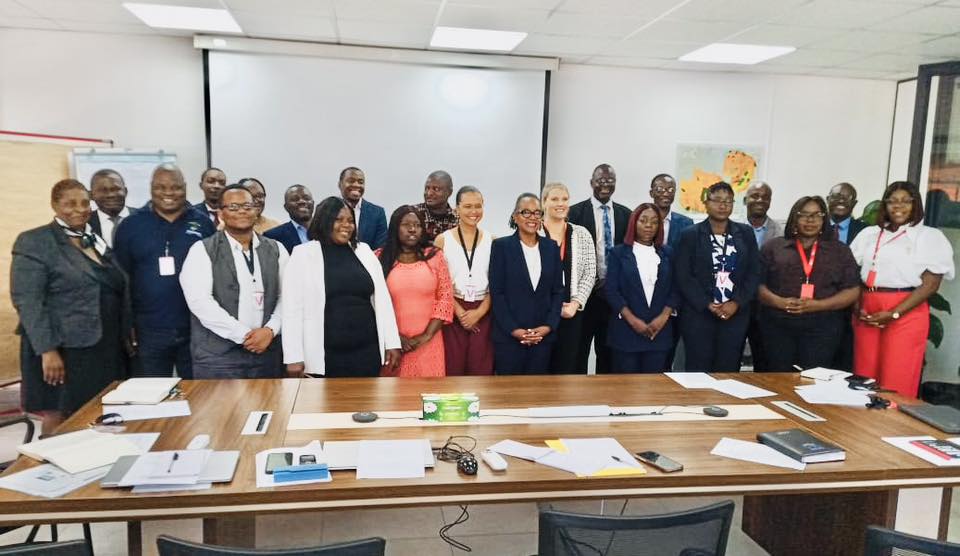
The Human Rights Commission of Zambia (Human Rights Commission of Zambia), in partnership with the Deutsche Gesellschaft für Internationale Zusammenarbeit (GIZ), has convened a stakeholder validation meeting in Lusaka to review an institutional capacity assessment report aimed at strengthening the Commission’s ability to implement the Access to Information framework.
The meeting follows the completion of a draft assessment report developed by consultants to enhance the Commission’s capacity under the Access to Information (ATI) Act, No. 24 of 2023.
Speaking during the opening session, HRC-Z Director General Ms Mbololwa Wamunyima said access to information is a fundamental right that underpins freedom of expression, public participation, and accountability in governance.
She noted that it is critical for the Commission to be adequately equipped to discharge its oversight and quasi-judicial functions, particularly in handling appeals and ensuring compliance by information holders.
Ms Wamunyima added that stakeholder input from the validation process would inform the development of targeted training programmes for Commissioners and staff, aimed at improving institutional effectiveness in implementing the ATI Act.
Team Leader for Transparency and Accountability under the Enabling Access to Justice, Civil Society Participation and Transparency (EnACT) Programme, Mr Zacharia Malasha, commended the Commission for its openness to external review, describing it as an important step towards institutional strengthening.
“It is not always easy to open your doors to external scrutiny. We commend the Commission for its transparency,” he said.
Lead Consultant Ms Florence Chibwesha clarified that the assessment was not intended as a performance audit, but rather a baseline study designed to identify gaps and provide recommendations for improving the Commission’s oversight role under the ATI framework.
The initiative is supported by the Federal Republic of Germany and co-funded by the European Union under the GIZ EnACT Programme, which focuses on strengthening access to justice, transparency, and civil society participation.