
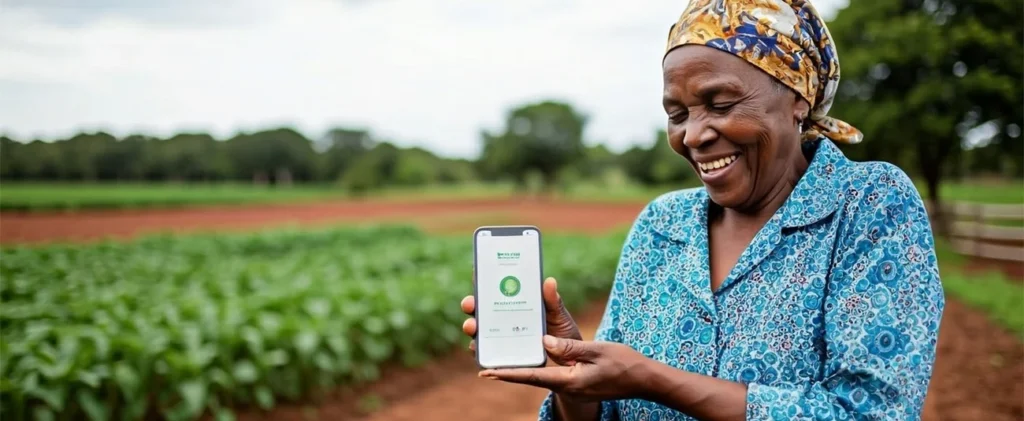
AfDB Approves $25 Million Grant to Strengthen Food Security and Climate Resilience in Zimbabwe
The African Development Bank Group has approved a US$25 million grant to support drought-prone rural communities in Zimbabwe, aimed at strengthening food security and building climate resilience.
The funding, approved by the Bank’s Board of Directors, will support the Zimbabwe Agricultural Climate Resilient and Vulnerability Reduction Project (ACRES), which is set to run from 2026 to 2030. The project is financed under the Bank’s Transition Support Facility.
ACRES will focus on some of the country’s most climate-affected regions, including Masvingo Province and Matabeleland South, where communities face persistent droughts, erratic rainfall, and declining agricultural productivity.
The initiative is expected to directly benefit approximately 92,500 vulnerable smallholder farmers, with at least half being women and 20 per cent youth. These groups are among the hardest hit by food insecurity, limited economic opportunities, and the impacts of climate change.
In addition, around 200,000 people in surrounding communities are projected to benefit from improved infrastructure, enhanced agricultural productivity, and better access to food and nutrition.
The project will also support the development of grazing areas and water resources, while promoting private sector investment in agriculture. It is expected to create employment opportunities, including 320 full-time jobs and over 2,000 seasonal roles across crop and livestock value chains.
African Development Bank Country Manager for Zimbabwe, Ms Eyerusalem Fasika, described the grant as a critical intervention to strengthen resilience and improve livelihoods in vulnerable rural communities.
Meanwhile, the Bank’s Director of Agriculture and Agro-Industry, Mr Martin Fregene, said the initiative aligns with the institution’s broader priorities of promoting sustainable agriculture and economic opportunities.
The African Development Bank has remained a key partner in Zimbabwe’s rural development, supporting efforts to reduce poverty and improve food security. The ACRES project is expected to further reinforce the country’s commitment to climate-smart agriculture and long-term economic resilience.