
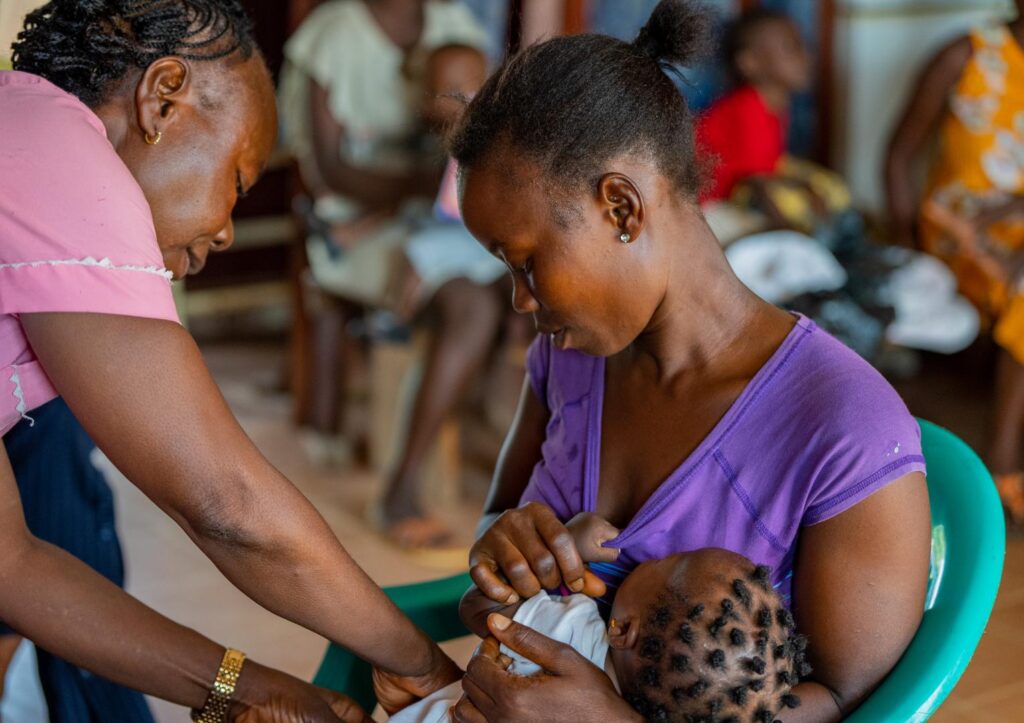
Africa Saves 20 Million Lives with Measles Vaccines, WHO Reports
A new analysis by the World Health Organization and Gavi, the Vaccine Alliance has revealed that nearly 20 million measles-related deaths have been prevented in Africa since 2000 due to expanded immunisation programmes.
The report shows that 19.5 million measles deaths were averted between 2000 and 2024, while more than 500 million children across the continent were protected through routine vaccinations.
According to the findings, measles vaccination coverage in Africa has increased significantly over the past two decades, rising from just 5 percent in 2000 to 55 percent in 2024.
During this period, 44 African countries introduced a second dose of the measles vaccine, while large-scale immunisation campaigns delivered 622 million additional doses.
The study also notes a 40 percent reduction in measles cases and a halving of measles-related deaths across the region.
Several countries have made notable progress, with Cabo Verde, Mauritius and Seychelles becoming the first sub-Saharan African nations to achieve measles and rubella elimination status in 2025.
The analysis further highlights broader gains in immunisation, including the expansion of routine vaccines protecting against 13 diseases, up from eight in 2000. It also shows that at least 1.9 million lives were saved through vaccination in 2024 alone.
Dr Mohamed Janabi, WHO Regional Director for Africa, said the progress reflects strong investment in immunisation but warned that coverage remains uneven across countries, leaving many children unprotected.
He called for urgent strengthening of routine immunisation systems to ensure no child is left behind.
Gavi Chief Executive Officer Dr Sania Nishtar also highlighted the need for continued investment, noting that while progress has been significant, many vulnerable communities are still being missed due to weak health systems and access challenges.
The report further points to ongoing challenges such as rapid population growth, climate change, humanitarian crises and political instability, which continue to affect vaccine delivery.
Health agencies have called for sustained political commitment and stronger primary health care systems to help countries reach the global target of 90 percent vaccine coverage under the Immunisation Agenda 2030.