
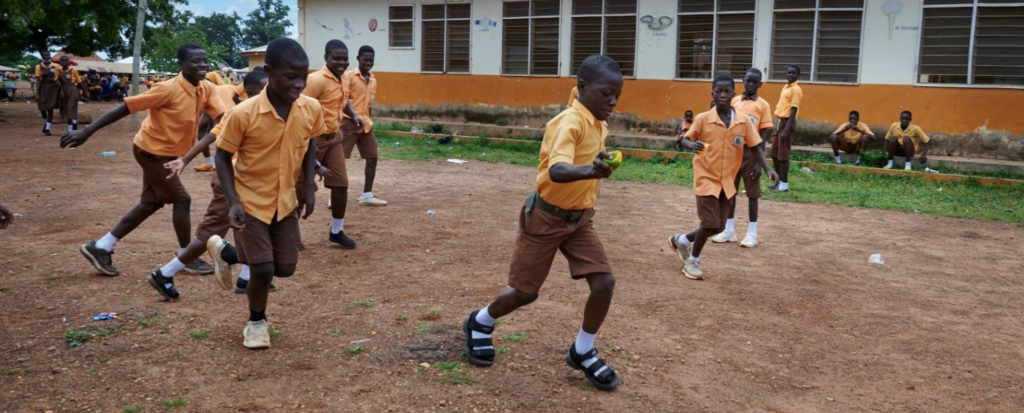
New Global Guide Urges Child-Friendly Public Spaces in Cities
A new global guide released today by the World Health Organization (WHO), UNICEF and UN-Habitat urges governments and city planners to place children at the centre of urban design. The guide highlights the importance of safe, inclusive and accessible public spaces for children’s health, development and well-being.
Globally, only 44% of urban residents live near an open public space, with the figure dropping to 30% in low- and middle-income countries. Millions of children in towns and cities still lack safe areas to play and move freely, while pollution, traffic, overcrowding and climate-related hazards restrict their daily activities.
“Access to safe, inclusive public space is directly linked to children’s health, development, learning and social ties and is a child’s right,” said Dr Etienne Krug, Director of the WHO Department for Health Determinants, Promotion and Prevention.
The Guide to Creating Urban Public Spaces for Children provides practical, evidence-based advice for governments, urban planners and partners. Drawing on global evidence, expert input and consultations with children, the guide promotes spaces that are safe, inclusive, resilient and equitable.
Dr Nathalie Roebbel, WHO Technical Lead for Urban Health, added: “This guide shows how child-centred urban areas can fulfil the right to play and accelerate progress towards safe, accessible public spaces for everyone by 2030.”
The guide outlines six principles for planning and managing child-friendly public spaces: Safety, Play, Access, Child Health, Equity and Sustainability. Key recommendations include:
- Implementing traffic-calming measures, safe crossings and secure routes to schools and parks.
- Integrating play opportunities across streets, courtyards and public areas.
- Prioritising access in high-density and low-income areas.
- Ensuring clean air, shade, safe materials and protection from climate hazards.
- Promoting equity and inclusion through universal design and community participation.
- Strengthening resilience with green and blue infrastructure and revitalisation of underused spaces.
With over 55% of the world’s population now living in urban areas—a figure projected to reach 68% by 2050—the guide calls on cities, especially in developing countries, to design urban spaces that support children’s health and development while advancing equity and sustainability.