
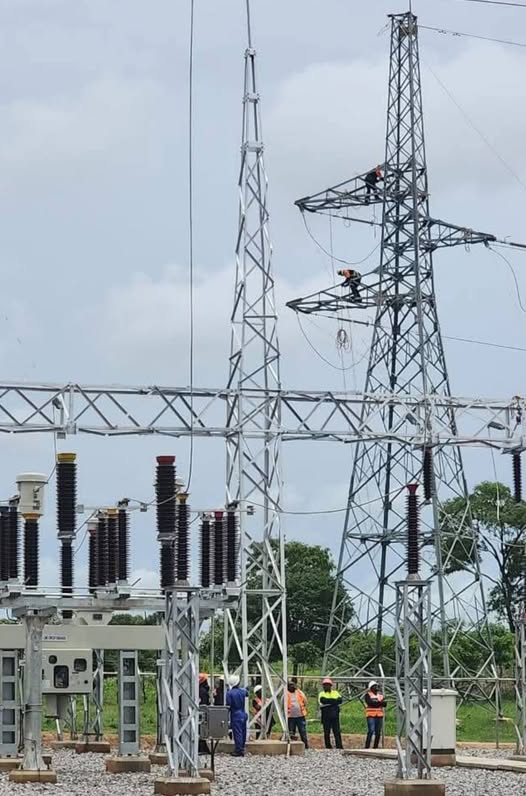
Zambia Accelerates Energy Reforms, Eyes 10,000MW Power Generation by 2030
Government says the country is accelerating energy sector reforms and infrastructure investments aimed at transforming Zambia into a resilient, diversified, and investment-ready energy economy, with a target of generating 10,000 megawatts of electricity by 2030.
Speaking during the official opening of the 4th Senior Public Service Management Meeting in Lusaka, Secretary to the Cabinet Patrick Kangwa said Zambia had made “tangible, measurable, and transformative progress” in addressing energy challenges that had previously constrained economic growth.
The meeting was held under the theme “Energy – The Lifeblood of Development.”
Mr Kangwa said the New Dawn Administration had over the past four years implemented investor-friendly reforms, streamlined licensing procedures, and enhanced transparency measures to attract both local and foreign investment into the energy sector.
Among the key reforms highlighted was the implementation of the Electricity Open Access Regulations in July 2024, which opened Zambia’s electricity transmission and distribution networks to eligible market participants in a move aimed at diversifying the country’s energy mix and strengthening long-term energy security.
Zambia currently has approximately 3,000 megawatts of installed electricity capacity, which Government says remains inadequate to meet growing national demand.
President Hakainde Hichilema has since set a target of increasing generation capacity to 10,000 megawatts by 2030.
Mr Kangwa cited several major projects that have expanded the country’s power generation base, including the full commissioning of the 750MW Kafue Gorge Lower Hydropower Station in March 2023, which increased national generation capacity by nearly 38 per cent.
He also referenced the ongoing construction of the 300MW Maamba Coal Power Plant, launched in June 2024 and expected to be completed by mid-2026.
In the renewable energy sector, Mr Kangwa highlighted the commissioning of the US$100 million Chisamba Solar Plant in June 2025, which added 100MW of solar energy to the national grid.
Other renewable projects mentioned included the 60MW Itimpi Solar Power Station in Kitwe commissioned in April 2024, the 25MW Kanona Solar PV Project commissioned in 2025, and the recently commissioned 50MW solar plant in Mansa District in Luapula Province.
Mr Kangwa said the projects form part of a broader strategy to reduce dependence on hydropower and strengthen resilience against climate-related energy disruptions.
He further said Zambia was enhancing regional electricity connectivity through projects such as the Zambia-Tanzania-Kenya Interconnector, the Botswana-Zambia Interconnector, and the Kalumbila-Kolwezi Interconnector linking Zambia and the Democratic Republic of Congo.
According to Mr Kangwa, the interconnectors are expected to improve regional electricity trading, strengthen supply reliability, and support industrial development across the region.
In the petroleum sector, he said reforms include the repurposing of the TAZAMA Pipeline from transporting commingled crude oil to finished petroleum products, alongside the introduction of an open access framework intended to improve efficiency, competition, and nationwide fuel access.
Mr Kangwa also disclosed that Cabinet had approved the development of the Tanzania-Zambia Multi-Products Pipeline and the Namibia-Zambia Refined Petroleum and Natural Gas Pipeline under Public-Private Partnership arrangements.
He added that Government was also pursuing the proposed Lobito-Lusaka Oil Pipeline, a planned 1,400-kilometre pipeline linking Angola and Zambia.
National fuel consumption is projected to rise to approximately 3.7 million tonnes annually by 2030, increasing the need for expanded petroleum logistics infrastructure.
Meanwhile, Mr Kangwa urged controlling officers across Government to strengthen cost-saving measures, including increased procurement of electric vehicles and tighter controls on non-essential local and international travel.
He said Zambia’s energy transformation agenda must remain closely linked to fiscal discipline, public sector efficiency, and uninterrupted service delivery.
“Together, we are not just generating electricity, but generating hope, opportunity, and a brighter future for all,” Mr Kangwa said.