Zambia Loses $5 Billion in Lifetime Earnings to Climate Shocks
Southern Province Minister Credo Nanjuwa has warned that escalating climate change impacts, including prolonged droughts, water stress and declining agricultural productivity, are posing a serious threat to livelihoods in Zambia.
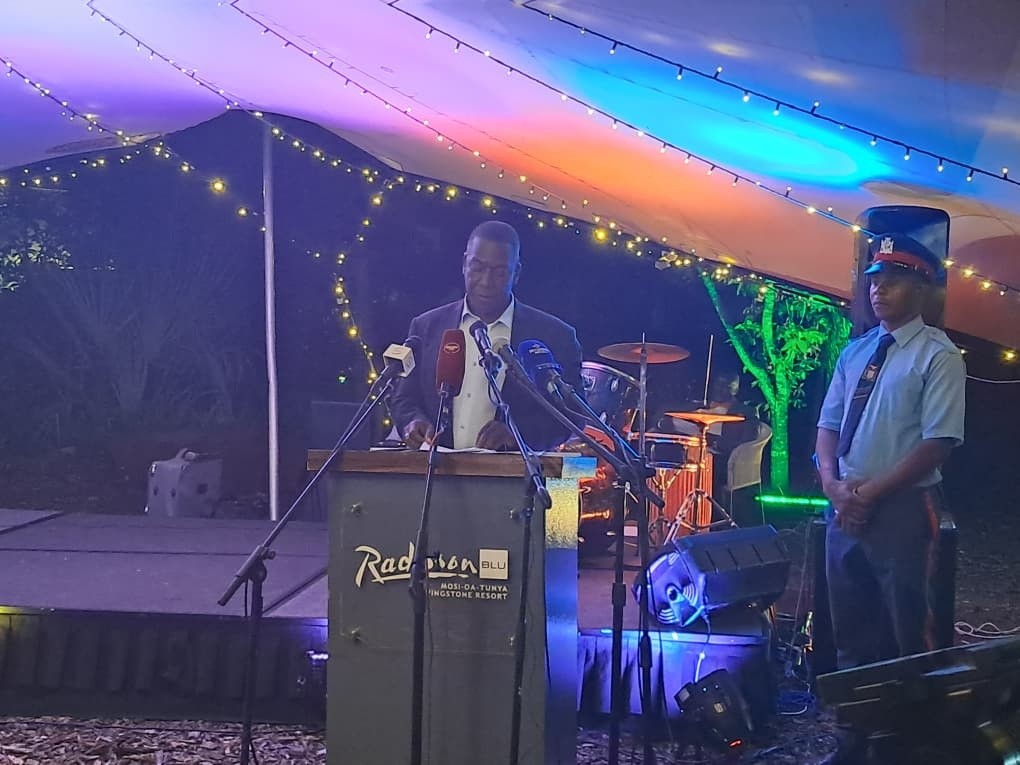
Speaking during a cocktail dinner at the Radisson Blu Mosi-oa-Tunya, the Minister welcomed international delegates attending a high-level meeting on loss and damage, noting that the gathering comes at a critical time for vulnerable regions such as Southern Province.
“For many communities, climate change is no longer a distant concern but a daily reality,” he said, adding that its effects are increasingly undermining food security, energy systems and economic stability.
He further noted that hosting the meeting near Mosi-oa-Tunya offers delegates a unique opportunity to witness both the region’s natural heritage and the environmental pressures it faces.
Meanwhile, Livingstone Mayor Constance Nalishebo Muleabai emphasised the frontline role of local authorities in responding to climate shocks. She said councils are often the first to manage disruptions to essential services and livelihoods, and called for increased access to funding to ensure timely support for affected communities.
In a related development, Co-Chair of the Fund for Responding to Loss and Damage, Camila Minerva Rodriguez, expressed appreciation to the Zambian Government for hosting the meeting, adding that she hopes it will advance the global agenda on climate resilience and recovery.
Concerns were also raised over the impact of climate change on education. Principal Planner in the Ministry of Education, Mang’ombe Tembo, said extreme weather events such as droughts, floods and heatwaves are already disrupting learning across the country.
He revealed that since 2005, Zambia has experienced 22 major climate events affecting 17 million people. During the 2023–2024 El Niño-induced drought, about 60 per cent of households reported children missing school due to hunger, water shortages and power outages.
Mr Tembo noted that Zambia has lost approximately US$60 million in education since 2005, with an estimated five million student-years of learning disrupted. This has translated into between US$4 billion and US$5 billion in lost lifetime earnings.
He warned of rising school dropout rates, increased stress among learners and heightened risks for girls, urging global partners to prioritise education in climate financing frameworks.
The meeting has drawn key stakeholders, including Minister of Tourism Rodney Sikumba, representatives of international organisations and senior government officials.
Delegates are expected to deliberate on strengthening mechanisms under the Fund for Responding to Loss and Damage to better support countries already grappling with climate impacts.
Officials have also encouraged delegates to explore local attractions such as the Mosi-oa-Tunya National Park and the Zambezi River during their stay.