Gov’t to Introduce Mandatory Independent Engineers for All Road Projects
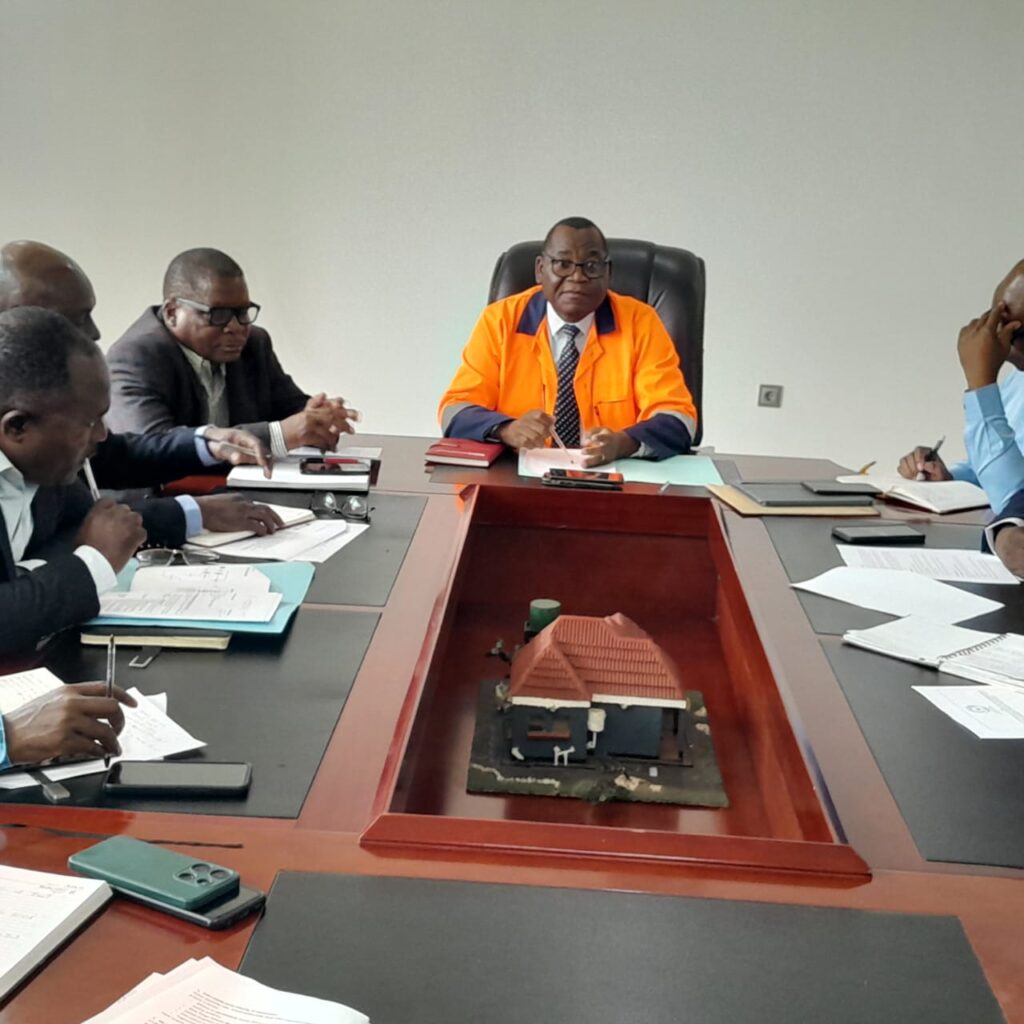
The Ministry of Infrastructure, Housing and Urban Development has convened a high-level consultative meeting with key stakeholders in Zambia’s construction sector to address growing concerns over the design, construction and supervision of road and bridge projects.
According to a statement issued by Permanent Secretary Prof. Albert Malama, the meeting brought together representatives from the Road Development Agency (RDA), National Council for Construction (NCC), Engineering Institute of Zambia (EIZ), and the Association of Consulting Engineers of Zambia (ACEZ).
The engagement was prompted by recent incidents involving the failure of some road and bridge infrastructure, which have raised urgent concerns over standards, accountability and oversight within the sector.
The meeting identified several priority issues requiring immediate action. These include infrastructure failures that point to the need to reassess existing engineering systems and standards, as well as accountability gaps, particularly the enforcement of sanctions against contractors and consultants who compromise project quality.
Stakeholders also called for an urgent review of design standards to integrate climate resilience measures in response to increasingly extreme weather conditions. Other concerns included weaknesses in technical oversight, such as inadequate independent supervision, limited on-site monitoring, and insufficient quality control mechanisms.
The meeting further highlighted potential conflicts of interest in the appointment of consultants, especially under Public-Private Partnership (PPP) arrangements.
In response, participants resolved to introduce a series of reforms aimed at strengthening governance and improving infrastructure delivery. These include the mandatory appointment of Independent Engineers on all road and bridge projects, particularly PPPs, as well as the deployment of Clerks of Works at all project sites to enhance supervision and ensure compliance.
A comprehensive Technical Audit Manual is also expected to be developed within six weeks to guide monitoring and evaluation processes across the sector.
Prof. Malama noted that a joint Liaison Committee will be established, comprising key stakeholders, regulatory bodies and professional institutions. The committee will coordinate routine joint inspections of all road and bridge projects nationwide to ensure strict adherence to approved designs, standards and quality requirements.
“This mechanism is expected to significantly enhance accountability, improve inter-agency coordination and provide a unified approach to monitoring project implementation,” he stated.
The RDA has also been tasked with reviewing and harmonising design standards to incorporate climate resilience measures, with a report expected by June 2026.
In addition, efforts will be made to strengthen road maintenance systems to prevent premature infrastructure failure. Regulatory bodies, including the NCC and EIZ, have been directed to enforce standards more strictly and publicise disciplinary actions against non-compliant consultants and contractors.
The Ministry reaffirmed Government’s commitment to ensuring that all infrastructure meets the highest standards of quality, safety and durability.
“Safeguarding public resources and protecting lives remains paramount,” Prof. Malama said, adding that the Ministry will continue working closely with stakeholders to implement the agreed reforms and strengthen infrastructure governance across the country.