Agricultural Reforms Deliver US$80 Million in Annual Savings for Zambia
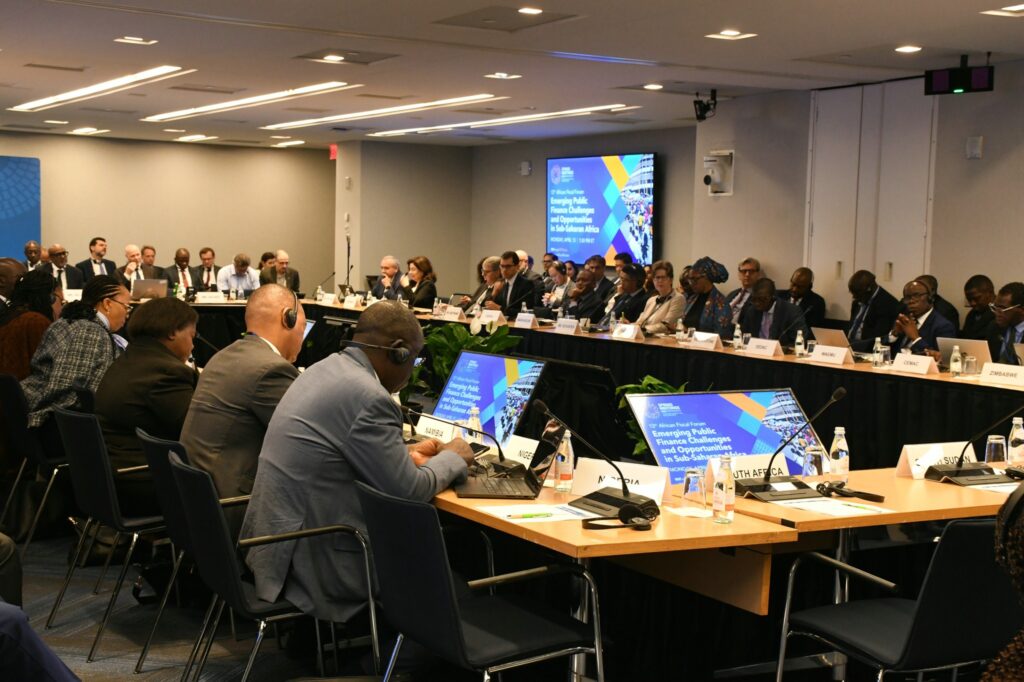
Zambia has used the 2026 Spring Meetings of the International Monetary Fund and the World Bank Group to advance its reform agenda, strengthen international partnerships and outline practical pathways to economic growth.
The Ministry of Finance and National Planning said the country’s engagements in Washington reflect a clear focus on translating reform credibility into improved public spending, higher productivity and broader economic opportunities for citizens.
On the margins of the meetings, Finance and National Planning Minister Situmbeko Musokotwane held bilateral talks with the Administrator of the United Nations Development Programme (UNDP), Achim Steiner, reviewing ongoing cooperation in areas such as the Green Finance Transition Facility, expanded access to financing and the Timbuktu initiative.
Dr Musokotwane emphasised the need to align international support with Zambia’s development priorities, including leveraging opportunities linked to the Lobito Corridor and strengthening value chains to drive industrial growth and economic diversification.
Discussions also covered Zambia’s Ninth National Development Plan and the Integrated National Financing Framework, reinforcing the government’s push for practical, country-led development outcomes.
Meanwhile, at a World Bank Knowledge Café held under the theme “What Do Agricultural Subsidies Really Achieve?”, Secretary to the Treasury Felix Nkulukusa outlined Zambia’s progress in reforming its agricultural subsidy system.
Mr Nkulukusa said the shift from a centrally managed input distribution model to an electronic voucher (e-voucher) system has improved efficiency, transparency and farmer choice. The reform has enabled better targeting of beneficiaries, with approximately 212,000 “ghost farmers” identified and removed from a pool of about one million recipients.
He noted that the new system allows farmers to select inputs suited to local conditions, while reopening the distribution chain to private sector participation, with around 650 agro-dealers involved in the initial phase.
The reforms have also delivered significant fiscal benefits, with savings of about US$30 per hectare in input costs and an estimated US$80 million in annual savings. Mr Nkulukusa said these gains strengthen Zambia’s efforts to improve expenditure efficiency amid ongoing fiscal constraints.
He added that maize production among small-scale farmers supported under the programme has increased significantly, rising from approximately 1.5 million metric tonnes in 2023 to about 3.6 million metric tonnes in the 2025/2026 season, with projections exceeding 4 million metric tonnes.
The Secretary to the Treasury stressed that the subsidy reforms form part of a broader Comprehensive Agricultural Transformation Programme, which prioritises irrigation, climate resilience, digital extension services, market access and agricultural financing.
He cautioned, however, that rising global fertiliser prices continue to pose challenges, making poorly targeted subsidy systems increasingly unsustainable, particularly when they compete with spending on key sectors such as health and education.
The Ministry said Zambia’s overall message at the Spring Meetings is that reform credibility must be matched by disciplined implementation, with fiscal reforms and international cooperation creating space for productive, citizen-focused investment.
The Zambian delegation included Denny Kalyalya, Bank of Zambia Deputy Governor Francis Chipimo, senior government officials and members of Parliament, alongside diplomatic representatives to the United States and the United Nations.
The Spring Meetings concluded on 18 April, with Zambia positioning itself as committed to policy consistency, institutional reform and sustainable economic growth.