SADC Strengthens Collective Response to Youth Unemployment and Informal Work
Senior Officials responsible for Employment and Labour in the Southern African Development Community (SADC) have reaffirmed the need for stronger regional collaboration to address persistent employment and labour market challenges across the region.
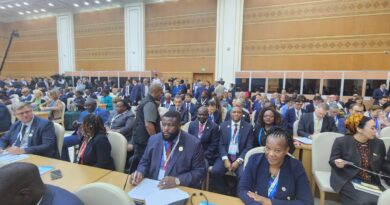
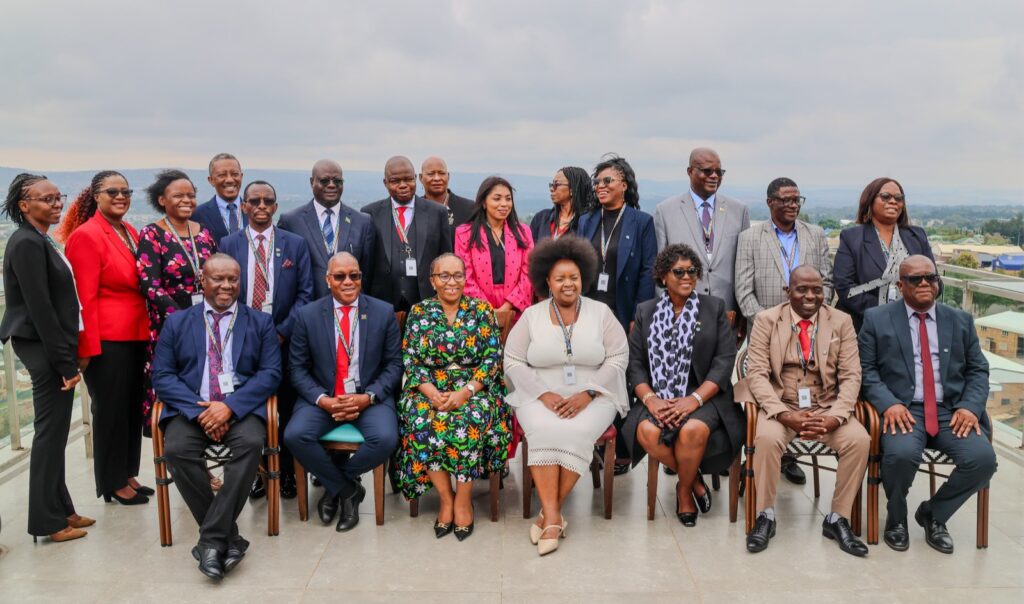
The officials met from 24 to 26 February 2026 in Roodepoort to review progress in the implementation of regional programmes and to formulate recommendations for the next Meeting of Ministers of Employment and Labour and Social Partners. The discussions took place amid growing labour market pressures in the region and increasing global geopolitical fragmentation.
Recent regional labour market analysis presented at the meeting shows unemployment rates reaching as high as 36.9 per cent in some Member States, with youth unemployment rising to 62.5 per cent in others.
Broader indicators reveal that in certain countries more than half of the working-age population faces some form of labour market exclusion, while informal employment exceeds 90 per cent in several Member States, reflecting deep structural constraints and significant decent work deficits.
The Guest of Honour, Nomakhosazana Meth, Minister of Employment and Labour of the Republic of South Africa and Chairperson of the SADC Ministers of Employment and Labour and Social Partners, highlighted the impact of a shifting global order characterised by rising geopolitical tensions, protectionism and fragmented trade relations. She warned that working people are often the first to be affected through job losses, rising living costs and weakened labour protections.
She emphasised the need for SADC to close the gap between policy ambition and implementation through stronger policy coherence and sustainable financing of employment interventions. The Minister also called for accelerated ratification of the SADC Protocol on Employment and Labour, describing it as critical to operationalising the region’s shared vision.
Representing the SADC Deputy Executive Secretary responsible for Regional Integration, Ms Duduzile Simelane highlighted that the sector is operating in a changing global development environment marked by reduced external support and increased pressure on regional programmes.
She stressed the importance of greater regional ownership, stronger coordination and sustainable resourcing, while noting encouraging mid-term progress under the RISDP 2020–2030, despite continued strain on employment outcomes.
Senior Officials also considered the Report on the Status of the Labour Market in SADC and urged Member States to accelerate job-rich and inclusive growth. They approved the Draft Regional Guidelines on the Development of National Employment Policies, aimed at strengthening governance, improving inter-ministerial coordination and integrating employment objectives into macroeconomic and sectoral policies.
The meeting further reviewed progress on labour mobility, noting that while the SADC Protocol on the Facilitation of Movement of Persons is not yet in force, it remains central to regional integration. Officials acknowledged that countries including Angola, the United Republic of Tanzania and Zimbabwe are at various stages of ratification and encouraged continued cross-sector cooperation on migration governance.
On labour justice, Senior Officials welcomed progress in some Member States, including Botswana, Namibia and Zambia, towards establishing more autonomous and efficient labour dispute resolution systems. However, they noted ongoing challenges such as case backlogs and delays, calling for increased resourcing, legislative reforms and improved case management.
The meeting also noted improvements in alignment with the Revised SADC Code of Conduct on Child Labour, with eleven Member States now having National Action Plans in place by 2026. Despite this progress, officials stressed that challenges remain in enforcement, data collection and resourcing, and urged further action to translate policy commitments into measurable impact.
Namibia, Zambia and Zimbabwe were appointed as regional spokespersons to coordinate SADC participation in committees at the forthcoming International Labour Conference in June 2026.
Officials also endorsed the candidature of South Africa to chair the Conference Committee on the Recurrent Discussion on the Strategic Objective of Social Dialogue and Tripartism.
The meeting was attended by Senior Officials from twelve SADC Member States, alongside representatives of the SADC Private Sector Forum and the Southern Africa Trade Union Coordination Council.
The International Labour Organization and the International Organization for Migration also participated, underscoring the importance of international cooperation in advancing decent work and inclusive labour markets in the region.