Middle East Crisis Could Slow Africa’s Growth by 0.2% in 2026 – Report
A new policy report has warned that the ongoing crisis in the Middle East could reduce Africa’s economic growth by up to 0.2 per cent in 2026, as global shocks continue to weigh on the continent’s fragile recovery.
The report, titled “Impacts of the Conflict in the Middle East on African Economies”, was jointly presented in Washington, D.C. by the African Union Commission, African Development Bank Group, United Nations Economic Commission for Africa, and the United Nations Development Programme.
The findings were unveiled on the margins of the 2026 Spring Meetings of the International Monetary Fund and the World Bank Group.
According to the report, African economies already recovering from the effects of COVID-19 pandemic, the Russia–Ukraine war and rising global trade tensions could face renewed pressure from disruptions linked to the Middle East conflict.
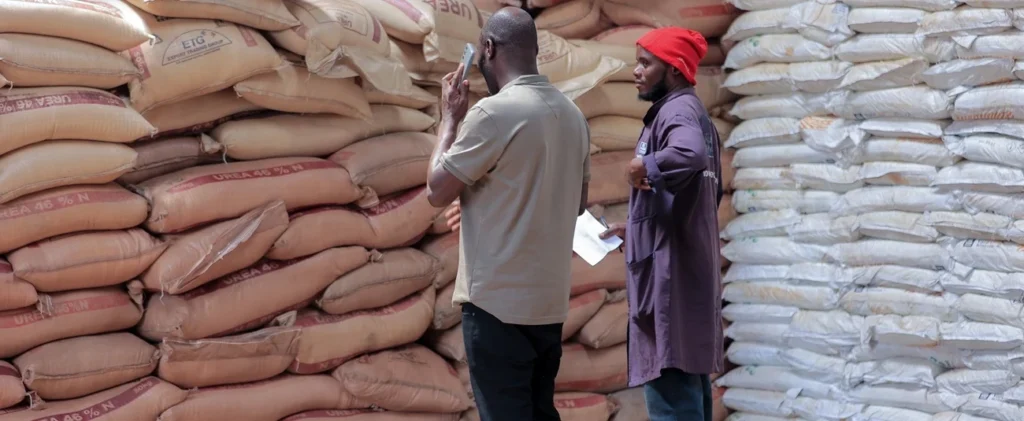
One immediate concern is a surge in the cost of agricultural inputs, particularly fertilisers, at a time when many African countries are entering the farming season. The report also highlights rising prices of hydrocarbons and food, as well as disruptions to global trade, logistics and supply chains.
Presenting the findings, Kevin Urama warned that the closure of the Strait of Hormuz has had far-reaching implications for transport and international trade flows.
Meanwhile, Francisca Tatchouop Belobe noted that despite these challenges, African economies continue to demonstrate resilience.
The report further indicates that Africa’s heavy reliance on Middle Eastern energy supplies heightens its vulnerability. Claver Gatete revealed that approximately 80 per cent of the continent’s oil imports and 50 per cent of refined petroleum originate from the region, with 31 African countries already experiencing currency depreciation as a result of ongoing shocks.
To mitigate the impact, the report urges African governments to adopt cautious and strategic responses. Mr Urama advised against panic-driven decisions that could undermine fiscal stability, instead calling for targeted inflation management and prudent use of windfall revenues in oil-exporting countries.
It also recommends strengthening debt monitoring, deploying temporary and targeted social protection measures, and avoiding broad-based subsidies that could worsen long-term fiscal deficits. Governments are further encouraged to diversify energy sources, agricultural inputs and food supply chains.
The report stresses the importance of enhancing intra-African trade, particularly in oil and fertiliser markets, and calls for improved coordination of monetary and fiscal policies across the continent.
In addition, it highlights the need to accelerate the implementation of the African Continental Free Trade Area to boost regional resilience, while advancing the New African Financial Architecture for Development (NAFAD), following the adoption of the “Abidjan Consensus” earlier this month.
Amina J. Mohammed called for urgent measures to safeguard development gains, emphasising the importance of achieving the Sustainable Development Goals under the 2030 Agenda and Africa’s Agenda 2063.
Senior officials also stressed the need for global cooperation. Marie-Laure Akin-Olugbagde said coordinated international responses are essential, while Ahunna Eziakonwa urged African countries to invest in energy independence and home-grown solutions, including innovation and digital technologies.
The report concludes that while Africa faces significant external risks, decisive policy action, stronger regional integration and increased investment in domestic capacity could help cushion the continent against future shocks.