India Shows Strong Political Leadership in the Fight Against Antimicrobial Resistance
Antimicrobial resistance (AMR) remains one of the world’s most serious public health threats, undermining decades of medical progress while endangering food security, environmental safety and global health systems.
Despite global commitments made at United Nations High-Level Meetings in 2016 and 2024, experts stress that sustained national leadership is essential to translate pledges into real-world impact. In 2025, India has emerged as a notable example of such leadership.
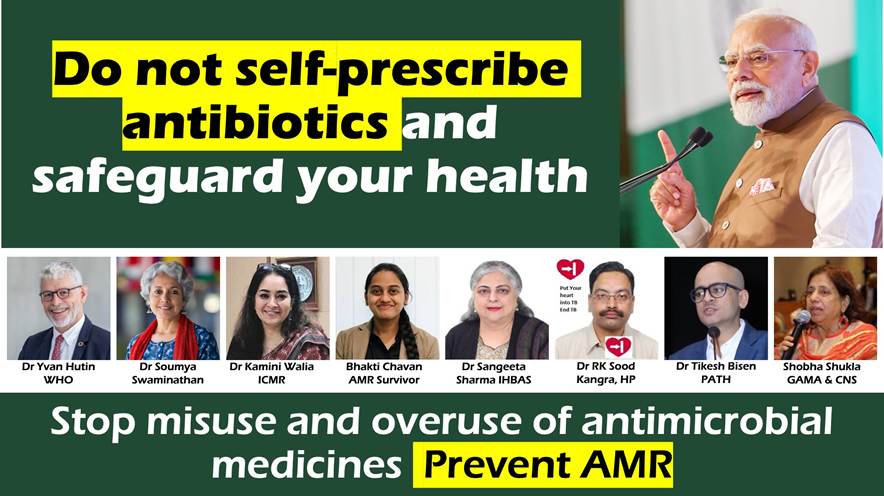
Indian Prime Minister Narendra Modi has taken a firm public stance on the misuse of antibiotics, warning citizens against self-medication. Speaking during the final episode of Mann Ki Baat in December 2025, the Prime Minister emphasised that antibiotics should only be taken under medical supervision, sending a clear message about the dangers of indiscriminate drug use.
Recent findings from the Indian Council of Medical Research (ICMR) highlights the urgency of this warning. According to its AMR Research and Surveillance Network report, commonly used antibiotics are becoming increasingly ineffective against infections such as pneumonia and urinary tract infections. The report links this trend largely to widespread misuse and overuse of antibiotics.
Dr Kamini Walia, Head of the ICMR AMR Surveillance Network, described the situation as alarming, noting rising resistance levels across patients in 25 hospitals nationwide. She warned that drug-resistant infections lead to longer hospital stays, higher treatment costs and, in severe cases, preventable deaths. She stressed that patients must never consume antibiotics without a prescription.
Global health leaders have welcomed India’s political commitment. Dr Yvan JF Hutin, Director of the World Health Organization’s Antimicrobial Resistance Department, praised the Prime Minister’s explicit recognition of AMR as a national priority, particularly the emphasis on tackling over-the-counter antibiotic use.
He highlighted the importance of responsible antimicrobial use alongside accelerated research, innovation and equitable access to healthcare.
Former WHO Chief Scientist Dr Soumya Swaminathan also welcomed the Prime Minister’s intervention, pointing to multiple drivers of AMR, including inappropriate antibiotic use in humans, agriculture and livestock, poor pharmaceutical waste management, and the natural evolution of resistant bacteria.
India’s efforts have also been recognised for their potential global impact. Dr Hutin noted that the country’s research capacity, manufacturing strength and antimicrobial stewardship initiatives position it well not only to strengthen its domestic response, but also to support other countries facing similar challenges.
Survivors of drug-resistant infections have added powerful voices to the call for action. Bhakti Chavan, an AMR survivor and member of the WHO AMR Survivors Task Force, said timely diagnosis, access to newer medicines and strict adherence to prescribed treatment were critical to her recovery from extensively drug-resistant tuberculosis (XDR-TB).
She stressed the importance of awareness, surveillance and continued investment in research and development.
Public health experts emphasise that drug-resistant infections, including drug-resistant TB, are entirely preventable. Dr Rajesh Kumar Sood, District TB Officer in Himachal Pradesh, said AMR threatens progress in TB control and called for urgent action at community and sub-national levels.
Despite global efforts, drug-resistant TB cases have plateaued at around 400,000 annually worldwide for nearly two decades. Health advocates argue that this stagnation reflects unacceptable inaction, calling for stronger infection prevention, universal access to diagnostics and timely, appropriate treatment.
Experts warn that AMR is a silent pandemic with far-reaching consequences. Dr Tikesh Bisen of PATH described the Prime Minister’s message as timely and critical, noting that visionary leadership is essential to drive awareness, influence behaviour and safeguard global health security.
As the world looks towards 2026 and beyond, public health advocates hope that India’s example will inspire renewed momentum against antimicrobial resistance. Ensuring responsible medicine use, strengthening surveillance systems and protecting the right to health remain central to achieving health security for all.