African Countries Strengthen Climate Transparency Capacity at UN-Backed Regional Workshop
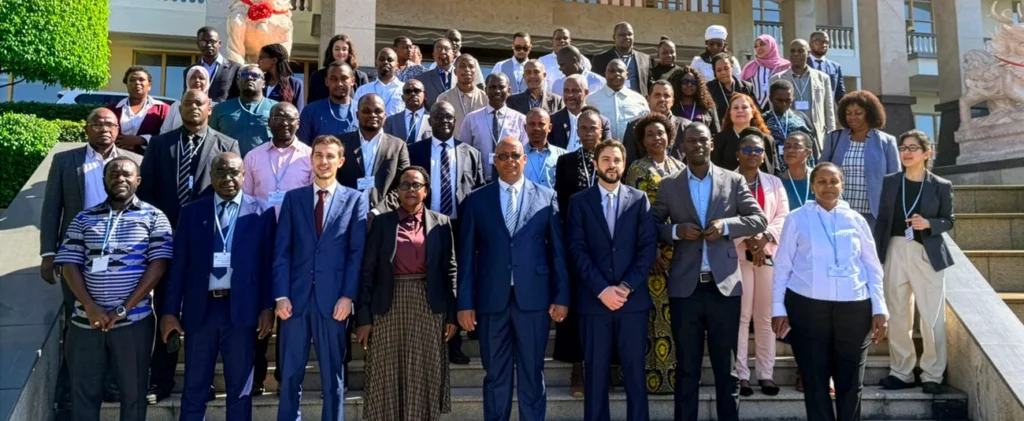
African countries have reinforced their capacity to deliver high-quality climate reporting under the Paris Agreement following a three-day regional training workshop on Biennial Transparency Reports (BTRs), held in Maputo, Mozambique.
The workshop, organised by the Consultative Group of Experts (CGE) under the United Nations Framework Convention on Climate Change (UNFCCC), was implemented in collaboration with partners including the African Development Bank, the United Nations Development Programme (UNDP), the United Nations Environment Programme (UNEP), and the Partnership on Transparency in the Paris Agreement (PATPA).
Held from 27 to 29 April 2026, the training brought together climate experts from 41 African countries. The participants focused on strengthening technical skills, improving coordination mechanisms, and sharing national experiences in preparation for upcoming reporting cycles under the Paris Agreement’s enhanced transparency framework.
Opening the workshop, Mozambique’s Secretary of State for Land and Environment, Gustavo Dgedge, stressed that transparency is not only a global obligation but also a practical governance tool for countries facing increasing climate impacts such as cyclones, floods, and droughts.
He noted that stronger reporting systems support more effective national planning and response.
UNDP Deputy Resident Representative Cleopas Torori highlighted transparency as a cornerstone of effective climate action, stating that it enables countries to build trust, strengthen policy frameworks, and translate climate ambition into measurable outcomes.
Representing Belgium, Nikolaas Swyngedouw, Head of Cooperation at the Diplomatic Bureau of the Kingdom of Belgium, reaffirmed international support for developing countries, emphasising that robust transparency systems are essential to ensuring no country is left behind in implementing the Paris Agreement and advancing resilient economic development.
From the African Development Bank, Mozambique Country Manager Rômulo Correa underscored that transparency goes beyond reporting obligations. He described it as a foundation for accountability, trust, and effective climate action, adding that improved systems allow countries to better track progress, identify gaps, and mobilise climate finance.
He referenced ongoing support through initiatives such as the Africa NDC Hub, which helps strengthen institutional capacity and translate climate commitments into investable projects.
Participants also shared national experiences and identified practical solutions to improve data collection, reporting accuracy, and institutional coordination. The workshop concluded with a renewed commitment among partners to strengthen transparency systems and accelerate climate action across the continent.