Gov’t Commits K255 Million to Accelerate Digital Transformation and Improve Network Quality
The Government of Zambia has reaffirmed its commitment to accelerating digital transformation and improving the quality of digital services following the Third Digital Economy Roundtable (DERT III) held in Lusaka.
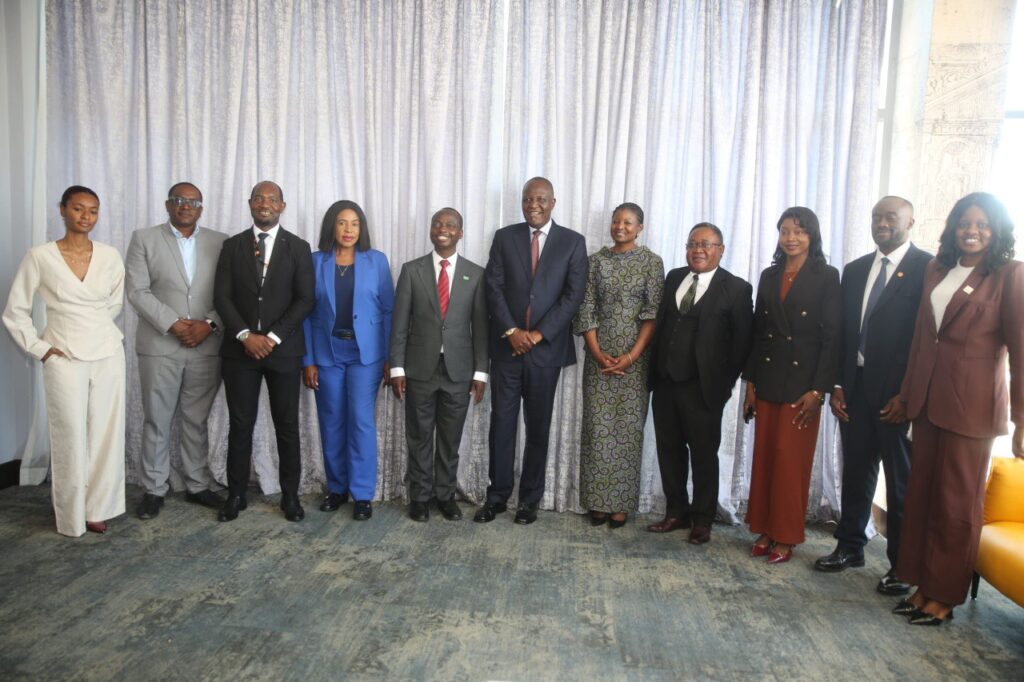
The high-level engagement, organised by the Ministry of Technology and Science in collaboration with the Presidential Delivery Unit (PDU), Zambia Information and Communications Technology Authority (ZICTA), development partners, and private sector stakeholders, brought together regulators, mobile network operators, innovators, technology experts, development partners, and industry leaders to discuss Zambia’s digital transformation agenda.
Held at The Quorum in Lusaka, the meeting focused on strengthening digital infrastructure, improving quality of service, expanding connectivity, and positioning Zambia as a competitive player in the global digital economy.
The Government announced that K255 million has been approved to support improvements in telecommunications quality of service, network modernisation, and digital infrastructure expansion across the country, particularly in underserved areas.
Speaking during the roundtable, Minister of Technology and Science Felix Mutati said digital transformation has become a national development priority central to economic growth, job creation, financial inclusion, education, healthcare delivery, and innovation.
Mr Mutati stated that Zambia’s digital progress has accelerated under reforms introduced by President Hakainde Hichilema, including regulatory reforms, investment incentives, improved macroeconomic stability, and strengthened investor confidence.
He revealed that Zambia’s fibre optic network has expanded significantly from approximately 15,000 kilometres in 2021 to more than 45,000 kilometres, improving connectivity within Zambia and with neighbouring countries.
The Minister also noted that national connectivity levels have risen to over 94 percent, while financial inclusion has exceeded 80 percent, placing Zambia among Africa’s leading countries in digital financial services adoption.
However, Mr Mutati acknowledged that increased digital participation has also exposed challenges relating to network congestion and service quality.
He stressed that improving quality of service and customer experience has become a national priority because citizens increasingly depend on digital platforms for communication, business transactions, education, and livelihoods.
The Minister further highlighted the growing role of artificial intelligence, robotics, and digital innovation in sectors such as mining, financial services, and education.
He praised young Zambian innovators participating in international robotics and AI competitions, describing them as evidence that Government reforms are creating opportunities for local talent to compete globally.
Meanwhile, Head of the Presidential Delivery Unit, Ms Kusobile Kamwambi, described the Digital Economy Roundtable as an important national coordination and accountability platform tracking implementation of Zambia’s digital transformation agenda.
Ms Kamwambi stated that the engagement has evolved from dialogue into a practical implementation mechanism focused on addressing sector challenges and improving collaboration between Government and industry players.
She also highlighted the development of the Digital Navigator System, a platform designed to improve monitoring, coordination, and visibility of digital transformation initiatives across the country.
Permanent Secretary in the Ministry of Technology and Science, Engineer Dr Brilliant Habeenzu, reaffirmed Government’s commitment to strengthening digital inclusion, improving network reliability, and promoting accountability among sector stakeholders.
Dr Habeenzu announced several action points agreed during DERT III, including the publication of quarterly public reports on network performance and quality of service indicators.
He further revealed that a Technical Working Group would be established to coordinate national ICT and digital inclusion statistics to improve monitoring of Zambia’s digital transformation progress.
The Permanent Secretary also announced the creation of a dedicated workstream aimed at supporting digital content creators, gamers, and innovators through improved monetisation opportunities on global digital platforms such as YouTube, TikTok, and Meta platforms.
Additionally, stakeholders agreed to launch a national communications campaign aimed at increasing public confidence in digital services and promoting uptake of Government electronic services.
Representing ZICTA, Ms Banji Nyondo reaffirmed the regulator’s commitment to strengthening oversight of mobile network operators and ensuring improved customer experience and network reliability.
Participants at the roundtable acknowledged that Zambia has made notable progress in digital infrastructure expansion, investment attraction, innovation, and regulatory reforms, while emphasising the need for continued collaboration to ensure digital transformation benefits all citizens.
The meeting concluded with stakeholders reaffirming their commitment to building a resilient, inclusive, and innovation-driven digital economy capable of supporting sustainable economic growth, youth empowerment, and national development.