Secretary to Cabinet Highlights Zambia’s Energy Sector Progress
Secretary to the Cabinet Patrick Kangwa has praised the progress being made in Zambia’s energy sector, describing energy as the “lifeblood of development” and a critical pillar in driving the country’s economic transformation agenda.
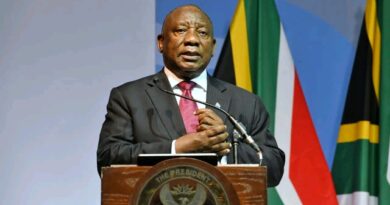
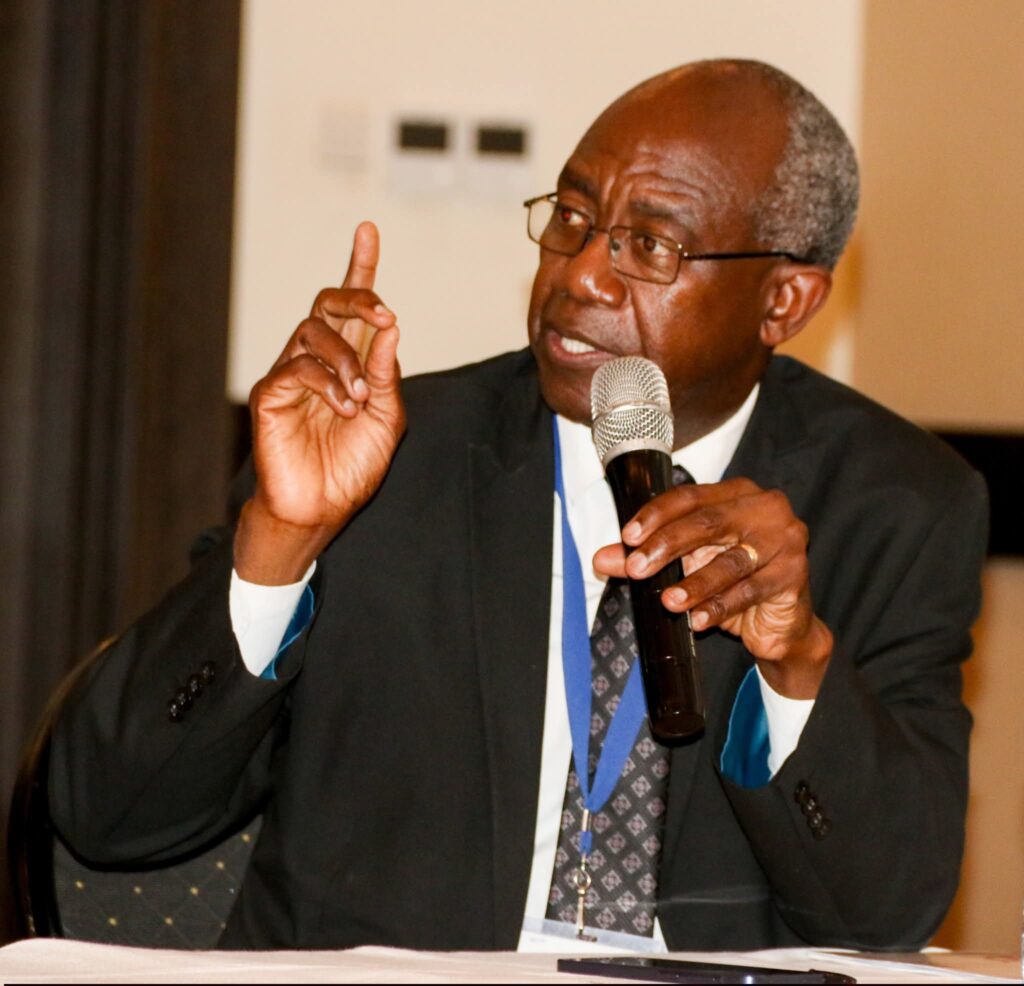
Speaking during the official opening of the 4th Senior Public Service Management Meeting at the Mulungushi International Conference Centre, Mr Kangwa said the New Dawn Administration had recorded significant achievements in addressing the country’s energy challenges through policy reforms, infrastructure development and increased investment.
He said Government had introduced investor-friendly policies, streamlined licensing procedures and enhanced transparency within the energy sector, measures which had helped attract both local and foreign investment.
Mr Kangwa noted that the implementation of the Electricity Open Access Regulations in July 2024 had opened Zambia’s electricity transmission and distribution networks to eligible players, thereby strengthening energy security and supporting diversification of the country’s energy mix.
He stated that Zambia currently generates approximately 3,000 megawatts of electricity, which remains insufficient to meet growing national demand. However, he said President Hakainde Hichilema had directed that the country should increase installed generation capacity to 10,000 megawatts by 2030.
The Secretary to the Cabinet further highlighted the launch of the Energy Single Licensing System in June 2024, describing it as an innovative digital platform that replaced lengthy paper-based licensing procedures for power projects.
He added that Government had made notable progress in reducing load-shedding through strategic investments in transmission and distribution infrastructure, rehabilitation of power stations and diversification of energy sources.
Mr Kangwa cited the full commissioning of the Kafue Gorge Lower Hydropower Station in March 2023 as a major milestone, noting that the 750 megawatt project increased national electricity generation capacity by nearly 38 per cent.
He also outlined several ongoing and completed energy projects aimed at boosting generation capacity. These include the 300 megawatt Maamba Coal Power Plant expansion project expected to be completed by mid-2026, the 100 megawatt Chisamba Solar Plant commissioned in June 2025, the 60 megawatt Itimpi Solar Power Station, the 25 megawatt Kanona Solar PV Project and the recently commissioned 50 megawatt solar plant in Chief Mabumba’s area in Mansa.
According to Mr Kangwa, the projects form part of Government’s broader strategy to diversify Zambia’s energy sources and achieve the 10,000 megawatt target by 2030.
On rural electrification, he said thousands of households in remote areas had gained access to electricity through grid extension projects, off-grid initiatives and the installation of solar home systems at rural health centres and chiefs’ palaces under the Rural Electrification Programme.
Mr Kangwa further disclosed that Zambia was advancing regional electricity interconnectivity projects, including the Zambia-Tanzania-Kenya Interconnector, the Botswana-Zambia Interconnector and the Kalumbila-Kolwezi Interconnector with the Democratic Republic of the Congo, in order to strengthen electricity trading, improve reliability and enhance regional integration.
In the petroleum sector, he said Government had implemented reforms such as the repurposing of the TAZAMA Pipeline to transport finished petroleum products instead of crude oil, a move he said had improved efficiency, fuel accessibility and price stability.
He added that Cabinet had approved the development of the Tanzania-Zambia Multi-Products Pipeline and the Namibia-Zambia Refined Petroleum and Natural Gas Pipeline under public-private partnerships. Government is also pursuing the Lobito-Lusaka Oil Pipeline project linking Lobito and Lusaka.
Meanwhile, Mr Kangwa expressed concern over the low adoption of electric vehicles within Government institutions despite earlier directives encouraging their procurement as a cost-saving measure. He revealed that only nine Government institutions had so far acquired electric vehicles.
He urged ministries, provinces and spending agencies to make the procurement of electric vehicles mandatory in order to reduce expenditure and redirect resources towards other developmental programmes.
Mr Kangwa also called for prudence in public expenditure, stressing that only essential local and international trips should be undertaken. He further urged Permanent Secretaries to ensure they receive regular feedback from directors representing Government on various boards.