WHO Calls for Urgent Action to End Malaria in Angola
The World Health Organization (WHO) has called for renewed urgency and collective action to eliminate malaria in Angola, warning that preventable deaths will continue unless efforts are accelerated.
In a statement marking World Malaria Day on 25 April, WHO Malaria Officer Dr. Nzuzi Katondi said the fight against malaria has reached a critical moment, with the tools and knowledge now available to end the disease.
Dr Katondi said the 2026 theme, “Determined to end malaria: now we can. Now we must”, reflects both scientific progress and a moral obligation to act decisively.
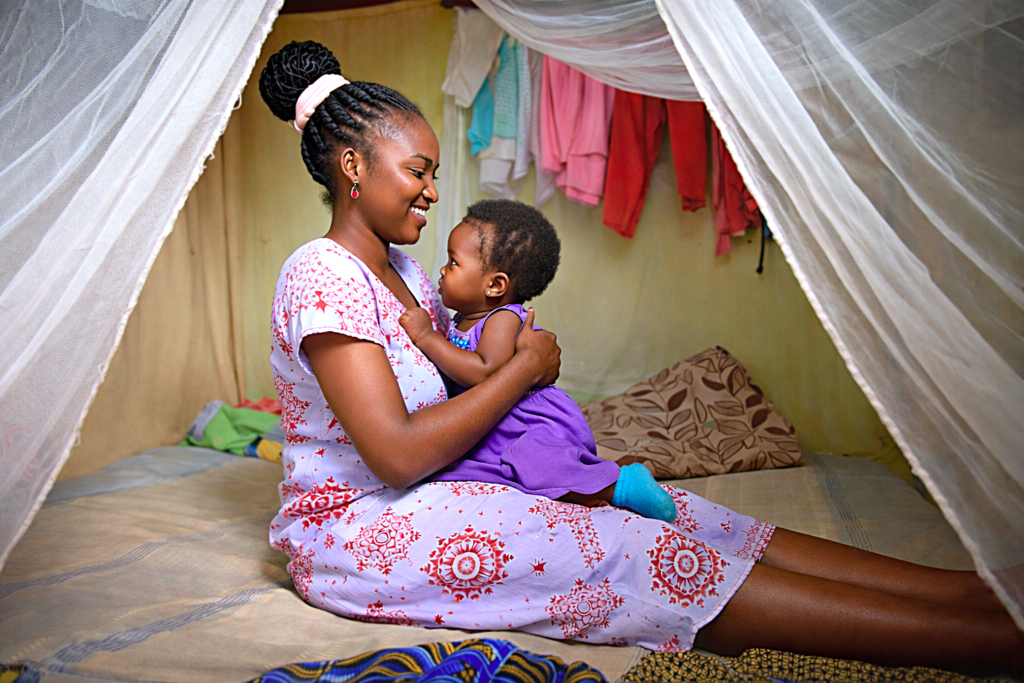
“Malaria remains the leading cause of illness and death in Angola, particularly among children under five and pregnant women,” he said, noting the disease continues to carry serious social and economic consequences.
Across Africa, nearly 600,000 people, mostly children, died from malaria in 2024, underlining the scale of the challenge despite available prevention and treatment methods.
The WHO stressed that malaria is not only a health issue but is also driven by broader social and environmental factors, including poor sanitation, inadequate housing, stagnant water, and limited access to healthcare services.
Dr Katondi highlighted that recent advances, such as improved mosquito nets, rapid diagnostic tools, effective treatments, and the introduction of malaria vaccines in several African countries, have made elimination increasingly achievable.
However, he warned that progress is being threatened by insecticide and drug resistance, climate change, and humanitarian challenges, including flooding, which increase vulnerability to the disease.
He added that Angola has made progress in strengthening its national response, particularly through primary healthcare and community-based approaches, but emphasised that more needs to be done.
The WHO called for a coordinated, multi-sectoral response involving government, communities, private sector players and development partners. Key measures include investment in sanitation, improved housing, environmental management, and public health education.
Dr Katondi also pointed to the economic benefits of tackling malaria, noting that every dollar invested in prevention and control can generate significant returns through improved productivity, reduced healthcare costs, and better education outcomes.
However, he warned that a global funding gap estimated at US$45 billion between 2026 and 2030 could undermine progress if not addressed.
The WHO reaffirmed its support to Angola through technical guidance, policy development, and the introduction of innovative tools, including vaccines and advanced diagnostics.
Dr Katondi said eliminating malaria is not only a public health priority but also a matter of social justice and economic development.
“Now we can, because we have the tools and evidence,” he said. “Now we must, because every delay costs lives.”