Paramount Chief Mpezeni Endorses EP-JSLP Climate Governance Drive in Eastern Province
The Eastern Province Jurisdictional Sustainable Landscape Programme (EP-JSLP), implemented by the Government of Zambia through the Ministry of Green Economy and Environment with support from the World Bank, is strengthening collaboration with traditional leadership to advance climate action and sustainable land management across Eastern Province.
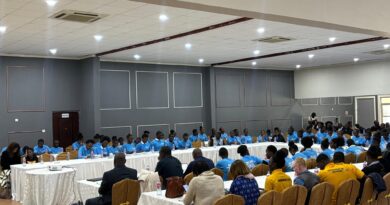
In a significant development, His Royal Highness Paramount Chief Mpezeni of the Ngoni people has formally endorsed the Chiefdom Emissions Reduction Coordinating Committee (CERCC) for his chiefdom. The endorsement followed a successful community engagement and sensitisation process that culminated in the election of committee members.
The newly elected ten-member committee comprises representatives from Community Forest Management Groups, cooperatives, women’s groups, lead and follower farmers, Village Action Groups, and Community Resources Boards.
The members were formally presented at Ekuphendukeni Palace in Chipata District, where the Paramount Chief endorsed both the CERCC and the Chiefdom Emissions Performance Plan (CERPP), affirming their legitimacy and readiness to implement emissions reduction initiatives at chiefdom level.
The EP-JSLP is establishing CERCCs in all 56 chiefdoms across Eastern Province as part of efforts to strengthen governance structures at local level. These committees are expected to coordinate implementation, enhance accountability, and ensure sustained performance in line with Chiefdom Emissions Reduction Performance Agreements (CERPAs) signed between the programme and participating chiefdoms.
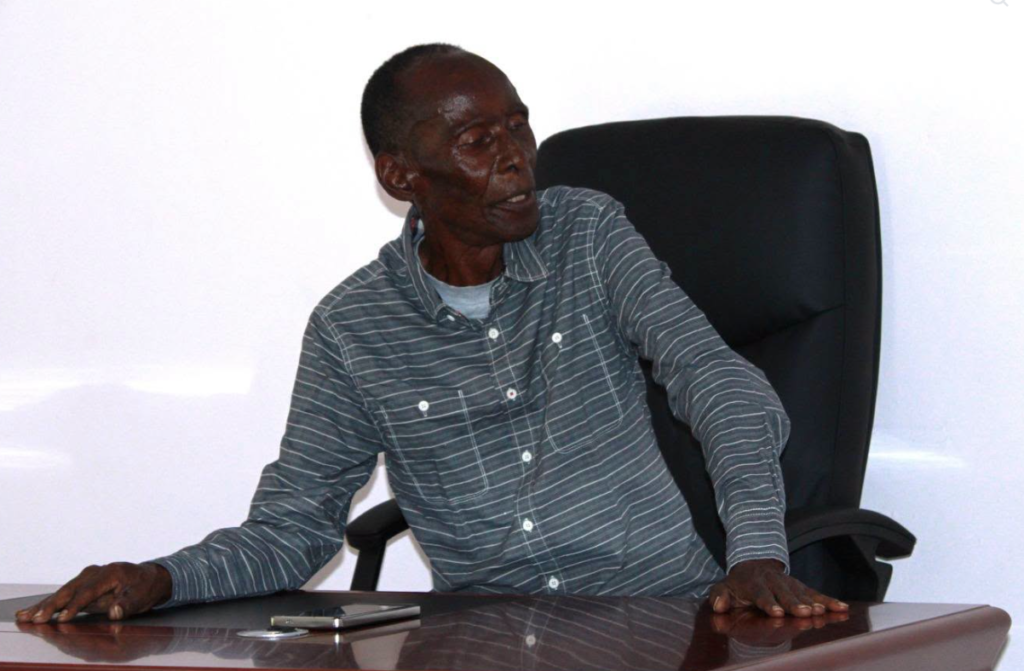
Speaking during the endorsement ceremony, Paramount Chief Mpezeni underscored the importance of unity and collective responsibility.
“This committee must work as one, with a shared vision for the development of our chiefdom and the wellbeing of our people,” he said, urging members to collaborate closely with headmen and headwomen to achieve meaningful environmental and community outcomes.
Similarly, Senior Chief Mwase of the Chewa people in Lundazi District expressed gratitude to the EP-JSLP team for facilitating the process in his chiefdom.
He reaffirmed his support following the successful election and presentation of CERCC members for endorsement, stressing the importance of accountability, loyalty, and cooperation between traditional leadership and communities.
The formation and operationalisation of CERCCs is considered critical for coordinating implementation, monitoring, and reporting of CERPPs, ensuring compliance with agreed performance frameworks and contributing to the broader success of the jurisdictional emissions reduction programme.
According to the EP-JSLP, implementation teams supported by the Project Implementation Unit (PIU) are currently engaging all chiefdoms. To date, 22 out of 56 chiefdoms in Eastern Province have endorsed their CERCCs, reflecting steady progress towards establishing functional governance structures across the region.
The programme continues to roll out community sensitisation meetings and CERCC elections in remaining chiefdoms, with committees being formally presented to traditional leaders for endorsement.
This progress highlights the growing role of traditional leadership and community participation in strengthening governance systems, promoting sustainable land use practices, and enhancing climate resilience across Eastern Province.