Zambia Engages in Debt Talks to Secure Economic Stability and Growth
Zambia’s Minister of Finance and National Planning, Situmbeko Musokotwane, has highlighted the importance of the Global Sovereign Debt Roundtable (GSDR), describing it as a critical platform for improving debt restructuring processes and protecting the country’s economic stability.
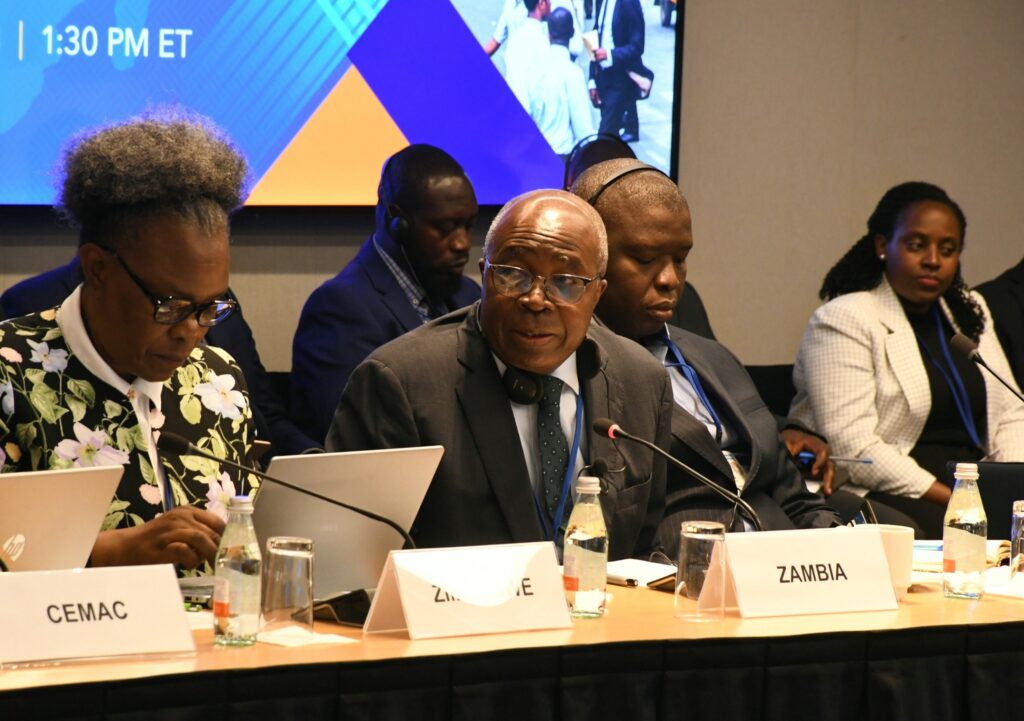
Speaking during the 2026 IMF–World Bank Spring Meetings in Washington, D.C., Dr Musokotwane said he held discussions with Kristalina Georgieva ahead of the Roundtable’s closed-door session.
The GSDR, co-chaired by the International Monetary Fund, the World Bank and the United States under its G20 Presidency, brings together borrowing countries, bilateral creditors and private lenders to address global debt challenges.
Dr Musokotwane explained that while such discussions may appear technical, their outcomes have direct implications for ordinary citizens. He noted that prolonged debt challenges can strain public finances, limiting government spending on essential services such as healthcare, education, infrastructure and social protection.
He said improving coordination among creditors and reducing delays in debt restructuring processes is key to ensuring that countries like Zambia can regain fiscal stability and focus on development priorities.
“For Zambia, the significance is practical,” he said, noting that the country is actively working through its debt restructuring process. He added that platforms like the GSDR help clarify technical issues, improve timelines and make the process more predictable.
The Minister emphasised that Zambia’s participation does not imply seeking preferential treatment, but reflects a commitment to transparency, reform discipline and responsible engagement in global financial systems.
He said the government’s goal remains to restore and maintain debt sustainability, strengthen public finances and translate economic stability into growth, job creation and improved living standards.
Dr Musokotwane further noted that the GSDR’s recent work has focused on refining debt restructuring frameworks and developing practical tools to help countries navigate complex debt processes more effectively.
He concluded that the Roundtable ultimately aims to create more fiscal space for governments, enabling them to better invest in national development and improve the livelihoods of citizens.