IMF and African Leaders Warn of Slower Growth Amid Global Uncertainty
Ministers and central bank governors from across Africa have warned that economic growth on the continent is set to slow in 2026, as global uncertainties continue to weigh on development prospects.
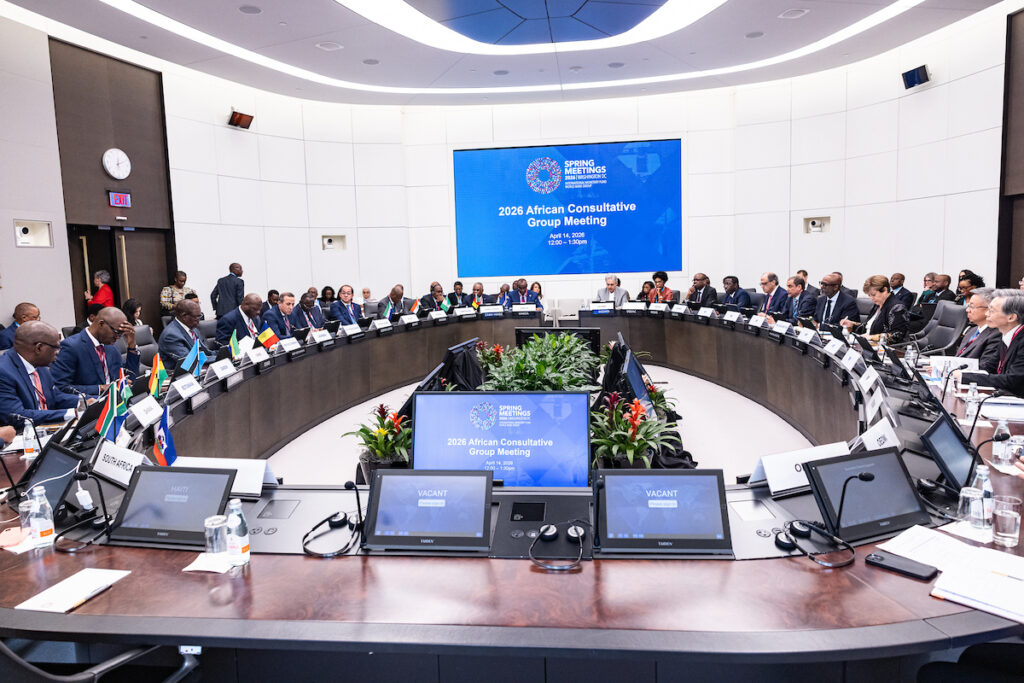
The warning came during the African Consultative Group meeting held in Washington, DC, where Seedy Keita, Chairman of the African Caucus, and Kristalina Georgieva of the International Monetary Fund issued a joint statement.
The meeting brought together African finance ministers and governors to assess the impact of the evolving global environment, particularly the ongoing conflict in the Middle East, on African economies.
According to the statement, Africa’s economic growth is projected to decline from 4.5 percent in 2025 to 4.2 percent in 2026. Growth in Sub-Saharan Africa is expected to ease to 4.3 percent, while North Africa is projected to slow to 4.1 percent.
The leaders noted that although many countries achieved stabilisation gains in 2025, rising debt burdens, limited access to affordable financing and increasing development needs continue to constrain economic progress. They warned that prolonged global conflict could worsen inflation, disrupt food supply chains and heighten social pressures.
The group emphasised the need for African governments to balance immediate economic responses with long-term resilience. In the short term, policymakers were urged to control inflation and protect vulnerable populations through targeted support measures.
On fiscal policy, oil-exporting countries were encouraged to save temporary revenue gains and rebuild reserves, while oil-importing nations were advised to safeguard essential social spending and strengthen domestic revenue mobilisation.
The meeting also highlighted the importance of accelerating structural reforms to drive economic diversification, deepen regional integration and expand domestic financial markets. Investment in energy and digital infrastructure was identified as critical to unlocking growth opportunities, including the safe adoption of artificial intelligence.
Participants further welcomed ongoing efforts to strengthen the debt sustainability framework jointly developed by the IMF and the World Bank, noting that improved tools would enhance transparency and support better policy decisions in managing rising debt risks.
The IMF reaffirmed its commitment to supporting African countries through policy advice, financing and capacity development, as the continent navigates an increasingly complex global economic landscape.