Zambia Loses US$200 Million to Fuel Price Relief
Zambia has foregone approximately US$200 million in revenue after implementing tax relief measures to cushion citizens and businesses from rising petroleum prices triggered by global conflicts.
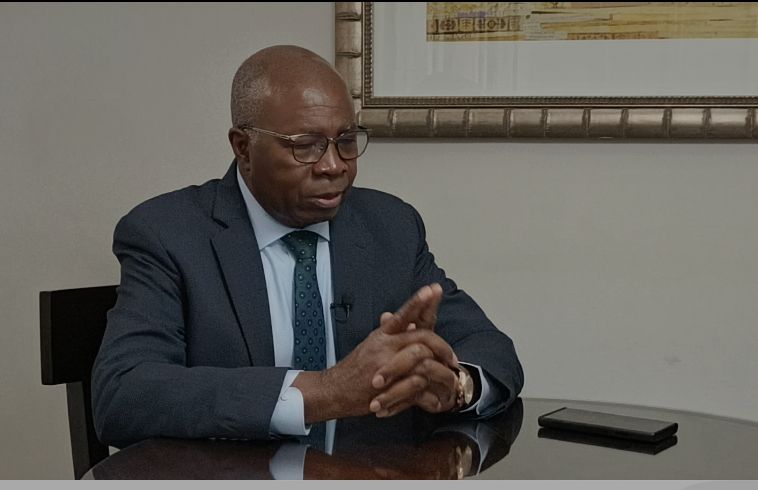
Minister of Finance and National Planning, Situmbeko Musokotwane, said the revenue loss resulted from the suspension of excise duty and zero-rating of Value Added Tax on petroleum products.
Dr Musokotwane made the remarks during the IMF and World Bank Spring Meetings held in Washington, D.C., where he shared Zambia’s experience in managing the effects of a war-induced global economic crisis.
Addressing delegates at the IMF Africa Fiscal Forum, the Minister warned that African economies face a potential energy crisis over the next 12 months, driven by ongoing conflict in the Gulf region.
He said such developments could heighten inflation, increase production costs and place additional pressure on already constrained public finances.
While acknowledging the role of institutions such as the International Monetary Fund in providing support, Dr Musokotwane emphasised the need for African governments to prioritise domestic reforms that strengthen economic resilience and improve the efficiency of public spending.
Drawing from Zambia’s reform efforts, he highlighted the shift away from broad fuel subsidies towards targeted investments in social sectors such as free education, describing it as a more effective use of public resources.
He also pointed to the introduction of digital systems in agricultural support programmes, which have improved targeting, reduced waste and eliminated ineligible beneficiaries.
However, the Minister stressed that Africa’s challenges go beyond short-term economic shocks. He noted that the continent continues to struggle with a limited productive base and a declining share of global trade, despite its abundant natural resources and youthful population.
Dr Musokotwane called for a more strategic use of fiscal policy to drive structural transformation, including investment in productive sectors, energy capacity, industrialisation and human capital development.
He said economies that are more diversified and competitive are better positioned to withstand external shocks without falling into repeated crises.
In his concluding remarks, the Minister urged African countries to move beyond reactive policies and instead use fiscal tools to build stronger and more resilient economies.
He noted that long-term progress will depend not only on external conditions but also on the choices African governments make today in shaping their economic policies and development priorities.