Bank of Zambia Concludes Consultations on 2025 Currency Directives
The Bank of Zambia (BoZ) has concluded its final consultative stakeholder engagement on the 2025 Currency Directives, following a series of nationwide discussions under the Public-Private Dialogue Forum (PPDF).
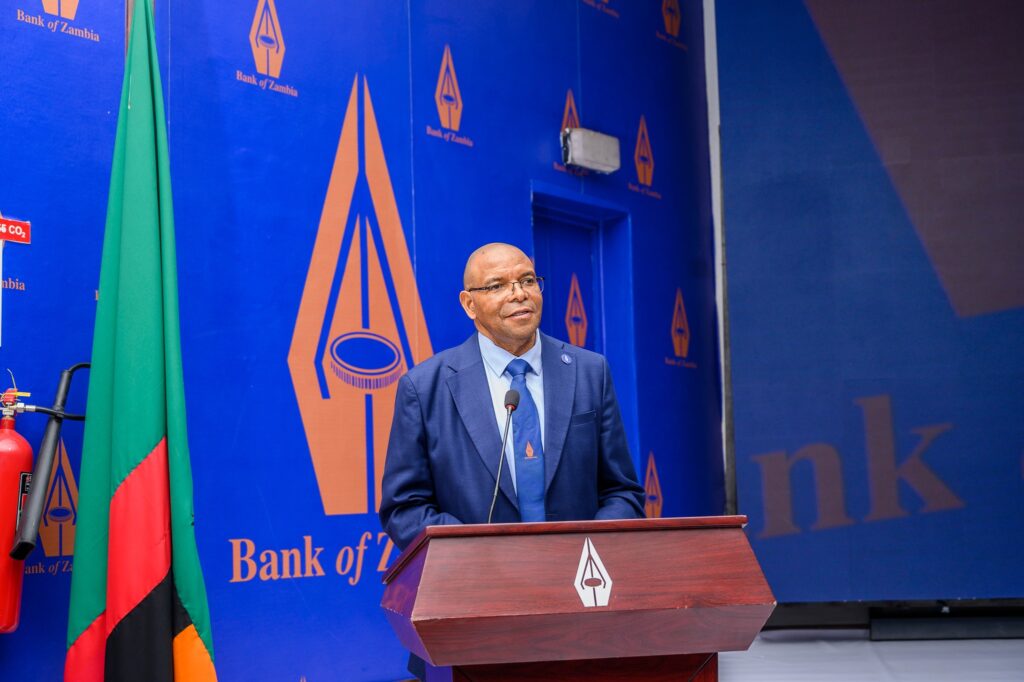
Speaking at the event in Lusaka, Governor Dr Denny Kalyalya outlined that the directives, which form part of a broader set of reforms, aim to reinforce the Kwacha and Ngwee as the sole legal tender for domestic transactions across the country. These efforts are intended to strengthen monetary policy, safeguard the economy against external shocks, and promote overall financial stability.
“The 2025 Currency Directives are not considered in isolation. They complement ongoing initiatives such as the Electronic Balance of Payments monitoring system, the Export Proceeds Tracking Framework, the Foreign Exchange Market Guidelines, and revised Interbank Foreign Exchange Market Rules,” Dr Kalyalya explained.
The Bank has engaged stakeholders from a wide range of sectors including agriculture, tourism, mining, manufacturing, real estate, insurance, and oil marketing, through meetings in Lusaka, Chipata, Livingstone, Ndola, Kitwe, and other locations since June 2024.
Key concerns raised by stakeholders included:
- The perception that the directives may act as indirect exchange controls.
- The timing of the directives amid high inflation, low liquidity, high interest rates, drought, and electricity rationing.
- Potential exchange rate risks and disruptions to supply chains.
- Possible negative effects on foreign currency lending and the roles of commercial banks.
- The need for a phased approach and clear exemption criteria to ease the transition.
Dr Kalyalya emphasised that the directives have been refined in response to stakeholder feedback while balancing macroeconomic stability and the functionality of the foreign exchange market.
Under the new directives, all domestic settlements must be conducted in Kwacha, except where exemptions apply. Quoting and invoicing may still be done in foreign currency, but transactions involving the government will require exclusive use of the Kwacha. Explanatory notes will accompany the directives to provide clarity and ensure compliance.
Governor Kalyalya concluded by inviting further input during the session, stressing the importance of a constructive dialogue between the Bank, businesses, and other stakeholders to ensure smooth implementation.
“The simplified introduction of these directives is designed to uphold investor and business confidence while enabling enterprises to manage short-term adjustments in the currency environment,” he said.