
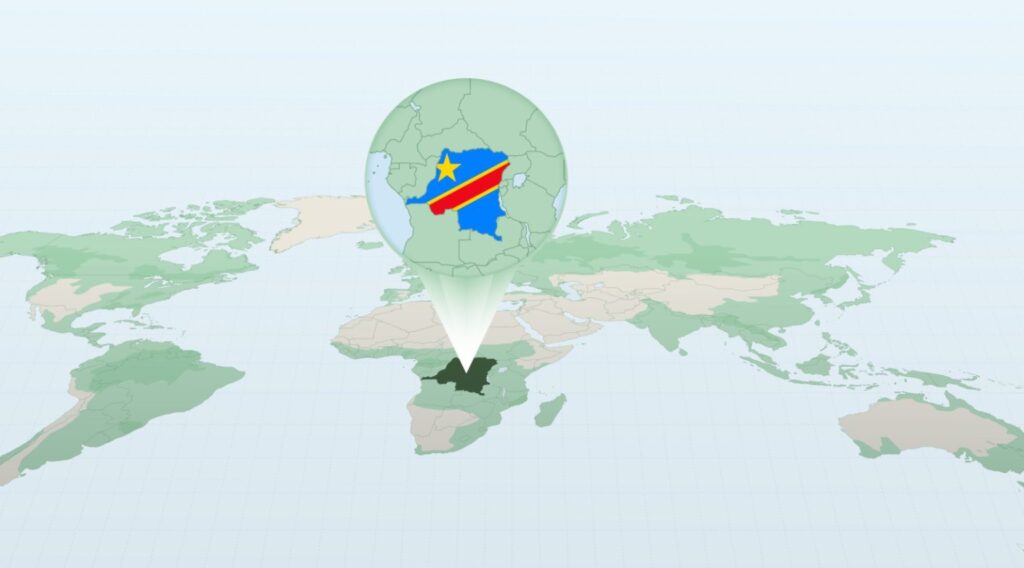
Ebola Outbreak in DRC Triggers Urgent Regional Response by Africa CDC
The Africa Centres for Disease Control and Prevention (Africa CDC) has called for an urgent high-level regional coordination meeting following the confirmation of an Ebola Virus Disease outbreak in Ituri Province, Democratic Republic of the Congo (DRC), amid growing concerns over potential cross-border transmission.
According to the latest update, approximately 246 suspected cases and 65 deaths have been reported, primarily in Mongwalu and Rwampara health zones. Laboratory testing has confirmed Ebola virus presence in 13 out of 20 samples, with early findings suggesting a non-Zaire strain, while full genomic sequencing is still underway.
Africa CDC said additional suspected cases have been identified in Bunia, with confirmation pending, raising concerns due to high population movement, mining-related mobility, and ongoing insecurity in affected areas.
The agency warned that the proximity of the outbreak zones to Uganda and South Sudan increases the risk of regional spread, particularly given gaps in contact tracing, infection prevention and control challenges, and cross-border movement.
In response, Africa CDC has convened an emergency coordination meeting involving health authorities from the DRC, Uganda and South Sudan, alongside international partners including the World Health Organization, UNICEF, the United States CDC, European CDC, and other global health and development organisations.
The meeting is expected to focus on strengthening surveillance systems, laboratory coordination, infection prevention measures, risk communication, safe and dignified burials, and mobilising additional resources to support containment efforts.
Africa CDC Director General, Dr Jean Kaseya, said the situation requires swift and coordinated regional action to prevent further spread of the virus.
“Africa CDC stands in solidarity with the Government and people of the Democratic Republic of the Congo as they respond to this outbreak,” Dr Kaseya said. “Given the high population movement between affected areas and neighbouring countries, rapid regional coordination is essential.”
He added that Africa CDC is working closely with national authorities and partners to strengthen preparedness and response mechanisms, including cross-border surveillance and emergency operations support.
The agency is also assessing potential medical countermeasures, pending confirmation of the specific Ebola strain through ongoing genetic sequencing.
Africa CDC has urged communities in affected and at-risk areas to remain vigilant, report symptoms early, avoid contact with suspected cases, and support health response teams.
Further updates are expected as laboratory analysis is completed and the regional response efforts intensify.