Zambia, EU Push Stronger Climate Governance Partnership
The Government of Zambia has intensified efforts to strengthen climate governance and accelerate implementation of its Nationally Determined Contributions (NDCs) under the Paris Agreement.
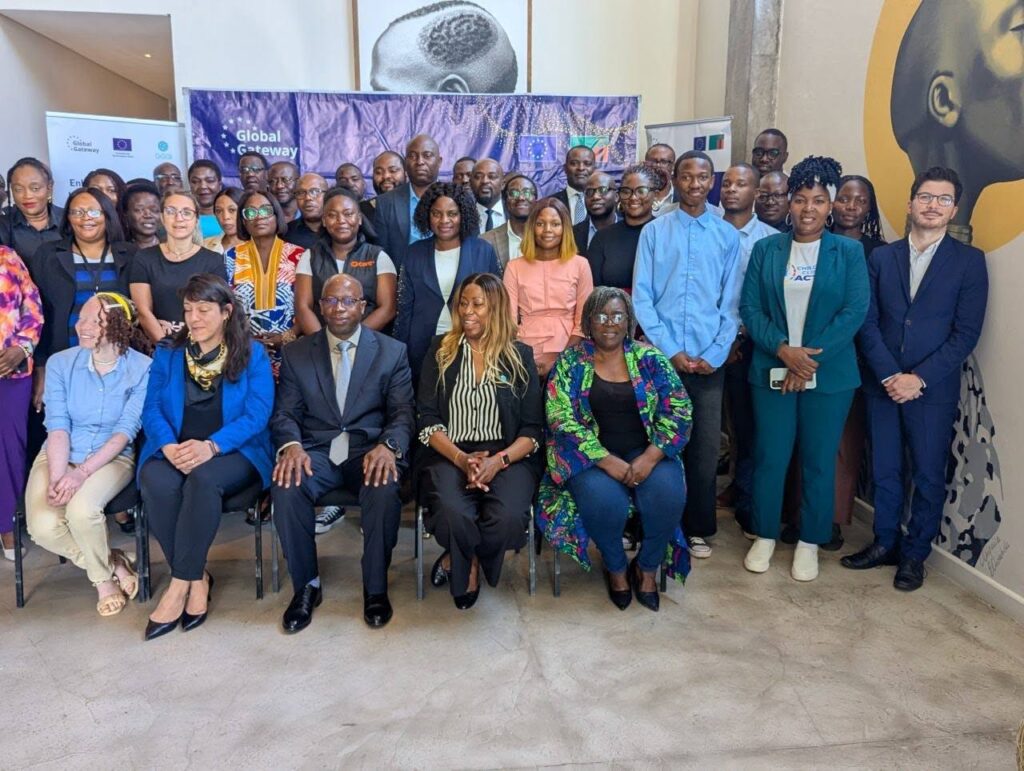
This follows the opening of the Needs and Capacities Gap Assessment Validation Workshop held at The Urban Hotel in Lusaka under the European Union-funded “Enhancing Zambia’s NDC Implementation (EZ-NDC) Project”.
The two-day workshop brought together government officials, development partners, civil society organisations, climate experts, private sector representatives, and cooperating partners to validate findings from a nationwide assessment identifying institutional and technical gaps affecting climate action implementation.
Speaking during the official opening, Permanent Secretary in the Ministry of Green Economy and Environment, Dr Douty Chibamba, described the workshop as an important step towards strengthening Zambia’s climate governance systems.
Dr Chibamba said the assessment provides an evidence-based understanding of the institutional and technical capacities required to effectively implement Zambia’s climate commitments.
He noted that while progress has been made in establishing institutional frameworks for climate action, challenges remain in coordination, technical expertise, human resource capacity, data management systems, and integration of climate priorities into planning and budgeting processes, particularly at local level.
The Permanent Secretary stressed that climate action requires collaboration between Government, the private sector, civil society, academia, and cooperating partners.
He further stated that the EZ-NDC Project is helping strengthen governance systems, improve Measurement, Reporting and Verification (MRV) processes, and build long-term institutional capacity needed for transparency and accountability in climate governance.
Meanwhile, Global Green Growth Institute Zambia Country Lead Angela Nontulya Heinonen said effective implementation of Zambia’s NDCs depends on stronger institutional coordination, financing alignment, reporting systems, and progress tracking mechanisms.
Ms Heinonen explained that the Needs and Capacity Gap Assessment was conducted to identify weaknesses in institutional arrangements, technical expertise, coordination systems, financing, and climate-related data systems.
She added that the assessment findings would support future updates to Zambia’s climate commitments and guide targeted interventions aimed at strengthening climate governance.
Speaking on behalf of the European Union Delegation to Zambia and COMESA, EU Team Leader for Environment and Climate, Rural Development and Trade Cooperation, Lana Žutelija, reaffirmed the European Union’s continued support for Zambia’s climate ambitions.
Ms Žutelija revealed that the EZ-NDC Project is a four-million-euro initiative funded by the European Union and implemented by the Global Green Growth Institute to support implementation of Zambia’s Green Economy and Climate Change Act and integrated MRV systems.
She stated that Zambia and the European Union continue to maintain a strong partnership focused on sustainable investment, green growth, and climate resilience.
Ms Žutelija further stressed that strong institutions, reliable data systems, effective coordination, and improved technical capacity are critical for Zambia to successfully implement, monitor, and report on its climate commitments under the Paris Agreement.