Zambia to Export Mealie Meal to DRC from 600,000 Tonnes of Maize
The Government has officially launched a mealie meal export programme to neighbouring countries, marking a significant step in efforts to grow the economy and diversify foreign exchange earnings.
Deputy Secretary to the Cabinet in charge of Finance and Economic Development, Siazongo Siakalenge, flagged off the first consignment of breakfast mealie meal destined for the Democratic Republic of the Congo at the Nkana Milling Plant.
Mr Siakalenge urged the private sector to take advantage of the lifting of the export ban and actively participate in sourcing regional markets. He said this would help stimulate economic activity, create employment and enhance the country’s foreign exchange earnings.
He added that the Government has put in place measures to ensure the efficient processing of export permits and smooth movement of goods across borders.
Zambia recorded a bumper maize harvest of over 3.85 million metric tonnes during the 2024 to 2025 agricultural season. This surplus has enabled the country to begin structured exports while maintaining national food security.
Under the export agreement with the DRC, approximately 600,000 metric tonnes of non-GMO white maize will be processed into 480,000 metric tonnes of breakfast mealie meal. The initiative aligns with Government policy aimed at promoting value addition and job creation within the agriculture sector.
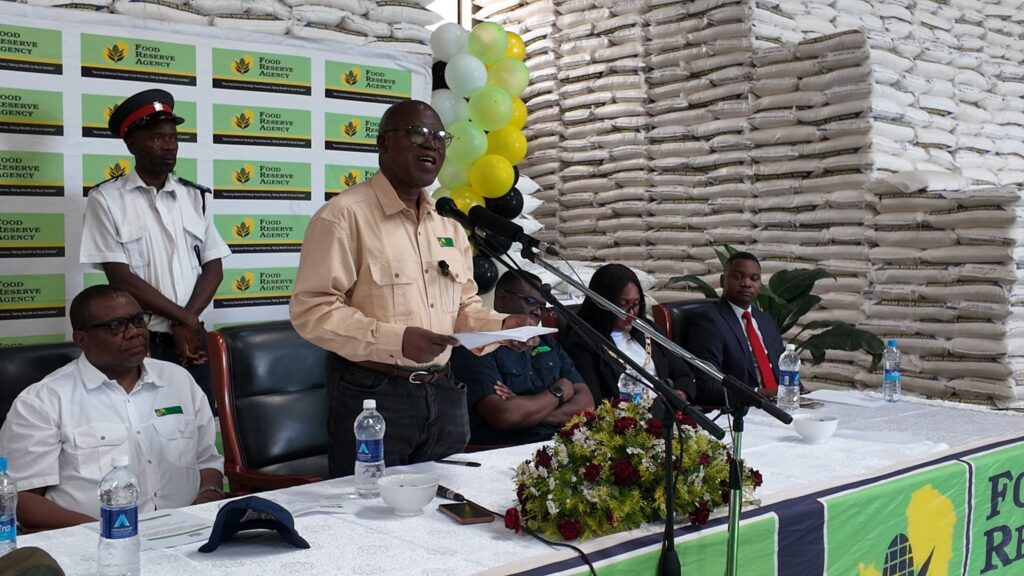
Mr Siakalenge also assured the Food Reserve Agency of timely funding for the current maize marketing season to ensure prompt payments to farmers, particularly as the country anticipates an even larger harvest in the 2025 to 2026 season.
Meanwhile, FRA Executive Director Justine Chuuka confirmed that Zambia has sufficient strategic maize reserves to support both domestic consumption and export commitments.
The Government has introduced a number of reforms in the agriculture sector as it works towards achieving an annual maize production target of 10 million tonnes, positioning the country as a key regional food supplier.