AfDB Pushes for Workplace Justice for Women in DR Congo
The African Development Bank has renewed calls for stronger workplace justice and gender equality in the Democratic Republic of Congo, highlighting persistent barriers faced by women despite a robust legal framework.
Commemorating International Women’s Month in Kinshasa, the Bank underscored the gap between existing rights and the lived realities of women in professional spaces. The event aligned with global and institutional themes centred on rights, justice and action for women’s empowerment.
Although the DRC’s 2006 Constitution and subsequent legislation guarantee equal rights and protections, women continue to encounter structural and cultural challenges in the workplace. These include limited access to leadership roles, gender pay disparities, workplace bias and insufficient reporting mechanisms.
A major concern raised was “time poverty”, with women carrying a disproportionate burden of unpaid care work, often restricting their career progression and access to opportunities. Social norms and expectations were also cited as factors that continue to undermine women’s leadership, despite equal qualifications.
Speaking at the event, Mohamed Cherif stressed that ensuring justice for women is critical to inclusive development. He noted that fair and equitable workplaces are essential for unlocking the full potential of the workforce and strengthening economic growth.
Juliette Ayuknow Egbe added that workplace inequality is often reinforced by everyday practices and unconscious biases, calling for greater accountability across institutions.
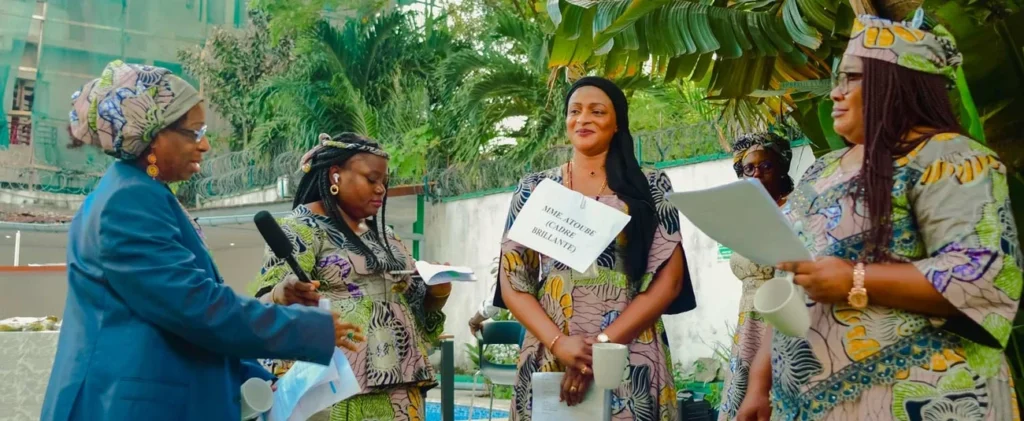
A theatrical performance titled “Imagine Yourself in Her Place – Walk in Her Shoes” illustrated the daily challenges women face, from exclusion in decision-making to balancing professional and domestic responsibilities, prompting reflection among participants.
The AfDB reaffirmed its commitment to gender equality through its Gender Strategy, which promotes inclusive policies, institutional reforms and women’s economic empowerment across Africa.
The Bank concluded that achieving meaningful progress will require sustained action, stronger enforcement of laws and a shift in workplace cultures. It emphasised that gender equality is not only a matter of opportunity, but of justice, dignity and full participation in economic life.