AfDB Invests in Multi-Purpose Dams to Strengthen Africa’s Water Security
As African leaders gather in Addis Ababa for the 39th African Union Summit, water has taken centre stage as a catalyst for development, resilience and public health under the 2026 theme on sustainable water and sanitation for Agenda 2063.
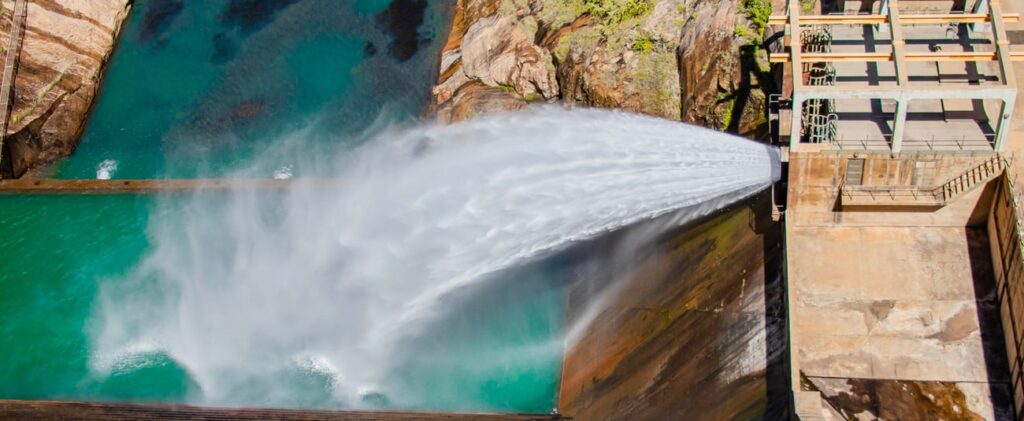
The African Development Bank Group says multi-purpose dams are emerging as a cornerstone of this agenda, enabling countries to unlock economic value from water while expanding access to safe drinking water, irrigation and clean energy.
More than 400 million Africans still lack safe drinking water, a gap the Bank says requires bold financing and integrated infrastructure. The push aligns with the AU’s Africa Water Vision 2063 and the Bank’s New African Financial Architecture, championed by Bank President Sidi Ould Tah, which prioritises mobilising capital at scale, reforming finance, harnessing demographic dividends and building resilient infrastructure.
“Multi-purpose dam projects enable equitable sharing of water resources for diverse needs,” said Mtchera Johannes Chirwa, Director of the Bank Group’s Water Development and Sanitation Department. “They integrate the water, food, energy and ecosystem nexus, creating resilient systems that drive sustainable growth.”
Among flagship projects is Kenya’s Thwake Dam, co-financed by the government and the Bank at about $635 million. Scheduled for completion in 2027, the dam is expected to benefit 1.3 million people through drinking water supply, 20 MW of hydropower and irrigation for 40,000 hectares, transforming a drought-prone region under Kenya’s Vision 2030.
In Rwanda, the Muvumba Multipurpose Water Resources Development Programme, approved in 2020 with €121.5 million, centres on a 39-metre dam that will deliver daily drinking water, irrigate 10,000 hectares and generate hydropower, benefiting around 800,000 people while strengthening climate resilience.
Hydropower remains a competitive option. According to the International Renewable Energy Agency, electricity from new hydropower projects is among the lowest-cost renewable sources, reinforcing the case for integrated dam infrastructure.
The impact is already visible in Burundi, where electricity from the Rusumo Falls project has stabilised power supply in Gitega. “Reliable electricity has saved lives,” said Dr Arnaud Ndorukwigira of Gitega Regional Hospital, citing improved neonatal care enabled by uninterrupted power.
The Bank says innovative tools such as green and sustainable bonds, blended finance and risk-sharing are being deployed to attract private capital to a sector long dominated by public funding. With rapid population growth and climate pressures intensifying water stress, the AfDB argues that multi-purpose dams and strategic partnerships offer a pathway to a more water-secure, resilient and prosperous Africa.