FQM Reports Higher 2025 Output, Announces Major Investment Plans
First Quantum Minerals (FQM) has reported improved production across its Zambian operations in 2025 and unveiled a multi-million-dollar capital investment programme expected to benefit local suppliers, contractors and host communities over the next three years.
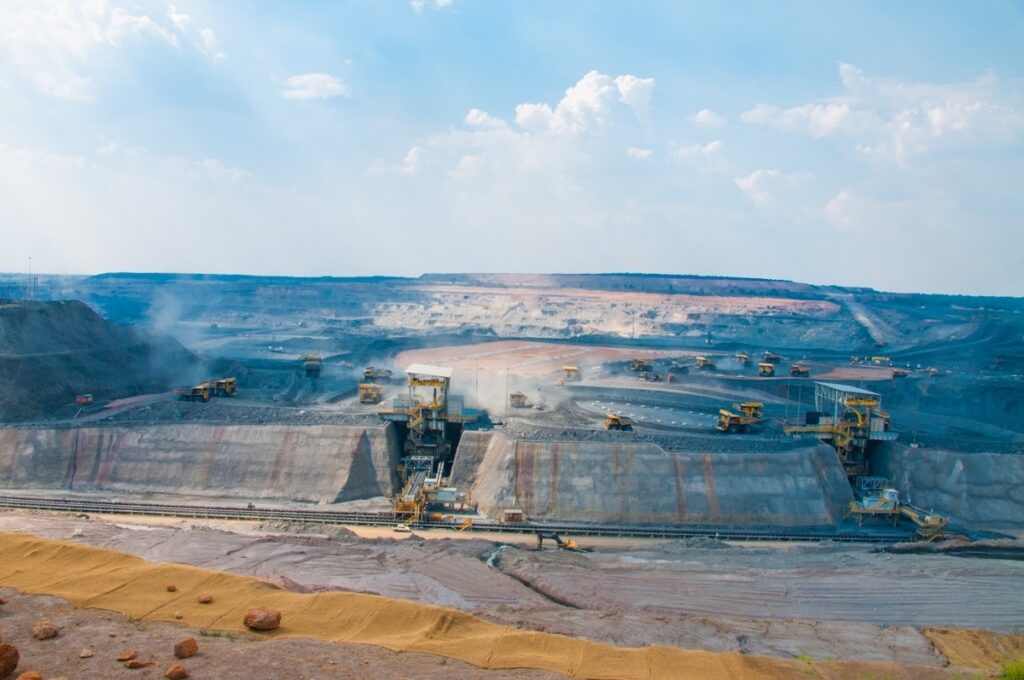
Preliminary figures released to investors show that copper production at the company’s Kansanshi mine in Solwezi rose by nearly six percent to 181,000 tonnes in 2025, marking the mine’s highest output since 2021. This represents an increase of 10,000 tonnes from the 171,000 tonnes recorded in 2024.
The growth was largely driven by the new S3 expansion circuit, which contributed about 25,000 tonnes of copper during the year. The circuit, officially launched by President Hakainde Hichilema in August 2025, achieved milling rates and operating times above 80 percent of design capacity, supported by average recoveries of over 80 percent. Following sustained operational stability, the S3 circuit was declared in commercial production on 1 December 2025.
Gold production at Kansanshi also rose sharply, increasing by more than 10 percent to 116,000 ounces in 2025, the highest level since 2021. The company attributed the increase to higher grades from more selective mining in the first quarter, as well as improved ore throughput and recoveries later in the year.
At the Sentinel copper mine in Kalumbila, production for the full year stood at 189,000 tonnes, down by 42,000 tonnes compared with 2024. FQM said the decline was due to lower ore grades and increased maintenance, although this was partially offset by higher throughput.
Meanwhile, nickel production at the Enterprise mine reached 23,000 tonnes, a 21 percent increase on 2024. The result marked the mine’s first full year of operations and reflected what the company described as a strong operational ramp-up.
Commenting on the results, First Quantum Chief Executive Officer Tristan Pascall said the company’s Zambian operations delivered strong performance throughout 2025.
“We achieved another major milestone with the commercial production of the Kansanshi S3 Expansion at the end of 2025. The project was completed under budget and continues to ramp up in line with expectations,” Mr Pascall said. He added that the company is now positioned to deliver sustainable organic growth over the next three years.
Looking ahead, First Quantum has budgeted approximately US$275 million in capital expenditure for its Zambian operations over the next three years. Planned investments include US$90 million for additional South East Dome pre-stripping at Kansanshi, US$45 million for a second in-pit primary crusher, US$30 million for the relocation of in-pit crushers, and US$25 million for an additional tailings pipeline at Trident. A further US$20 million has been allocated for STATCOM installations at Kansanshi and Sentinel to improve grid stability.
The company has also earmarked funds for sustainability-focused projects, including replacing the Kansanshi ex-pit mining fleet with more efficient, trolley-compatible trucks and expanding the Quantum Electra-Haul™ trolley-assist infrastructure. These initiatives are aimed at reducing diesel consumption and lowering greenhouse gas emissions, with potential future integration of battery-powered mining trucks.
For 2026, First Quantum has guided copper production of between 175,000 and 205,000 tonnes at Kansanshi, and 190,000 to 220,000 tonnes at Sentinel. Nickel output at Enterprise is forecast at 30,000 to 40,000 tonnes, while gold production at Kansanshi is expected to range between 110,000 and 120,000 ounces.