Zambia Safeguards Tonga Kuyabila Tradition with UNESCO Support
The Ministry of Tourism and the Zambia National Commission for UNESCO have announced the successful completion of a four-year project aimed at safeguarding Kuyabila, the traditional poetry of the Tonga people of Southern Province.
Kuyabila, performed with drums, plays a vital role in preserving oral history, cultural knowledge, and community identity.
The initiative, supported by UNESCO through an International Assistance fund worth US$83,790, began in 2021 and sought to enhance awareness of the Convention on the Safeguarding of the Intangible Cultural Heritage.
This was undertaken through community engagements, collaboration with traditional leaders, and the use of local media to strengthen understanding of cultural preservation.
As part of capacity-building efforts, 42 community stakeholders received training in community-based inventorying, reinforcing local ownership and participation in safeguarding practices.
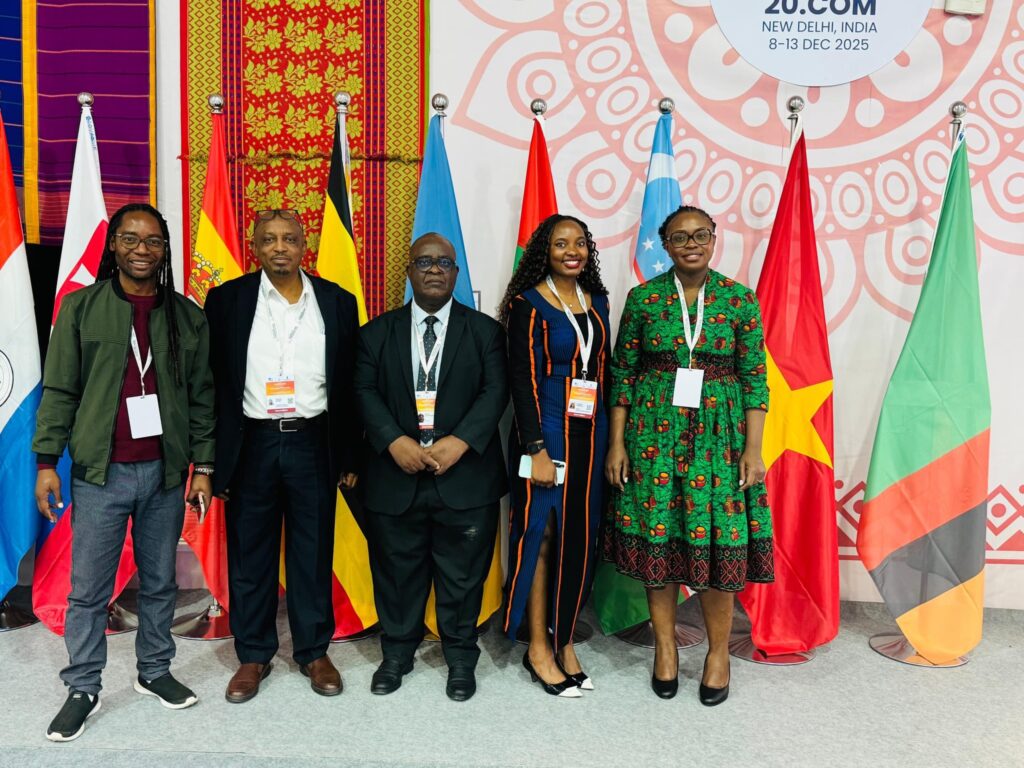
Speaking at the 20th Session of the Intergovernmental Committee for the Safeguarding of the Intangible Cultural Heritage in New Delhi, Ministry of Tourism Chief Cultural and Folklore Officer, Mr Thomas Mambo Mubita, extended gratitude to UNESCO for its partnership in preserving Kuyabila in Monze and Namwala districts.
Mr Mubita noted that one of the project’s major milestones was the comprehensive documentation of Kuyabila. This included the recording of 40 poems, the publication of a book, and the production of a documentary featuring performances, interviews, and community safeguarding experiences.
An inventory of key thematic areas covering marriage, initiation, funerals, farming, health, and education was also completed.
He further highlighted that the project has contributed to integrating Kuyabila into cultural and educational activities. Communities have reported renewed pride, increased motivation to practise the tradition, and growing recognition at cultural events, alongside rising interest from education institutions and the media.