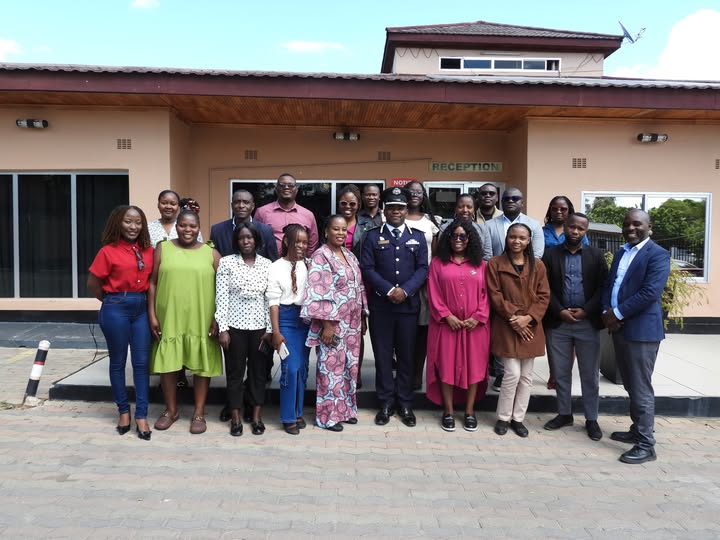
MISA Zambia Leads Push for Stronger Media Freedom Monitoring Framework
The Media Institute of Southern Africa (MISA) Zambia has convened a high-level multi-stakeholder meeting aimed at strengthening the monitoring and response mechanisms for media and digital rights violations in the country.
The meeting brought together key stakeholders, including representatives from the Human Rights Commission, the Zambia Police Service, the Media Self-Regulation Council of Zambia, civil society organisations, media practitioners, as well as MISA Zambia board members and staff.
Speaking during the opening session, MISA Zambia Board Chairperson Mrs Lorraine Mwanza Chisanga expressed appreciation to participants for their attendance, noting that their engagement reflects a shared commitment to advancing media freedom, democratic governance, and accountability in Zambia.
Mrs Chisanga said the forum was designed to build consensus on the identification and standardisation of media and digital rights violation categories, as well as the development of a practical framework for grading violations based on severity, impact, and urgency.
She described the engagement as “timely and necessary”, adding that it provides a critical platform for dialogue, consensus-building, and collective ownership in addressing challenges affecting the media sector.
The meeting comes at a time when journalists and media organisations in Zambia continue to face challenges including harassment, intimidation, arbitrary arrests, unlawful detention, censorship attempts, and threats of litigation from both state and non-state actors.
According to MISA Zambia, such incidents undermine the media’s watchdog role and pose a broader threat to democratic governance by weakening transparency, accountability, and public trust.
The organisation noted that although efforts have been made to document and respond to violations, the absence of a standardised classification and severity grading system has limited the effectiveness of existing monitoring mechanisms.