
Power Purchase Agreements Could Strain Zambia’s Finances, Parliament Warned
Zambia’s legislators have been called upon to strengthen oversight and enhance transparency in the electricity sector, amid growing concerns over the fiscal risks associated with Power Purchase Agreements (PPAs).
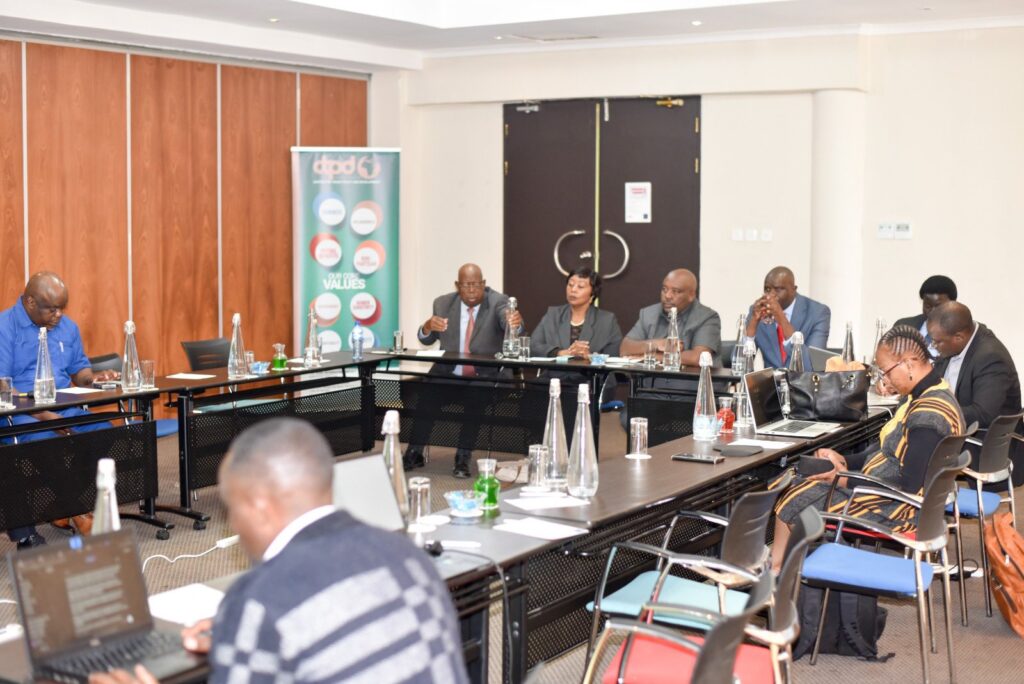
Presenting findings from a recent policy brief at a Parliamentarians Roundtable meeting, Mr Ibrahim Kamara, Head of Research at the Centre for Trade Policy and Development (CTPD), highlighted that while PPAs have been instrumental in attracting private investment into the sector, they carry complex financial obligations that could strain public finances if not carefully managed.
Mr Kamara noted that Zambia’s electricity generation remains heavily reliant on hydropower, which accounts for over 80 percent of the national energy mix.
“PPAs have been essential in bridging the gap between public financing limitations and the need for new generation capacity,” he stated. “However, they also shift financial risks into long-term contracts and tariffs, with implications for national debt sustainability.”
Data presented at the meeting revealed that ZESCO’s debt peaked at approximately $3.5 billion in 2021, with around $1.8 billion owed to independent power producers (IPPs).
Although this figure had been reduced to roughly $379 million by September 2024 following renegotiations and repayments, energy-related debt still represents about 95 percent of government-guaranteed liabilities.
Mr Kamara further emphasised that ongoing electricity sector reforms, including the introduction of Open Access Regulations, the Integrated Resource Plan (IRP), and the Multi-Year Tariff Framework (MYTF), are reshaping sector operations.
These reforms aim to expand private sector participation and shift tariffs towards cost-reflective pricing but also transfer greater financial risk to consumers and contractual arrangements.
Zambia is currently pursuing an ambitious pipeline of approximately 3,400 megawatts of new power projects under PPAs, alongside investment targets of up to $12 billion by 2030 under the National Energy Compact. Against this backdrop, Parliament was urged to take a more active role in overseeing energy contracts and associated fiscal risks.
Speaking on behalf of the legislators, the Zambia Parliamentary Caucus on Energy, Mining and Mineral Resources called for stronger collaboration among parliamentary committees to jointly review major energy contracts and procurement decisions.