Global Investors Turn to Malawi for Critical Minerals
Malawi is attracting increasing interest from international companies seeking reliable supplies of critical minerals, as global demand continues to rise.
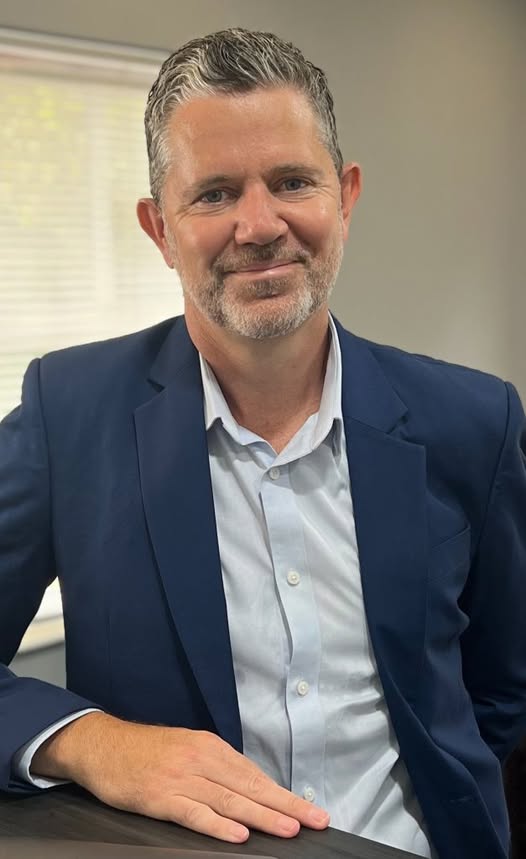
According to Frank Eagar, Managing Director and Chief Executive Officer of Sovereign Services Ltd, the country’s mining sector is drawing attention from global investors, lenders and commodity traders, particularly through large-scale projects such as the Kasiya Rutile and Graphite Project.
Located near Lilongwe, the Kasiya project has emerged as a key example of Malawi’s growing potential in the global minerals market. It has already attracted interest from major international players, highlighting confidence in the country’s resource base.
Mr Eagar explained that mining developments of this scale typically take more than a decade to progress from discovery to production. During this period, companies must undertake extensive engineering studies, assess environmental and social impacts, secure regulatory approvals, and engage with local communities and government authorities.
A critical stage in this process involves securing future buyers for the minerals to be produced. These arrangements, commonly known as offtake or marketing agreements, are essential for attracting financing.
In a recent development, the company behind the Kasiya project signed a non-binding memorandum of understanding with Mitsui & Co., a leading Japanese trading and investment firm. The agreement outlines Mitsui’s potential interest in purchasing up to 70,000 tonnes of rutile annually once production begins.
Mr Eagar clarified that such agreements do not transfer ownership of Malawi’s mineral resources, which remain governed by national law. He added that the non-binding nature of the memorandum means it reflects an intention to collaborate, rather than a final commercial commitment.
“These arrangements are standard in the mining industry, as investors and lenders require assurance that there will be reliable markets for the products before committing significant capital,” he said.
The Kasiya project has also attracted support from global institutions, including Rio Tinto and the International Finance Corporation, which are contributing to investment and environmental standards.
For Malawi, such partnerships signal growing international confidence in its mining sector and its potential role in global supply chains for critical minerals.
However, Mr Eagar emphasised that these agreements represent only one phase of a lengthy development process. The project must still complete feasibility studies, obtain environmental approvals and secure the necessary licences before mining operations can commence.
As the sector continues to expand, stakeholders say a clear understanding of these processes will be essential to ensuring that Malawi maximises the benefits of its natural resources.