
MUZ Calls for Improved Miners’ Welfare as Zambia Expands Copper Production
The Mineworkers Union of Zambia (MUZ) has called on mine investors in Zambia to emulate the social and developmental model that characterised the operations of Zambia Consolidated Copper Mines (ZCCM), particularly in areas such as infrastructure development, miners’ welfare, housing and health services.
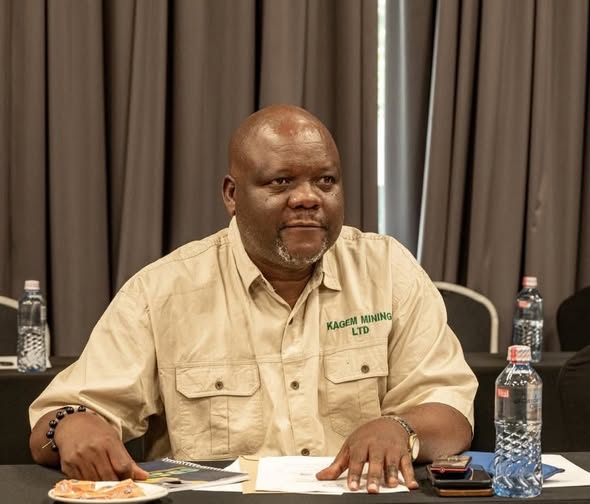
MUZ General Secretary George S. Mumba said while the privatisation of mines helped attract much-needed Foreign Direct Investment and revitalise production in the country’s mining sector, the welfare of miners and surrounding communities must remain a priority.
Mr Mumba noted that during the ZCCM era, mining companies played a broader developmental role beyond mineral production, investing significantly in township infrastructure, mine hospitals, recreational facilities and sports development while providing housing and other social amenities for workers and their families.
“New mine owners must re-ignite the ZCCM model by investing in infrastructure, empowerment programmes for miners and the provision of social services such as mine hospitals,” he said.
He explained that under ZCCM, mining companies maintained well-equipped hospitals and clinics that served not only miners but also surrounding communities. The companies also constructed housing for workers, maintained township infrastructure and supported sports and recreation activities that helped build vibrant mining communities.
Mr Mumba, however, acknowledged that some modern mining operations had begun implementing progressive worker-focused initiatives. He cited developments in emerging mining towns such as Kalumbila, where housing initiatives are being developed for workers, as well as projects linked to Mimbula Mine, including a planned US$20 million “rent-to-own” housing scheme for employees in Chingola.
He urged other mining companies across the country to adopt similar models that enable miners to own property and build long-term economic security for their families.
“We want to see deliberate housing programmes that enable miners to own homes and secure their future. The examples being implemented in Kalumbila and at Mimbula show that such initiatives are achievable,” Mr Mumba said.
The MUZ General Secretary also called on mining companies to invest in broader community empowerment programmes, including agro-based projects that can create alternative livelihoods and strengthen local economies in mining regions.
Zambia’s mining sector has undergone two major governance phases: the state-controlled mining era under ZCCM from 1982 to the late 1990s, and the post-privatisation era that followed, when mines were sold to international investors to revive production and attract capital.
During the ZCCM period, mining companies functioned not only as economic enterprises but also as providers of social infrastructure and welfare systems for entire mining communities. Following privatisation, however, mining firms largely shifted towards commercial mining operations with more limited social responsibilities, leaving many services to local authorities or the central government.
Meanwhile, Mr Mumba emphasised the importance of skills transfer as Zambia continues to attract new investors and develop greenfield mining projects.
“As the mining sector grows, there must be deliberate skills transfer to Zambian workers. The industry must provide jobs while also building capacity among our people,” he said.
He added that the country’s ambition to increase copper production to three million tonnes annually by 2030 must be accompanied by improved conditions for workers.
“The drive towards three million tonnes of copper production must go hand in hand with enhanced miners’ welfare, quality jobs, fair salaries and safe working conditions. Mining must ultimately translate into sustainable national development and improved livelihoods for miners and their communities,” Mr Mumba said.
The union has reiterated its commitment to working with government, mining companies and other stakeholders to ensure that the growth of the mining sector delivers tangible benefits for workers and the country at large.