Zambia Standards Agency Praised for Supporting Private Sector Growth
The Permanent Secretary for Commerce and Trade in the Ministry of Commerce, Trade and Industry, Lillian Bwalya, has commended the Zambia Compulsory Standards Agency for its role in supporting private sector development and contributing to the national treasury.
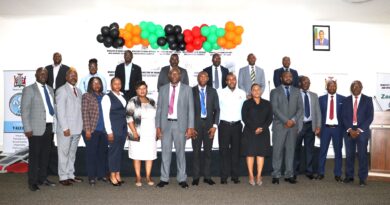
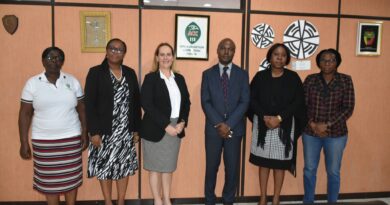
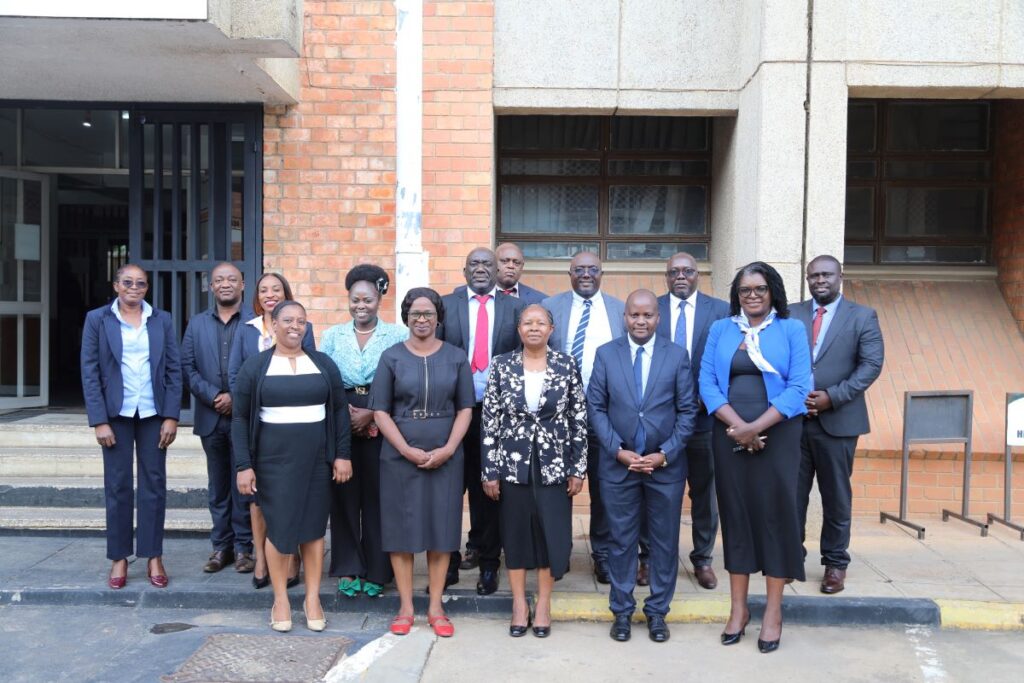
Mrs Bwalya made the remarks during a familiarisation visit to the agency’s headquarters in Lusaka, where she highlighted the institution’s role in ensuring that goods and services meet compulsory standards for safety, quality and reliability.
She said the agency plays a critical role in strengthening the private sector and supporting government efforts to promote economic growth.
Mrs Bwalya also noted the need to increase staffing levels at border posts to support the Government’s plans to introduce a 24-hour economy, which aims to improve productivity and facilitate cross-border trade.
She said the Ministry, through the Minister of Commerce, Trade and Industry Chipoka Mulenga, would engage the Ministry of Finance and National Planning to secure treasury support for additional officers at border points.
The initiative aligns with the vision of Hakainde Hichilema, President of Zambia, who has proposed transforming the country into a 24-hour economy to boost productivity, create jobs and align Zambia with global economic practices.
Meanwhile, Gerald Chizinga, Executive Director of the Zambia Compulsory Standards Agency, said the institution faces challenges due to inadequate testing facilities for imported and locally manufactured products.
Mr Chizinga explained that although the number of products covered under compulsory standards had increased from 60 in 2018 to 102 in 2026, some products cannot currently be tested locally due to limited testing capacity.
He added that products inspected and tested by the agency are considered safe, credible and reliable both locally and internationally.
Mr Chizinga also said the agency has the potential to exceed its non-tax revenue collection target of about K840 million this year, with projections of reaching K1 billion next year if provided with adequate funding and facilities.
He further appealed for support in facilitating the issuance of a statutory instrument to implement distinctive marks that would allow consumers to easily identify products that comply with compulsory standards.