Zambia Strengthens Cross-Border Fuel Controls with New Measurement System
The Zambia Metrology Agency (ZMA) has announced the implementation of the dip stick and chart method as a recognised secondary reference measurement for tanker trucks involved in the cross-border importation of petroleum products into Zambia.
In a statement issued on 24 February 2026, ZMA Executive Director Humphrey Nkobeni said dip sticks and charts certified by the Weights and Measures Agency of Tanzania will now be accepted for use on fuel tankers entering Zambia.
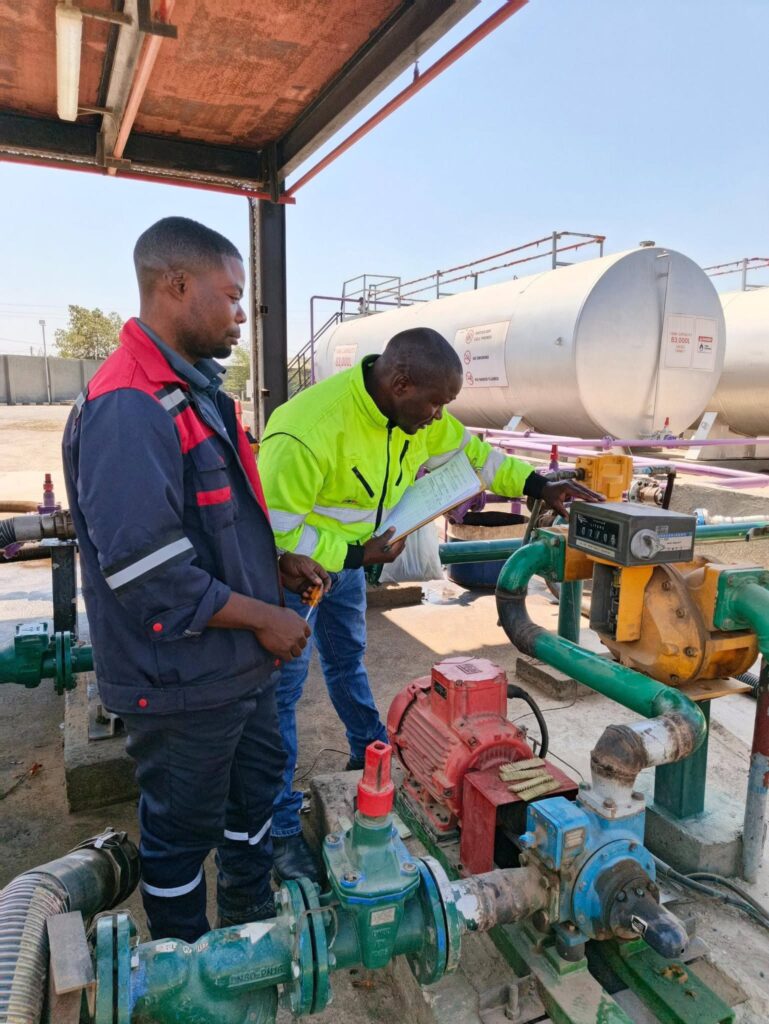
Mr Nkobeni explained that the dip stick and chart method will be used alongside temperature-compensating bulk flow meters, which will remain the primary and legally binding instruments for trade measurement during the loading and off-loading of petroleum products.
He emphasised that bulk flow meters, where installed and verified in accordance with the Metrology Act No. 6 of 2017, will continue to determine fuel quantities at the point of custody transfer within Zambia.
Mr Nkobeni said the decision follows the signing of a Mutual Recognition Framework Agreement between ZMA and its Tanzanian counterpart on 10 December 2025.
The agreement, he said was concluded under the guidance of Zambia’s Ministry of Commerce, Trade and Industry and Tanzania’s Ministry of Industry and Trade, with the aim of enhancing regulatory flexibility, strengthening measurement assurance in cross-border trade and promoting regional harmonisation of metrology practices.
According to Mr Nkobeni, the dip stick and chart method had previously not been implemented due to the lack of a domestic calibration facility capable of producing legally controlled instruments for tanker trucks.
To address this, he said that ZMA will undertake inter-comparisons of national measurement standards with Tanzania to ensure continued traceability, technical equivalence and confidence in the integrity of petroleum trade measurements between the two countries.
Mr Nkobeni further clarified that the recognition applies exclusively to tanker trucks engaged in cross-border fuel importation. Tankers operating solely within Zambia will continue to use bulk flow meters and ullage mark systems as currently required and verified by ZMA.
He said the approach reflects operational realities in the region, noting differences in loading systems, with Zambia largely using bottom-loading systems while Tanzania predominantly uses top-loading systems, while maintaining strict legal metrology controls and measurement accuracy.
Mr Nkobeni reaffirmed ZMA’s commitment to promoting accuracy, fairness and transparency across the petroleum supply chain and encouraged stakeholders seeking clarification to engage the Agency through its official communication channels.