AfDB Backs Benin’s Circular Economy Drive to Boost Sustainable Growth
The African Development Bank Group has reaffirmed its support for Benin’s sustainable development agenda following the formal adoption of the country’s Circular Economy Action Plan (CEAP), a national framework aimed at embedding circularity into economic growth and environmental management.
Launched on 5 February 2026, the plan seeks to strengthen Benin’s competitiveness, resilience and long-term sustainability, in line with the country’s development blueprint, Vision Benin 2060 Alafia. The initiative is supported through the African Development Bank’s African Circular Economy Facility.
Benin’s Minister of the Living Environment and Sustainable Development, José Didier Tonato, said the plan goes beyond environmental protection and is central to the country’s economic transition.
He highlighted progress already made, including the recycling of 70 percent of materials from old road infrastructure and the reprocessing of 90 percent of wastewater from textile factories in the Glo-Djigbe economic zone.
Under the CEAP, Benin has set ambitious targets to be achieved by 2035. These include increasing recycling rates to 25 percent, achieving full urban waste collection and up to 60 percent coverage in rural areas, training 15,000 citizens, and supporting at least 300 circular economy businesses, a significant rise from the current 19.
Dr Al Hamndou Dorsouma, Head of the African Development Bank’s Green Growth and Climate Change Division, said the Bank is committed to translating the plan into concrete outcomes.
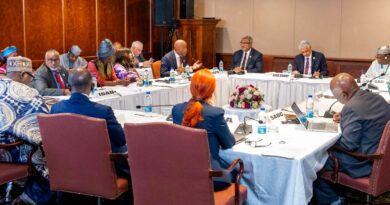
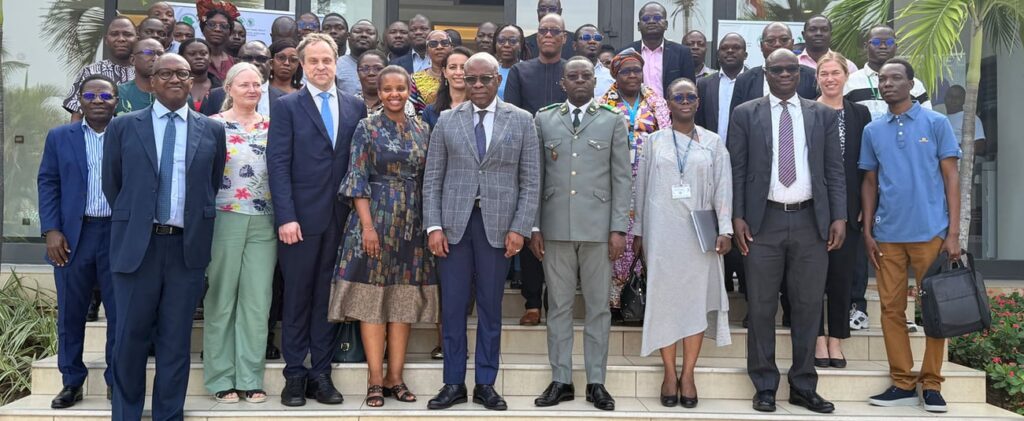
He noted the strong engagement of young innovators during a visit to Impact Hub Cotonou, which formed part of a mission by the steering committee of the African Circular Economy Fund, alongside representatives from the Government of Finland and the Nordic Development Fund.
Benin continues to face mounting waste challenges, producing an estimated 50,000 tonnes of plastic annually and around 1,700 tonnes of municipal waste each day, much of which remains unrecycled. However, several municipalities are already demonstrating the impact of local circular solutions.
In Avrankou, filters made from recycled biomass have improved access to safe drinking water for 85 percent of households. In Nikki, cottonseed hulls previously burned as waste are now used to produce biogas for hundreds of families. Bassila has introduced local digesters that convert organic waste into fertiliser, while in Abomey-Calavi, market waste is increasingly transformed into compost and biogas.
These initiatives are contributing to improved public health, food security, access to clean water, job creation and climate action, signalling a broader structural shift in local development.
With the adoption of its Circular Economy Action Plan, Benin joins 22 other members of the African Circular Economy Alliance, reinforcing a continental push towards development models that conserve resources while generating economic and social benefits.