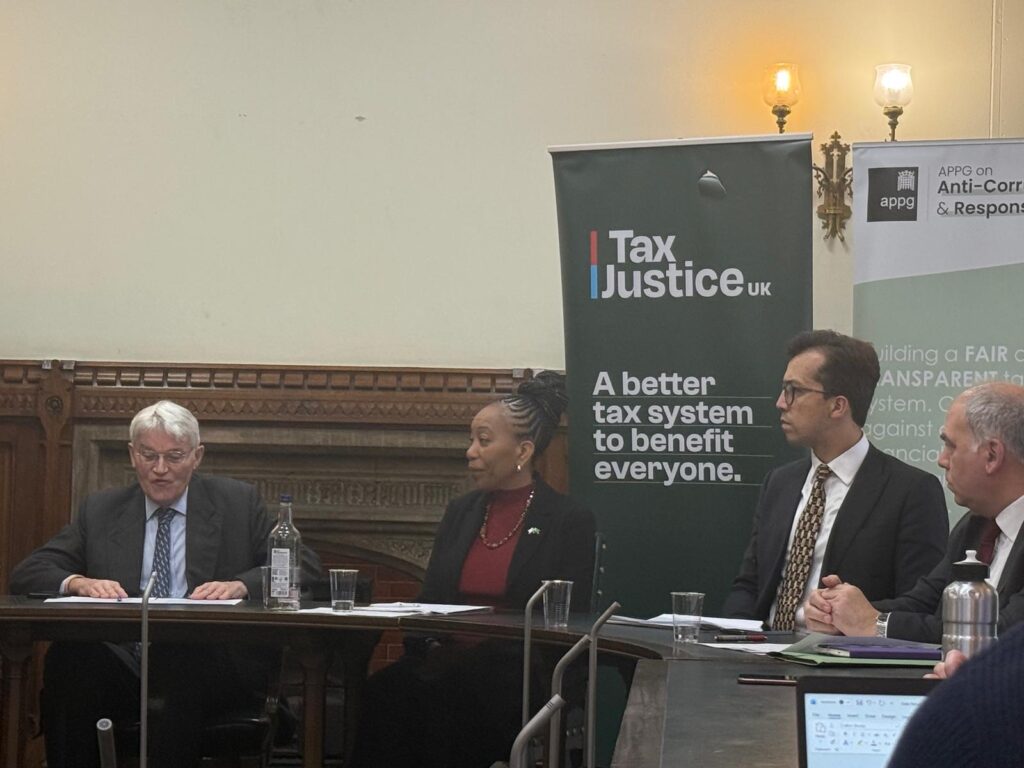
H.E. Mazoka Calls for UK Leadership on Global Debt and Tax Reform at Parliament Roundtable
Zambia’s High Commissioner to the United Kingdom, Her Excellency Ms Macenje F. Mazoka, has urged stronger British leadership on global debt and tax reform, warning that the current international financial system continues to undermine development and climate resilience in low-income countries.
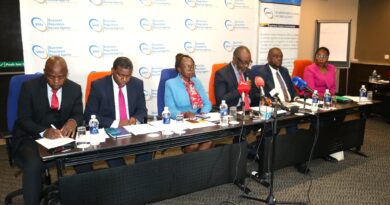
She was speaking at a UK Parliament roundtable held on 28 January 2026 under the theme “British Leadership on Global Financial Reform: The UK’s Role as a Global Debt and Tax Superpower.” The hybrid meeting brought together parliamentarians, senior policymakers, diplomats and financial experts to examine the UK’s influence in shaping a fairer global financial system.
The discussion was chaired by former Development Minister and Deputy Foreign Secretary Sir Andrew Mitchell, who called for decisive action to address rising global debt levels. He noted that many low-income countries are now spending more on servicing debt than on essential public services, posing serious risks to development, global stability and security.
Sir Andrew stressed the need for the UK Government to articulate a clear leadership agenda on sovereign debt reform, including deeper engagement with private creditors.
Panellists highlighted the growing urgency of debt justice, particularly as overseas aid budgets decline, and emphasised the UK’s unique leverage as a global financial centre and a key legal jurisdiction for sovereign debt contracts.
Contributing to the discussion, High Commissioner Mazoka highlighted that for African countries such as Zambia, the global financial system has direct consequences for governments’ ability to provide basic services and invest in climate resilience.
She revealed that in 2023, African countries spent more than fifty times as much on external debt repayments as they received in UK aid, diverting scarce resources away from education, healthcare and infrastructure.
She further observed that private creditors have extracted significantly more from developing countries than they have provided in new lending, noting that approximately 90 per cent of low-income country debt to private lenders is governed by English law. This, she said, gives the UK substantial influence over whether the global debt system supports sustainable development or perpetuates recurring crises.
From Zambia’s perspective, the High Commissioner described debt as a profoundly human issue, forcing governments to make difficult trade-offs between servicing debt and investing in social protection and climate-resilient growth.
She cited Zambia’s post-2020 debt restructuring as evidence of progress with official creditors, while highlighting the high economic and social costs caused by delays in reaching agreements with private lenders.
On tax reform, Ms Mazoka emphasised that debt and taxation are inseparable elements of domestic resource mobilisation. She warned that global tax evasion continues to cost poorer countries tens of billions of dollars each year—funds urgently needed for development and climate action.
In her closing remarks, the High Commissioner noted that the UK’s forthcoming G20 Presidency in 2027 presents a critical opportunity to convert influence into concrete action on global debt and tax reform. She said decisive UK leadership could help countries like Zambia break free from cycles of debt and vulnerability and move towards sustainable, inclusive growth.
The roundtable concluded with agreement on several actionable priorities, including legislation to ensure City of London lenders participate in debt restructurings under the G20 Common Framework, the creation of fully public beneficial ownership registers in British Overseas Territories, and stronger transparency across global debt and tax systems.
Participants called on the UK to use its position as a global financial hub to support sustainable development, reduce long-term aid dependency and promote shared prosperity and climate resilience worldwide.