ADF Approves 2.9m Dollar Grant for Malawi Hydropower
The African Development Fund has approved a 22.9 million dollar grant to rehabilitate Malawi’s Kapichira and Nkula B hydropower plants, marking a major investment in strengthening the nation’s energy security.
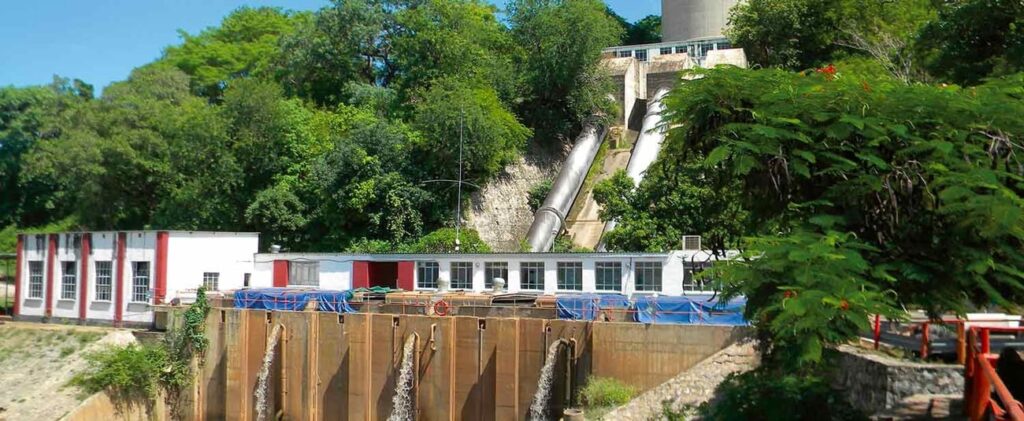
The 118.7 million dollar initiative will support the restoration of the Kapichira I plant in Chikwawa District, which supplies power to the southern region, and Nkula B, Malawi’s oldest major hydropower station built in 1966. Both plants currently operate below capacity due to ageing infrastructure and damage from recent tropical storms.
Macmillan Anyanwu, the African Development Bank’s country manager for Malawi, described the project as a cornerstone investment that will help unlock economic opportunities, create jobs, and improve electricity reliability for communities that face frequent power shortages.
The rehabilitation works are expected to increase annual power generation by more than half, rising from 916 GWh to 1,426 GWh. The operational life of both plants will be extended significantly, and overall performance is projected to improve from 80 per cent to 95 per cent, addressing the persistent outages that have hampered national development.
Only 25.9 per cent of Malawi’s population currently has access to electricity, one of the lowest figures in Africa. The situation worsened in 2022 when Tropical Storm Ana severely damaged the Kapichira plant, which accounts for nearly one third of the country’s total generation capacity.
The project aligns with Malawi’s Vision 2063 and the Malawi Energy Compact, signed in January 2025 under the Mission 300 initiative that aims to expand electricity access across the continent by 2030. Improved energy supply is expected to boost key sectors such as agriculture, mining, and manufacturing, while also reducing business costs linked to power outages and diesel generator use.
The Electricity Generation Company, which is owned by the Government, will implement the project from March 2026 to December 2030.
The rehabilitation also positions Malawi to benefit from upcoming regional power trade opportunities. These include integration with the Southern Africa Power Pool through the Mozambique Malawi interconnector, potential future connections to the East Africa Power Pool, and compatibility with planned national transmission upgrades.