WHO Launches People-Centred Task Force to Tackle AMR
The World Health Organization (WHO) has launched its first-ever Civil Society Task Force on Antimicrobial Resistance (AMR), signalling a major shift towards people-centred action in tackling one of the world’s most urgent health threats.
AMR is making once-treatable infections increasingly difficult or impossible to cure, as disease-causing organisms become resistant to medicines. Experts warn that unchecked AMR threatens modern medicine, food safety, agriculture, and environmental systems.
The newly formed task force brings together 81 organisations from across the world, including CNS, and is overseen by a 12-member steering committee. It aims not only to raise awareness but also to involve communities directly in shaping policies and monitoring commitments.
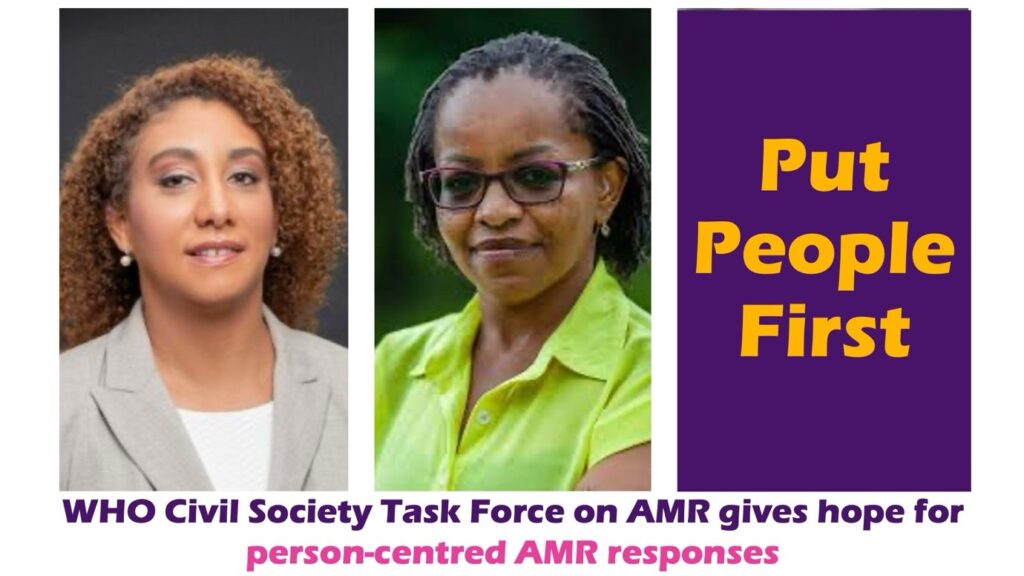
Co-Chair Katherine Urbaez, a former diplomat and founder of the Health Diplomacy Alliance, said the task force will help translate global promises into local action by strengthening civil society participation across different sectors.
Her fellow Co-Chair, Tracie Muraya of ReAct Africa, emphasised the need for stronger health systems and improved transparency. She called for clear accountability tools to help civil society track progress on commitments made at international forums.
Both leaders stressed the importance of involving people with lived experiences, local communities, and marginalised groups including women, older persons, people with disabilities, indigenous peoples, migrants, and refugees. They noted that unequal access to healthcare and gender disparities significantly increase vulnerability to AMR.
Muraya highlighted that women often act as primary caregivers, face higher exposure risks, and may lack financial autonomy to access timely treatment. She added that environmental exposure, such as shared use of contaminated water sources, further increases risk for women and children.
The task force also supports a One Health approach, recognising the linkages between human health, animal health, agriculture, and the environment. It will contribute to year-round advocacy beyond the annual World AMR Awareness Week observed every November.
Speaking ahead of International Human Rights Day and Universal Health Coverage Day, both leaders framed AMR as a justice issue. Ensuring equitable access to effective medicines, they said, is fundamental to the right to health.
“We have come a long way, but we cannot leave anyone behind,” said Urbaez. “Communities must be central to AMR solutions, not on the margins.”
The task force aims to drive inter-sectoral cooperation, improve policy influence, and ensure that people remain at the heart of global efforts to preserve the medicines that protect us.