Capital Gaps Restrict African Women Entrepreneurs, Says Minister
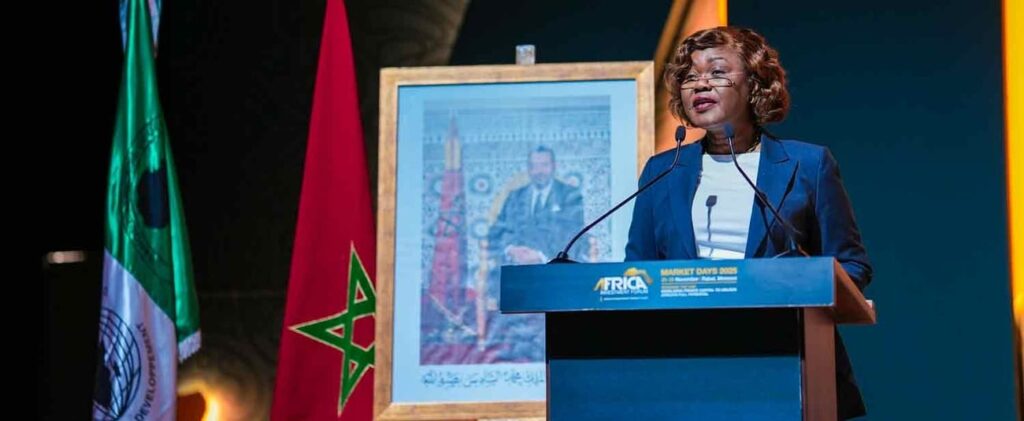
Inefficient allocation of capital continues to hold back African women entrepreneurs, preventing them from unlocking their full economic potential, Côte d’Ivoire’s Minister of Economy, Planning and Development, Nialé Kaba, has warned.
She spoke during the 2025 Africa Investment Forum Market Days, describing women-led ventures as untapped “gold mines” for the continent.
Addressing a high-level workshop hosted by the African Development Bank’s Affirmative Finance Action for Women in Africa (AFAWA) programme, Minister Kaba called for urgent action to close the nearly $50 billion financing gap for African women entrepreneurs.
She stressed that despite women having the world’s highest rate of entrepreneurship at 24 per cent, access to capital remains a major barrier, with proven business performance unable to secure financing.
Senior Vice President of the African Development Bank, Marie-Laure Akin-Olugbade, emphasised the importance of blended finance to address these challenges, highlighting successful programmes in Tunisia and South Africa where donor financing generated $75 for every $1 invested.
Akin-Olugbade called for innovative financial mechanisms that go beyond guarantees, actively incentivising banks to fund women-led enterprises.
Dr. Jemima Njuki, Director of Gender, Women and Civil Society at the African Development Bank, stressed that African women entrepreneurs are the continent’s most dynamic and underserved investment asset, with 194 million currently active and projected to rise to 239 million by 2035.
“The architecture is ready, the strategy is sound, the women are ready, and the only question remaining is: are you ready to invest in the champions of Africa’s economic future?” she said.
The forum highlighted success stories, including Yemisi Iranloye, CEO of Psaltry International in Nigeria, who leveraged AFAWA-backed blended finance to establish Africa’s first cassava-based ethanol plant, supporting over 10,000 women farmers.
Minister Kaba concluded that unlocking capital for women-led businesses through blended finance is essential for inclusive economic growth across Africa and urged governments, financial institutions, and investors to act decisively to empower women entrepreneurs.