Malawi Moves to Finalise Health Workforce Analysis
Malawi is advancing efforts to complete its national Health Labour Market Analysis (HLMA) as part of a wider strategy to improve health workforce planning and accelerate progress towards Universal Health Coverage (UHC) by 2030.
The Ministry of Health, with technical support from the World Health Organization (WHO), is refining the draft HLMA to align with international standards and guide high-level policy dialogue.
The HLMA uses an economic and evidence-based framework to assess how the supply of health workers, the population’s health needs, national demand, and budget realities interact. Officials say this will help Malawi address persistent staffing shortages and enhance long-term workforce governance.
Under its Health Sector Strategic Plan 2023–2030, Malawi has expanded investments in training, recruitment, and health information systems. As a result, the number of health workers has risen from 34,287 in 2019 to 47,555 in 2024, a 38.7% increase over six years.
However, significant gaps remain. Vacancy rates stand at 40% for Nurse/Midwife Technicians, 32% for Medical Officers and Specialists, and 25% for Medical Assistants. The HLMA aims to provide evidence-driven solutions to close these gaps and ensure equitable access to essential health services.
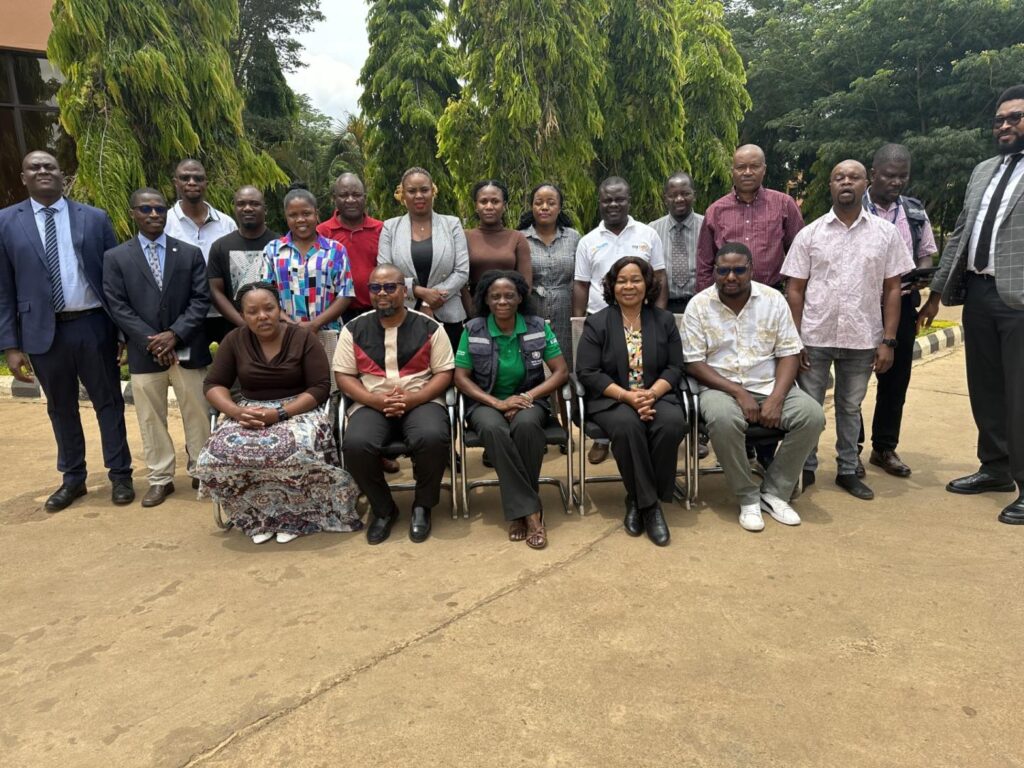
Supported by funding from the UK Department for Health and Social Care (DHSC), WHO facilitated a multisectoral reorientation involving government ministries, regulatory bodies, training institutions, and health workers across 72 professions.
Participants used the WHO AFRO HLMA Support Tool to analyse Malawi’s workforce data and estimate future staffing needs based on disease burden and service delivery requirements.
“The Health Labour Market Analysis will give Malawi a credible evidence base to better understand our workforce dynamics and plan more effectively,” said Mr Duff Msukwa, Director of Human Resources for Health at the Ministry of Health. “By generating evidence-based insights, we can better align our health workforce with the needs of our population.”
WHO Representative to Malawi, Dr Neema Rusibamayila Kimambo, noted that the HLMA will support sustainable workforce planning and strengthen service quality: “This initiative not only tackles immediate gaps but also paves the way for long-term investments in health workers.”
With rising demand and pressure on health services, Malawi views the HLMA as a crucial tool for aligning health workforce policies with real population needs. Its completion will help the country build a more resilient, equitable, and efficient health system capable of delivering UHC and ensuring health security.