Experts Urge Investment-Ready African Climate Action to Influence Global Negotiations
The 13th Conference on Climate Change and Development in Africa (CCDA-XIII) has closed with a strong call for a coherent, evidence-driven, and investment-ready African climate agenda to shape the continent’s common position ahead of COP30 in Belém, Brazil.
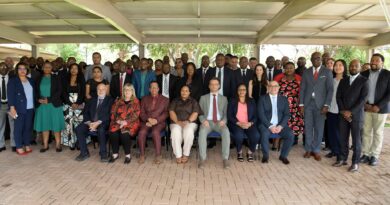
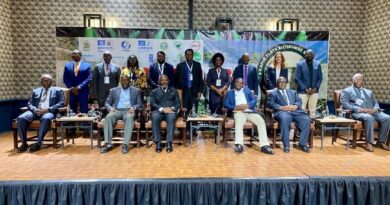
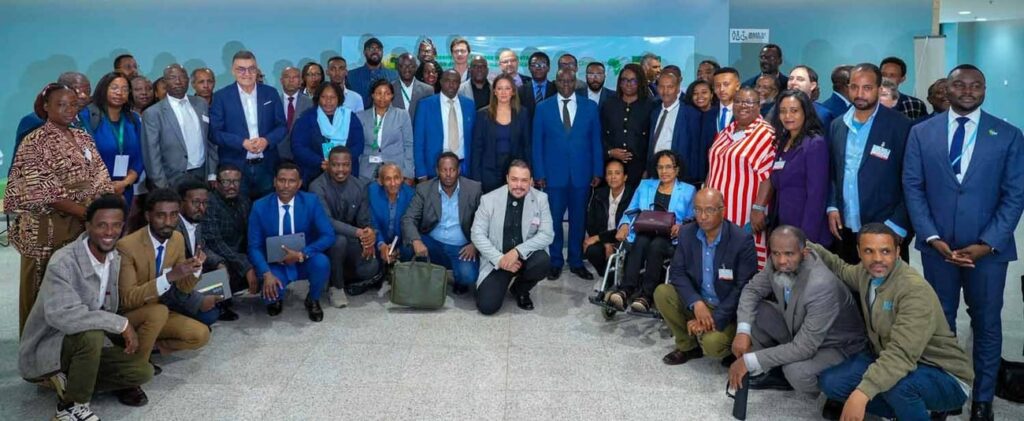
The three-day meeting, held from 5–7 September, brought together over 250 policymakers, negotiators, scientists, civil society representatives and youth leaders. Delegates reaffirmed CCDA’s role as Africa’s premier technical platform linking climate science, policy, and action. Outcomes from the gathering will feed into the Second Africa Climate Summit (ACS2).
Opening the conference, Mithika Mwenda, Executive Director of the Pan African Climate Justice Alliance, warned: “Africa cannot afford to be trapped in endless pledges while our people suffer. We need urgent action, with adaptation and resilience placed at the centre of global climate action. Justice means financing Africa’s solutions, not charity handouts.”
Anthony Nyong, Director of Climate Change and Green Growth at the African Development Bank, underscored Africa’s climate finance gap: “Despite contributing less than 4% of global emissions, our continent receives only 3% of international climate finance, even as nine of the ten most climate-vulnerable countries are here. This gap is unacceptable.”
He highlighted the Bank’s $4 billion Climate Action Window, set to be mobilised by 2025, to support fragile states in scaling climate-smart investments and resilience-building.
Other speakers emphasised the central role of science, climate intelligence, and early warning systems in reducing risks, while technical recommendations adopted at the conference called for:
- Closing Africa’s climate data gap through integrated monitoring, early warning, and indigenous knowledge.
- Addressing the $160 billion annual adaptation gap, operationalising a new Disaster Tracking System, and securing equitable access to the Loss and Damage Fund.
- Transforming climate finance by mobilising $2.5–$3 trillion annually by 2030, scaling green bonds, and building Africa’s green workforce.
- Placing universal energy access at the heart of a just transition, while developing green hydrogen and critical mineral value chains.
- Scaling nature-based solutions, recognising African ecosystems as global public goods.
- Strengthening governance, with climate embedded in national plans and AU-led institutional coherence.
- Holding the global community accountable, including delivery of $300 billion in annual climate finance by 2035 and fair global carbon taxation regimes.
Closing the event, Claver Gatete, United Nations Under-Secretary-General and Executive Secretary of the UN Economic Commission for Africa, said: “This conference was not an end in itself. It is a bridge linking evidence with ambition, technical depth with political momentum, and Africa’s aspirations with actions. Africa is not waiting to be acted upon. We are shaping our destiny and bringing solutions to the world.”