
Gov’t Urges Farmers to Adopt Livestock Insurance to Strengthen Climate Resilience
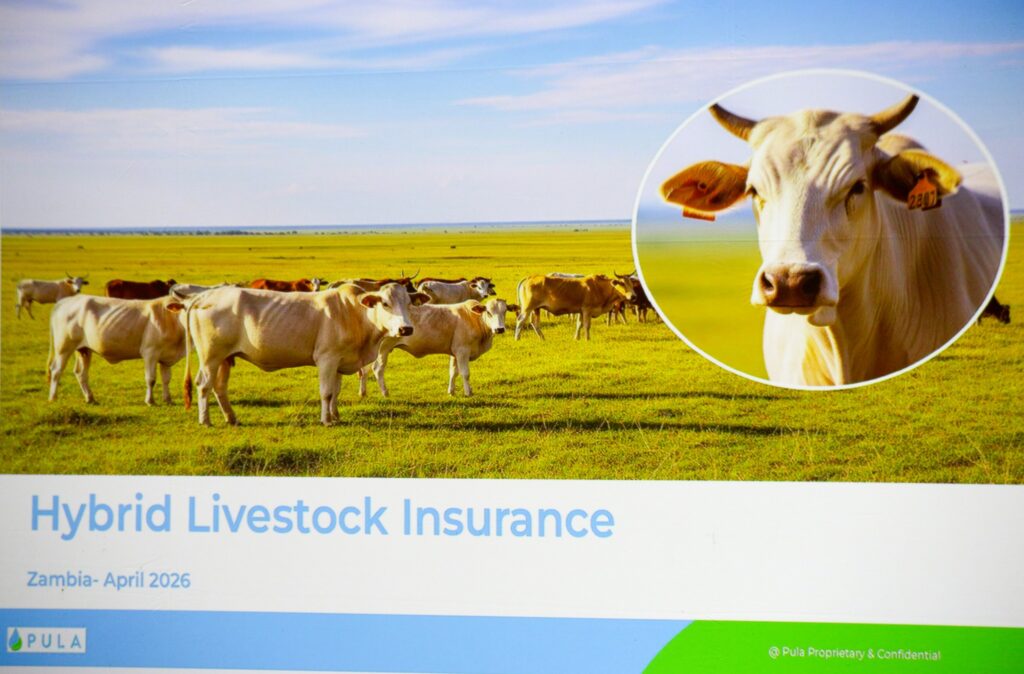
Government has called on livestock farmers across Zambia to embrace livestock insurance as a key mechanism for protecting their animals and livelihoods against the growing impacts of climate change.
Speaking during the official opening of the National-Level E-SLIP Livestock Insurance Sensitisation Workshop at M’Kango Golf View Hotel in Lusaka, Ministry of Fisheries and Livestock Permanent Secretary Dr Max Choombe said climate change continues to pose serious risks to the livestock sector, including drought, disease outbreaks, reduced pasture and water shortages.
He warned that these challenges are increasingly exposing farmers to significant losses, making risk protection tools such as insurance essential for long-term resilience.
“Climate change does not only affect crop production, but also affects livestock production. Reduced pasture, environmental degradation and disease outbreaks continue to expose our farmers to huge losses. Livestock insurance is therefore an important tool for de-risking the sector and safeguarding livelihoods,” Dr Choombe said.
He stressed that livestock insurance should not be viewed as a product reserved for commercial farmers only, but also as a necessary safeguard for small-scale livestock producers who remain highly vulnerable to climate-related shocks.
Dr Choombe noted that government, through the Enhanced Smallholder Livestock Investment Programme (E-SLIP), is working with cooperating partners to scale up awareness and uptake of livestock insurance as part of broader efforts to strengthen rural resilience.
He further urged Ministry staff and stakeholders to intensify community sensitisation, saying farmers need to clearly understand how insurance works and the benefits it offers in protecting their productive assets.
“We want our farmers to appreciate that insurance is not meant to exploit them, but to protect their productive assets and improve resilience,” he said.
The Permanent Secretary also emphasised the importance of transparency, efficiency and inclusiveness in programme implementation, noting that frontline officers play a critical role in building trust among farming communities.
Speaking at the same event, World Food Programme (WFP) Country Representative Ms Cissy Kabasuuga, represented by Programme Policy Officer Emmanuel Kilio, reaffirmed WFP’s commitment to supporting government efforts to strengthen food security and resilience among vulnerable households.
She said livestock is central to rural livelihoods and that protecting these assets through insurance helps reduce vulnerability to climate shocks such as droughts, floods and disease outbreaks.
Ms Kabasuuga added that the introduction of livestock insurance under E-SLIP represents a major step towards inclusive risk financing solutions for smallholder farmers, enabling them to recover more quickly from shocks while investing more confidently in production.
She also commended government leadership and cooperation among stakeholders, saying coordinated efforts will be key to increasing awareness and ensuring wider uptake of livestock insurance in targeted districts.
Central Province Fisheries and Livestock Coordinator Dr Emmanuel Chileshe, speaking on behalf of participants, thanked government and cooperating partners including WFP and IFAD for organising the sensitisation workshop.
He pledged that officers will intensify outreach activities to ensure farmers at grassroots level understand and adopt livestock insurance.
The workshop brought together officials from 25 priority districts across five provinces, aiming to strengthen coordination and improve implementation of livestock insurance under the E-SLIP programme.