FAWEZA Welcomes Law Enacting Free Education as a Right in Zambia
The Forum for African Women Educationalists of Zambia (FAWEZA) has welcomed Parliament’s enactment of amendments to the Education Act of 2011, which now makes education a legal right from Early Childhood Development and Education (ECDE) through to secondary school in public institutions.
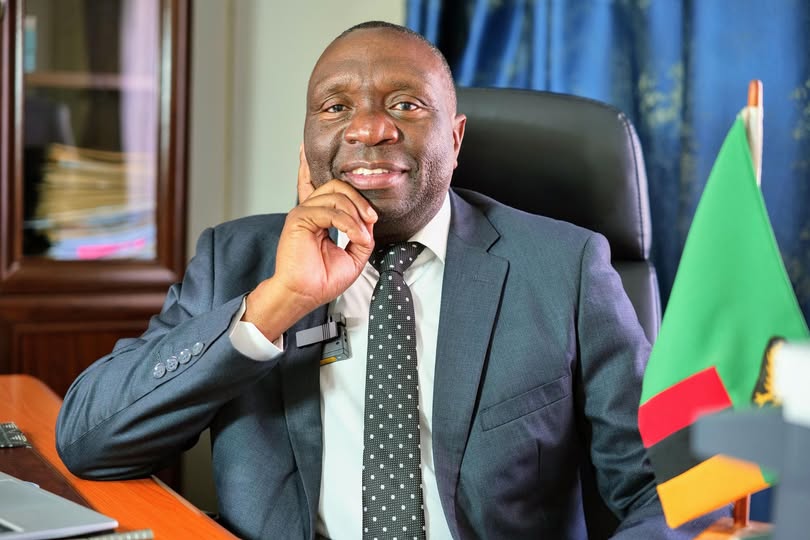
In a statement, FAWEZA Chief Executive Officer Costern Kanchele described the development as a historic and progressive step towards promoting equitable and inclusive access to education, particularly for girls and vulnerable learners.
Mr Kanchele said the move demonstrates Government’s commitment to transforming the education sector and ensuring that no child is denied access to education because of poverty or social barriers.
He noted that formalising the Free Education Policy into law strengthens Government’s commitment to delivering quality, inclusive, and equitable education while providing hope to thousands of vulnerable learners, including girls, children from poor households, and learners with disabilities.
According to FAWEZA, Zambia has recorded increased school enrolment and retention since the introduction of free education in 2022, particularly among girls who were previously excluded due to financial constraints.
Mr Kanchele stated that legalising the policy would help guarantee sustainability, consistency, and accountability in the implementation of free education across the country.
He further said the law is expected to reduce school dropout rates and help address social challenges affecting vulnerable children, including child marriages, teenage pregnancies, child labour, and poverty-related barriers.
FAWEZA stressed that free education should go beyond classroom access and also address challenges such as inadequate classroom space, limited learning materials, poor sanitation facilities, long distances to schools, menstrual hygiene barriers, and economic hardships affecting learners.
The organisation reaffirmed its commitment to promoting gender equality in education, describing education as one of the most effective tools for breaking cycles of poverty and inequality among girls and women.
Mr Kanchele also noted that despite progress made by Government, there remains a need for complementary support systems to ensure learners stay in school and succeed academically.
Through partnerships with FAWE Africa, Katla Carbon, and the Mastercard Foundation, FAWEZA pledged to support more than 135,000 learners by 2030 through bursaries, psychosocial support, STEM education programmes, mentorship, and teacher capacity building.
The organisation said the enactment of the Free Education Policy into law aligns with international commitments recognising education as a fundamental human right, including the United Nations Sustainable Development Goals on quality education, gender equality, poverty reduction, and reduced inequalities.
FAWEZA also called on cooperating partners, civil society organisations, parents, communities, and the private sector to support the successful implementation of the law and safeguard every child’s right to education in Zambia.