
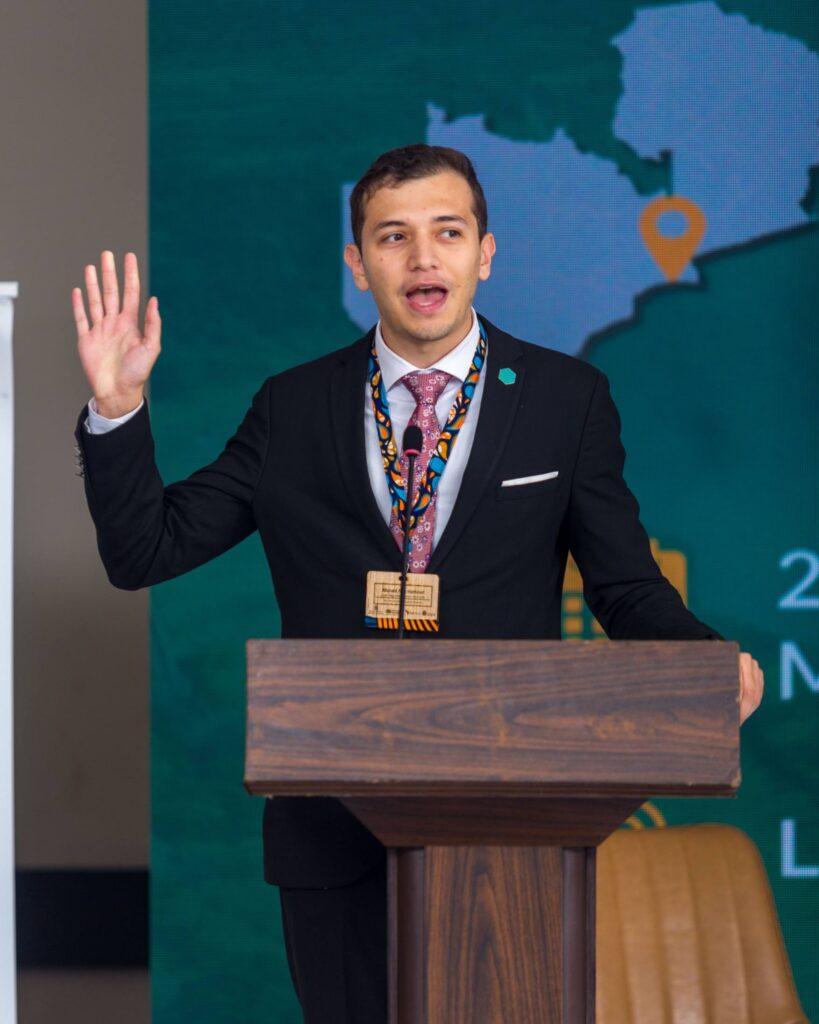
MGEE Joins 2026 Lusaka Climate Finance Week to Advance Zambia’s Green Growth Goals
The Ministry of Green Economy and Environment (MGEE) participated in the 2026 Lusaka Climate Finance Week this week, alongside the Ministry of Finance and National Planning, the UK Foreign, Commonwealth and Development Office (FCDO), Financial Sector Deepening (FSD) Africa, and the Global Green Growth Institute (GGGI).
The event brought together representatives from government, the private sector, financial institutions, and carbon project developers to discuss the role of the newly established Zambian Climate Finance Unit, climate financing tools and mechanisms, and Zambia’s participation in carbon markets.
The week also provided a platform to launch the Climate Finance Unit, aimed at coordinating climate finance efforts to support the nation’s low carbon development strategy.
Zambia’s climate finance needs to implement its Nationally Determined Contribution (NDC) are estimated at US$17.2 billion for 2023 to 2030. In line with this, the government has pursued initiatives including the National Green Growth Strategy and the Green Economy and Climate Change Act of 2024.
Last year, Zambia submitted its updated NDC 3.0 under the Paris Agreement, signalling its commitment to reducing greenhouse gas emissions and addressing climate change.
Climate finance from both national and international, public and private sources is critical for Zambia to meet its climate goals, enhance economic resilience, and implement mitigation and adaptation projects.
Mr Ranford Simumbwe, Acting Permanent Secretary at MGEE, emphasised the importance of coordinated action “The credibility of Zambia’s climate efforts depends not on policy statements alone but on strengthened systems, coordinated action, and measurable progress. Mobilising financial resources at scale is essential to implement our ambitious climate action.”
Discussions highlighted a variety of financial tools including green bonds, debt for nature swaps, blended finance structures, and carbon markets, to mobilise investment and reduce risks for private sector participation. By trading high quality carbon credits under cooperative approaches such as Article 6 of the Paris Agreement, Zambia aims to fund large scale projects, accelerate decarbonisation, and attract private investment.
MGEE stressed that multi stakeholder collaboration is vital to overcome challenges in accessing and using climate finance effectively. The Ministry is committed to strengthening partnerships with the Ministry of Finance and National Planning and fostering dialogue between public and private sectors to drive Zambia’s green growth agenda.
The initiative also focused on building stakeholder capacity in climate financing and highlighted the need for coordinated resource mobilisation to achieve a climate resilient, green economy.